Samburu: The Kenya Safari Most First-Timers Never Hear About
A Samburu Kenya safari takes you to the country’s rust-red northern frontier — a quieter, hotter, strikingly different landscape along the Ewaso Ng’iro river, and home to the “Special Five” dry-country species you’ll see almost nowhere else. Far fewer vehicles, a genuinely unhurried rhythm, and a truer sense of Kenya’s diversity make it worth adding to a first itinerary — usually as the opening leg of a longer route south to the Rift Valley lakes and the Maasai Mara.
Curious about the north? Plan Your Journey and I’ll build Samburu into your route.
When I traveled through Kenya in June 2022, the journey north felt like crossing an invisible border. We left behind the lush green highlands most people picture when they think of East Africa; the air grew noticeably warmer and the soil shifted to a deep, striking rust red. This was my introduction to Samburu — and to the kind of Kenya safari most first-timers never hear about.
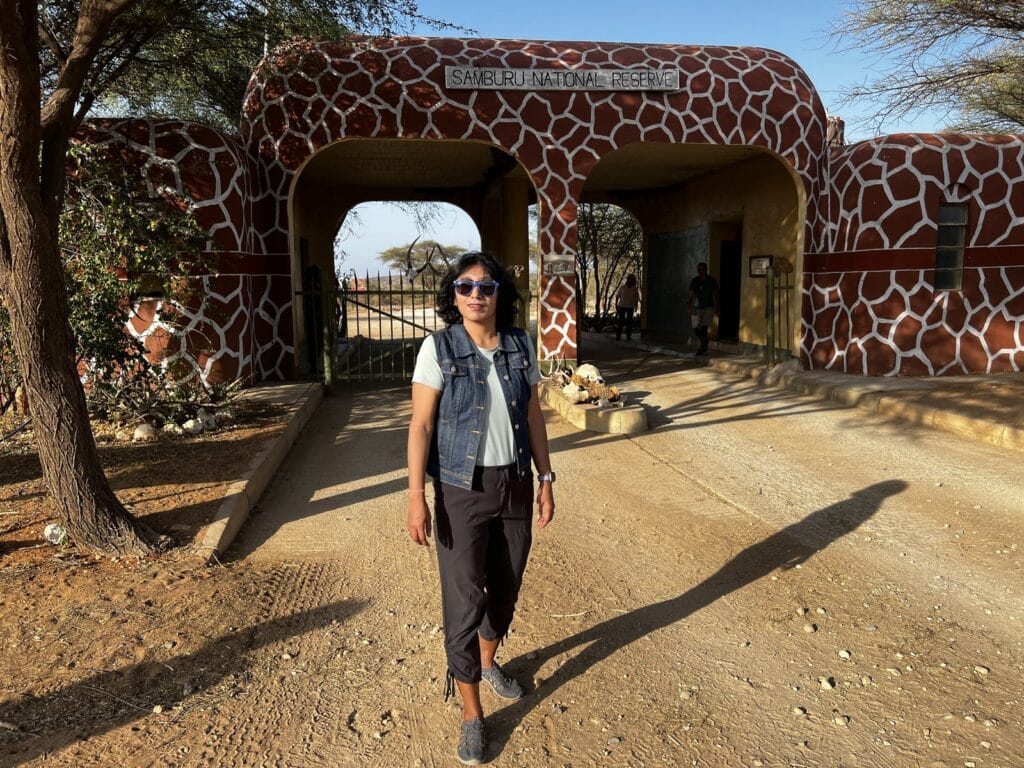
Arriving at Samburu National Reserve, June 2022.
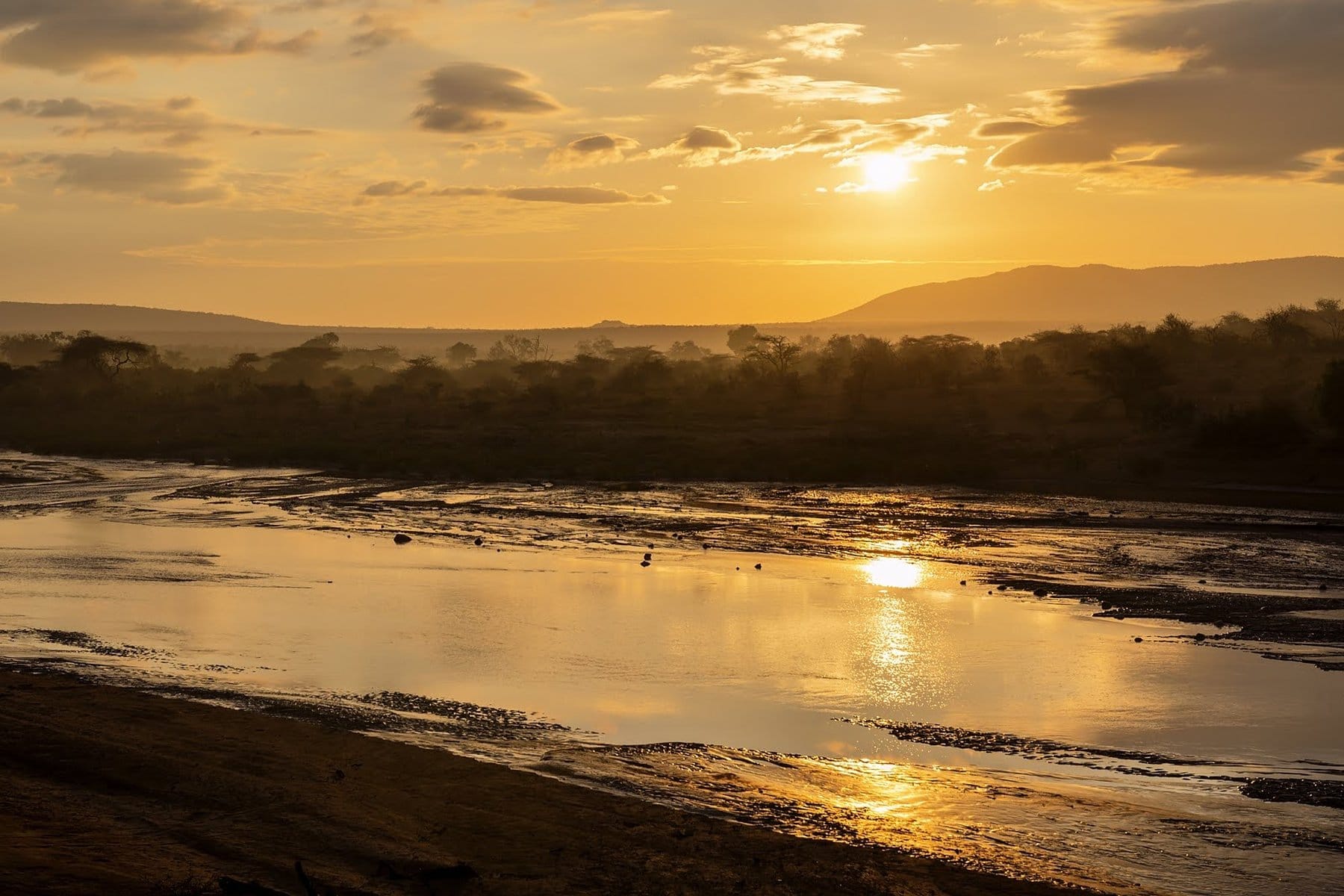
The landscape here is anchored by the Ewaso Ng’iro river — a wide, shallow waterway lined with thick groves of doum palms, their branching trunks forming a dense green canopy against the arid scrub. It’s a quiet, striking place, completely different from the rolling plains of the south. Most people planning a first safari focus entirely on the famous southern parks, understandably — yet Samburu rewards the traveler willing to go one step further. If you’re mapping the bigger picture, our guide to how to plan a Kenya safari shows where the north fits.
What is Samburu’s “Special Five”?
Because Samburu is an arid ecosystem, the animals that thrive here have adapted in fascinating ways — several you won’t find in the Maasai Mara at all. They’re known as the “Special Five”:
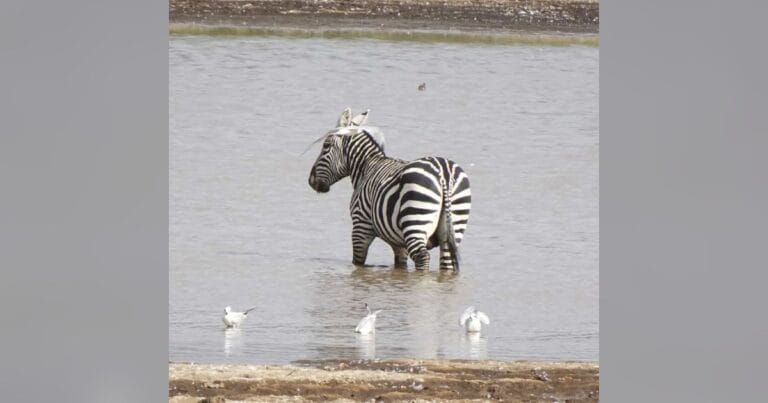
Grevy’s zebra – taller than the plains zebra, with much narrower, tightly packed stripes and large rounded ears that shed heat. Genuinely rare, and a privilege to see in the wild.
Reticulated giraffe – sharp-edged, deep liver-red blocks separated by thin, bright-white lines; against the pale thorn bushes they look almost painted.
The reticulated giraffe’s sharp-edged pattern is unmistakable once you know it.
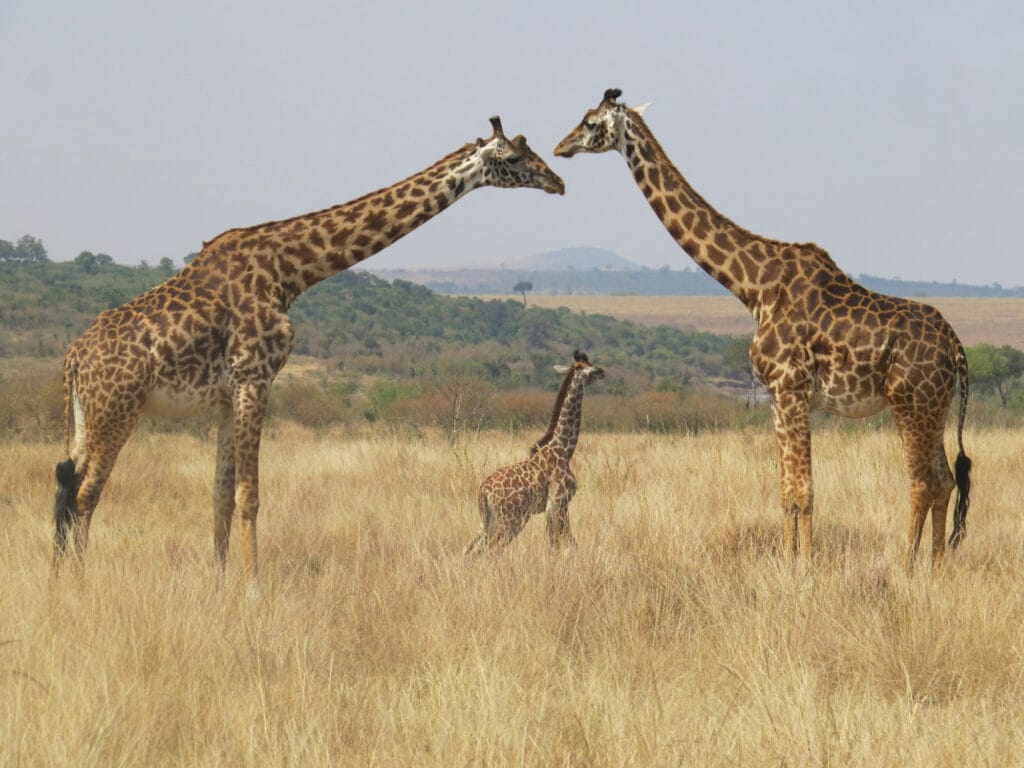
Beisa oryx – a heavily built antelope with long, straight horns pointing sharply backward and bold black-and-white facial markings, adapted to survive on very little water.
Gerenuk – the “giraffe-gazelle,” with an unusually long neck; it stands upright on its hind legs to browse the acacia leaves other antelope can’t reach.
Somali ostrich – the males carry blue-grey necks and heavily scaled legs year-round, where the common ostrich of the southern parks shows pink.
The dry scrub doesn’t support the sweeping wildebeest herds of the south; instead it supports specialists that have mastered a harsh, beautiful terrain. It’s a lesson in how deeply the land shapes the life that walks upon it.
Why does Samburu suit a first safari?
If you’re planning a first trip to Africa, the sheer scale can feel overwhelming, and many travelers worry about being rushed or stuck in a crowd of vehicles. Samburu is the antidote. The rhythm is unhurried — because it sits off the standard southern circuit, it sees far fewer visitors. I remember sitting by the riverbank in near silence, with no other engine within earshot; for a first-timer, that quiet is what lets you actually absorb where you are. It also provides vital contrast: someone who sees only the Mara sees a beautiful but singular Kenya, while pairing the southern grasslands with the red-earth north gives you a much truer sense of the country’s diversity — turning a simple vacation into a genuine education.
When is the best time to visit Samburu?
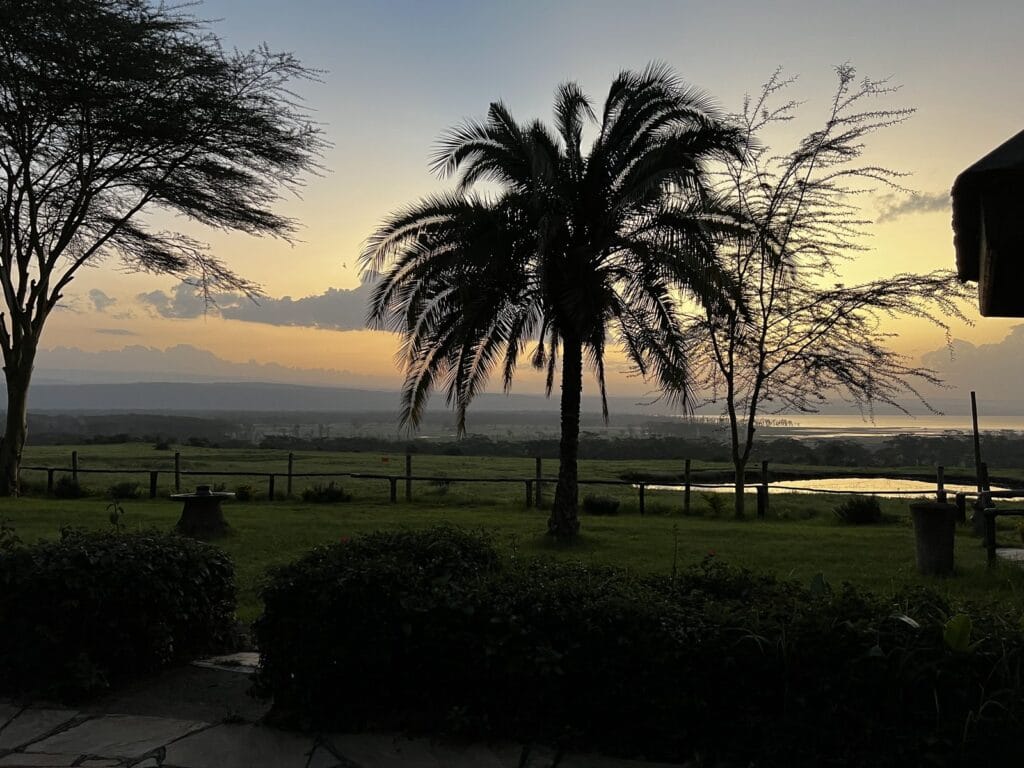
Samburu’s character changes with the weather. In the dry months the bush slowly dries out and life concentrates heavily along the Ewaso Ng’iro, so wildlife-watching is wonderfully straightforward — the animals must come to the water. Be honest about the climate, though: the north is hot, and the midday sun is intense, which is exactly why days are thoughtfully paced — out early when the air is crisp, back to a shaded camp for a long lunch and rest through the peak heat, then out again as the shadows lengthen and the temperature drops. The dry heat is entirely manageable when you respect the rhythm of the day. For how the seasons compare across Kenya, see when to go on safari in East Africa.
The day ends early on safari — and starts early too.
How does Samburu fit into a Kenya itinerary?
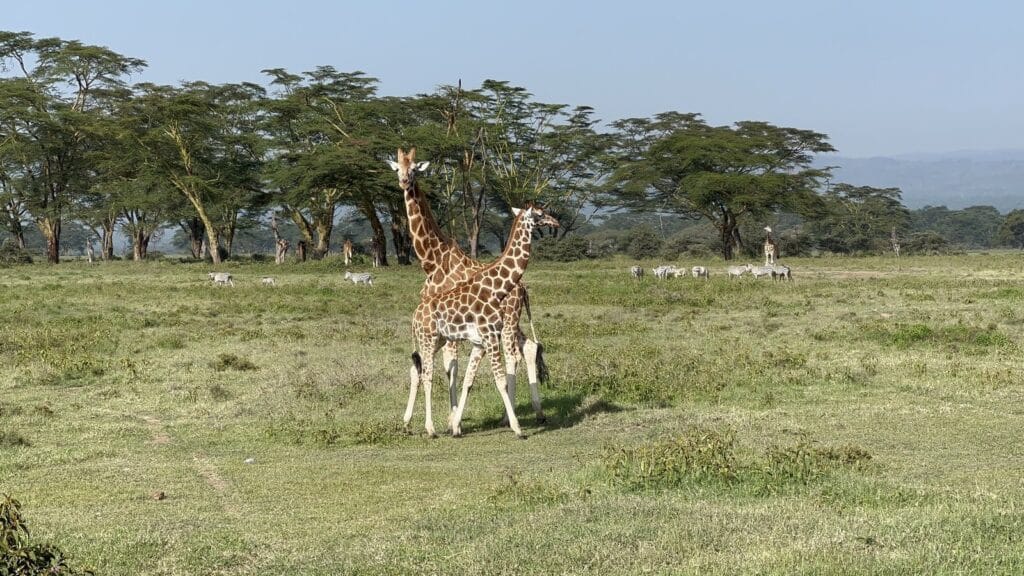
Samburu isn’t a standalone destination; it’s one piece of a larger puzzle. It pairs naturally with the alkaline waters of Lake Nakuru and the iconic savannas of the Maasai Mara — the route we built as our Nine-Day Explorer. Moving from the dry north, down into the Great Rift Valley, and finally out onto the endless southern plains creates a beautifully balanced journey. Many first itineraries skip the north entirely in favor of a shorter, simpler loop; choosing to include Samburu is a deliberate decision — a bit more travel time to reach the upper half of the country, for the reward of a deeper, quieter, more complete experience of East Africa.
Lake Nakuru’s fever-tree woodland, a day’s drive south of Samburu — the contrast is the point.
If a safari is on your list, I’d be glad to talk it through with you — from someone who has actually been there. Plan Your Journey.
How much does a Samburu safari cost?
There’s no single number: it depends on how many nights, your lodge tier, whether you travel by private 4×4, group size, and season. Samburu is almost always one leg of a longer Kenya route rather than a trip on its own, so it’s priced as part of the whole. See our honest guide to what a Kenya safari costs.
How many days do you need in Samburu?
Two nights is usual — a full day in the reserve, morning and afternoon, without the drive up eating your whole trip. It works best as the opening leg of a longer route continuing south to the Rift Valley lakes and the Mara.
Where do you stay in Samburu?
In comfortable riverside lodges and tented camps — a proper bed, hot water, full board, and the Ewaso Ng’iro close by. We hold each property honestly to its real tier and tell you which sit inside the reserve and which just outside.
Is Samburu a national reserve or a conservancy?
Samburu is a national reserve, which shapes your days: vehicles stay on the tracks, night drives aren’t permitted, and you share sightings with other cars. The private conservancies nearby allow off-road and night drives but cost considerably more — for a first trip, the reserve is often the smarter choice.
How far is Samburu from Nairobi?
About a seven-hour drive north, roughly 350 km across the equator and through the highlands — a full, scenic travel day. A light-aircraft flight from Nairobi’s Wilson Airport is also possible if you’d rather trade the drive for about an hour in the air.
Is Samburu worth it for a first safari?
For most first-timers with the days to spare, yes: you get species you’ll see almost nowhere else and a far quieter reserve, alongside the classic southern parks. If your trip is very short, the Mara comes first; with nine or ten days, Samburu is what makes it memorable.
When is the best time to visit Samburu?
The dry months — roughly late June to October and December to March — concentrate wildlife along the river and make for the most reliable viewing. It’s hot and dry most of the year; the long rains around April and May green things up and thin the crowds further. More in when to go on safari.