How to Plan a Kenya Safari: A First-Timer’s Complete Guide
Planning a first-time Kenya safari comes down to four decisions — when to go, how many days, which parks, and who to travel with. Give yourself 8–10 days on the ground, focus on three regions at two to three nights each rather than rushing, choose the dry season (roughly July–October) for classic game viewing or the green season for lush scenery and fewer crowds, and plan for a comfort-tier trip. Below, each decision in plain English, with a deeper guide for every step.
Prefer to talk it through? Plan Your Journey and I’ll shape a route around you.
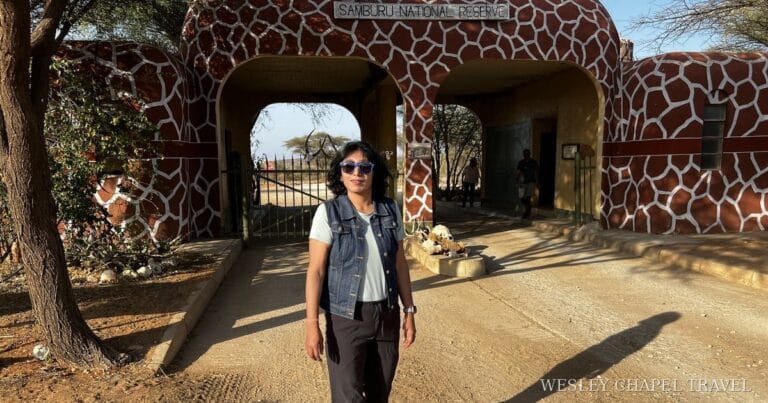
If you’ve spent years dreaming of the African savanna — dust motes in the golden evening light, elephants moving through the acacias — but the practical questions have started to feel overwhelming, this guide is your starting point. I founded Wesley Chapel Travel here in Wesley Chapel, Florida to take that confusion off your plate, and I traveled Kenya myself in June 2022, from the red plains of Samburu to the grasslands of the Maasai Mara. Here’s how to plan the trip with confidence.
Why Kenya for a First Safari
Kenya packs snow-capped peaks, golden savanna, Rift Valley lakes, and ancient riverine forest into surprisingly manageable distances, on top of a mature, hospitable travel infrastructure — English is widely spoken, the driver-guides are among the best-trained anywhere, and the park system is well run. For a debut trip it’s forgiving: the routes between reserves are well established, whether you travel by 4×4 or short bush flights. If you’re torn between Kenya and its neighbors, our honest Kenya-or-Tanzania comparison weighs it up.
When should you go?
Kenya sits on the Equator and delivers year-round, but the calendar splits into dry and green seasons. The dry months (roughly July–October) are the classic game-viewing window and cover the Mara’s Great Migration crossings; the green season (March–May and November) trades a little rain for lush scenery, newborn animals, and far fewer vehicles. There’s also a quieter sweet spot many first-timers miss — January and February, warm and mostly dry, with thinner crowds and clear Kilimanjaro mornings in Amboseli. Which window suits you depends on what you most want to see; the full season-by-season breakdown is in when to go on safari in East Africa.
How many days do you actually need?
This is where first-timers most often trip up — cramming too many parks into a week and spending the trip packing and driving instead of watching wildlife. For a first Kenya safari, 8–10 days on the ground is the sweet spot: enough to settle into three distinct ecosystems — say a northern reserve, a Rift Valley lake, and the southern savanna — at two to three nights each. Longer stays in fewer places beat a rushed checklist every time; you get unhurried morning and afternoon drives with real downtime in between, rather than a bag permanently half-packed. From the US, add roughly two days for international transit and time-zone adjustment. (For packing light over that stretch, see what to pack for a safari and what to wear.)
What is a safari day actually like?
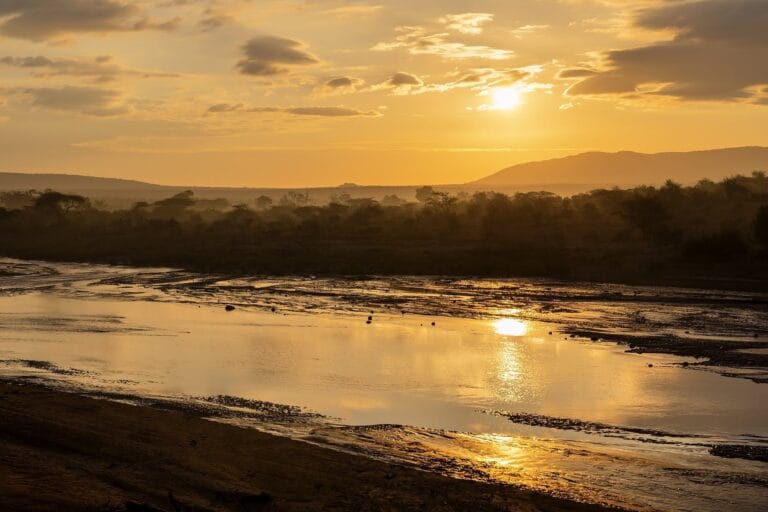
Calmer than most people picture. The day follows the animals: an early game drive in the cool hours after dawn, back to the lodge for a proper breakfast, an unstructured middle of the day to rest while the wildlife does the same, then a second drive as it cools — often pausing for a “sundowner” at sunset. Evenings wind down over dinner and a fire under the stars. For the full hour-by-hour picture, read what to expect on your first Kenya safari.
Is a Kenya safari safe, especially for older travelers?
When it’s well planned, yes — a comfort-tier safari is one of the more seamlessly managed trips you can take, and it isn’t an endurance test. You spend your time in a comfortable 4×4 with padded seating and a pop-up roof, guided by professionals trained over years, with staff escorts after dark and emergency medical-evacuation cover arranged as standard. We cover medical care, physical demands, and peace of mind in depth in is a safari safe for older travelers.
What’s included, and what does “comfort tier” mean?
Wesley Chapel Travel works only in the comfort/mid-range tier — not budget, and not the top-end premium bracket: genuine quality and high-touch service, without the glitz. In practice that means a private 4×4 and dedicated driver-guide (you never share a vehicle with strangers, so you decide when to stop and how long to watch a lion pride), hand-picked lodges and tented camps with en-suite bathrooms, hot water and real beds, and full-board dining with park fees included. For an honest look at how the tiers really compare — and what you trade at each — see what a mid-range Kenya safari includes.
Which parks should you choose?
Four regions anchor most first itineraries. You won’t fit them all into one trip, and shouldn’t try — pick three and give each real time.
Region | Why first-timers go | Pace note |
|---|---|---|
Maasai Mara | Open-savanna game density and the Great Migration (Jul–Oct) — the iconic Kenya safari | Anchor the trip here; 2–3 nights |
Amboseli | Big elephant herds beneath Mount Kilimanjaro; easy, open viewing | Gentle and photogenic; 1–2 nights |
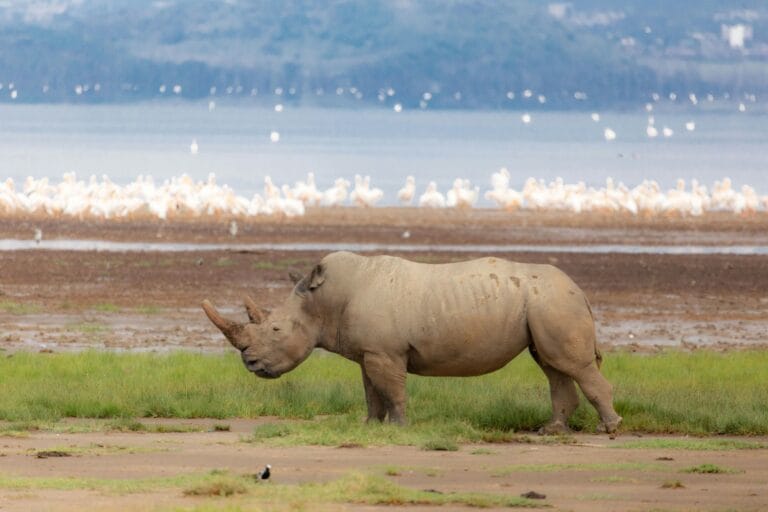
Lake Nakuru | Rift Valley rhino and Rothschild’s giraffe; short, low-fatigue drives | A great first-timer warm-up; 1 night |
Samburu | The red-earth north, quieter, home to the “Special Five” most first-timers never hear about | For a longer trip; where I spent first-hand time |
More on the north in our Samburu guide. Our routes show a few ways to combine these regions — the Six-Day Classic, the Nine-Day Signature, and the Samburu-led Nine-Day Explorer.
What about dietary needs?
If you’re vegetarian, vegan, gluten-free, or managing allergies, East African lodges are more accommodating than you’d expect — chefs prepare fresh multi-course meals daily and tailor them easily when notified in advance. As a lifelong vegetarian myself, this is something I plan carefully: we document every dietary need during planning so each lodge along your route is prepared before you arrive. More on eating well in the bush in our mixed-diet dining guide.
What does a Kenya safari cost?
A safari is an all-inclusive, several-thousand-per-person investment rather than a per-night hotel rate — it bundles private guiding, lodges, full board, park and conservation fees, and transfers into one number. Exact ranges move with season, region, and logistics; we break down what actually drives the figure in what a Kenya safari costs.
Why work with an advisor instead of booking online?
Planning a safari online means wading through conflicting reviews, hidden transfer fees, and call centers eight time zones away. Working with a US-based advisor who has traveled Kenya turns that into one calm conversation. You get in-timezone support (no waiting overnight for a foreign call center), first-hand route and pacing advice, seamless logistics from your Tampa (TPA) departure to your Nairobi meet-and-greet, and a booking handled securely through my host agency rather than a wire to someone you found online. You’re also not left wondering who’s actually running your safari — I’ve vetted the team on the ground myself, so you’re not trusting a name from a search result. For most travelers the cost works out much the same as booking direct; the difference is having a real person in your corner before, during, and after the trip. What I won’t do is overpromise: I’ll tell you honestly what a given season, budget, and pace will and won’t deliver — which is also how you sidestep the mistakes that trip up first-timers.
Begin your unhurried journey
A Kenya safari is a life-affirming trip, and it should feel that way from the first email. When you’re ready to explore ideas for a route tailored to you, Plan Your Journey with Wesley Chapel Travel — or browse our free safari guides first. Prefer to ask a quick question? Message me on WhatsApp.
How to plan a Kenya safari — FAQ
Do I need a visa for Kenya?
Kenya requires travelers to arrange electronic entry authorization before arrival. I coordinate the timing and details as part of planning so it’s done well ahead.
Can I combine a Kenya safari with a beach?
Yes — many travelers add a few unhurried days on the coast to decompress after the bush. It’s a natural pairing and easy to build in.
Can a first-timer handle the flights from the US?
Yes. It’s long-haul, usually one or two connections from Tampa, and I handle the routing and airport transfers so the journey is seamless end to end.