First-Timer Safari Mistakes (and the Myths Behind Them)
The Kenya safari mistakes to avoid on a first trip nearly all come from myths the internet repeats — that a pricier safari is automatically better, that you must tick off all of the Big Five, that the Maasai Mara is the only place worth going, that more parks means more value, and that a safari means roughing it. None are true. A well-planned, comfortable, mid-range trip in the right parks at the right time, at an unhurried pace, beats all of them.
Skip the myths from the start — Plan Your Journey and I’ll build a first safari that fits.
After planning a lot of first safaris — and taking my own family to Kenya in 2022 — I’ve noticed the same handful of myths steering first-timers wrong before they ever leave home. None of them are anyone’s fault; they’re just what the internet repeats. So let me clear up the ones that cost people money, comfort, or a better trip. If you’re just starting out, pair this with our complete guide to how to plan a Kenya safari.
Is a pricier safari always better?
No — past a certain point you’re paying for a label, not a better experience. The jump from a comfortable, well-located lodge to a top-tier one is often about exclusivity and design, not about seeing more wildlife. A thoughtfully planned mid-range trip in the right parks, at the right time, can deliver game viewing every bit as good as a far more expensive one. I plan honestly at the comfort tier for exactly this reason — see what a mid-range Kenya safari includes.
Do you have to see all of the Big Five?
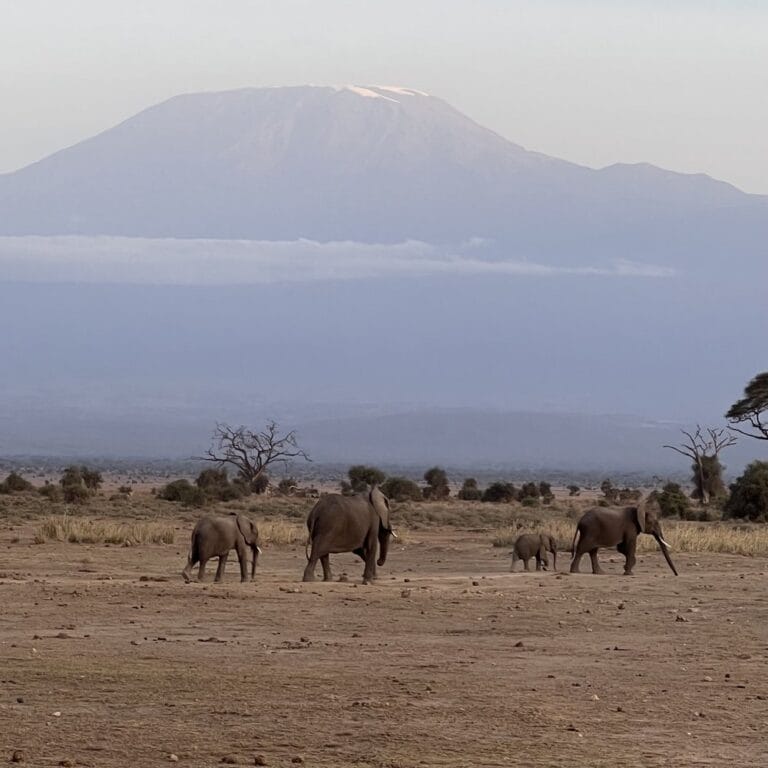
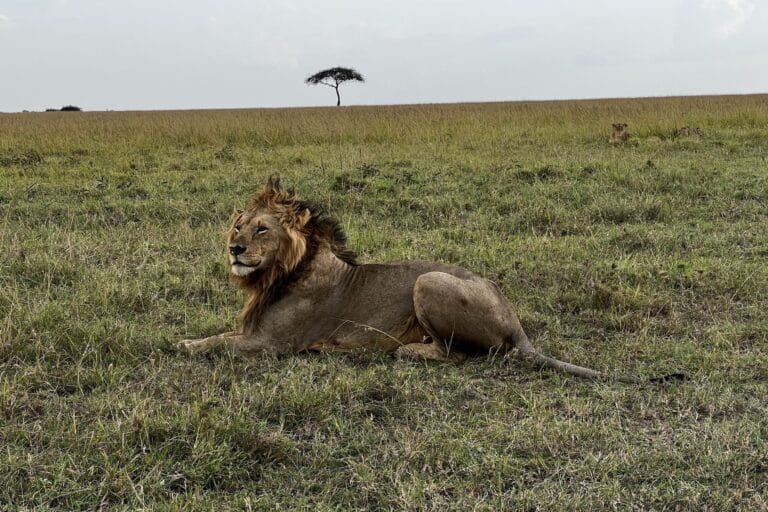
No. The Big Five — lion, leopard, elephant, buffalo, rhino — are a wonderful goal, not a checklist you’re owed. Lion, elephant, and buffalo are common in Kenya’s parks; leopard and especially rhino are less predictable, and anyone who guarantees them isn’t being straight with you. The travelers who enjoy safari most come for the whole living landscape — the light, the birds, a herd at a waterhole — rather than fixating on five boxes. You’ll very likely see most of them; hold the rest loosely. (More on this in what to expect on your first Kenya safari.)
Is the Maasai Mara the only place worth going?
No — the Mara is superb, but treating it as the whole of Kenya means missing what makes a trip memorable. Kenya’s north — Samburu — offers dry-country species you’ll see almost nowhere else and far fewer vehicles at a sighting, while the Rift Valley lakes add flamingos, hippos, and scenery that break up the plains. A first trip with more than one landscape simply feels richer. That’s the thinking behind our Nine-Day Explorer; there’s more in our Samburu guide.
Do more parks mean better value?
Usually the opposite. Every extra park adds hours in the vehicle and setup time you can’t spend watching wildlife, and Kenya’s distances are real. Two or three parks over six to nine days, done unhurriedly, beats five parks in a blur — you see more, not less, because you’re actually there rather than driving between places. Our Six-Day Classic is built around this restraint on purpose.
Does a safari mean roughing it — and is it right for older travelers?
A comfort-tier safari is genuinely comfortable, and it suits travelers in their 50s, 60s, and beyond very well. Tented camps have real beds and en-suite bathrooms, lodges have pools and good food, and a well-planned trip keeps drive times sensible with unhurried days. The pace is calmer than most city vacations. If safety and comfort at this stage of life are on your mind, I address it directly in is a safari safe for older travelers. The keys are honest lodge choices and an itinerary built around you — not endurance.
Can you just wing a first safari?
You can, but a first safari is the trip where winging it costs the most. The order of the parks, the drive times, which lodge fits your pace, dietary needs, entry paperwork, and a single point of contact when a flight shifts — get these wrong and no amount of wildlife fully makes up for it. This is the unglamorous work I do one-to-one, so your trip runs smoothly and you can just look out the window.
Is any time of year basically the same?
No — season changes almost everything: game viewing, crowds, cost, and whether the Great Migration is in the Mara. The dry months and the green months are genuinely different trips, and the “right” one depends on you. I break it down in when to go on safari in East Africa so the choice is yours to make with clear eyes.
A quick first-timer checklist
Before you book anything, avoid these common slips: don’t over-pack the itinerary, don’t chase the cheapest quote without asking what’s in it, don’t forget binoculars, don’t skip the travel-clinic visit, and don’t leave entry paperwork to the last minute. Do decide your season first, dress right (here’s what to wear on safari), plan for an unhurried pace, and get one honest quote with the per-person cost and party total spelled out.
Plan a first safari that skips the mistakes
Get the season, the parks, and the pace right the first time — with one honest quote and a real person to call. Plan Your Journey with Wesley Chapel Travel, or message me on WhatsApp with a quick question.
First-timer safari FAQ
What is the biggest mistake first-time safari-goers make?
Over-packing the itinerary. Cramming in too many parks means more hours driving and less time watching wildlife. Two or three parks at an unhurried pace almost always beats five in a rush.
Do you have to see the Big Five on a safari?
No. The Big Five are a goal, not a guarantee — lion, elephant, and buffalo are common in Kenya, while leopard and rhino are less predictable. Anyone promising all five isn’t being honest.
Is a more expensive safari better?
Not necessarily. Beyond a point you’re paying for exclusivity and design, not better wildlife. A well-planned comfort-tier trip in the right parks and season can deliver game viewing just as good for far less.
Is a safari suitable for older or first-time travelers?
Yes. A comfort-tier Kenya safari is gentle-paced and very manageable, with real beds, en-suite bathrooms, good food, and sensible drive times. The key is an itinerary planned around your pace.
Do you really need a travel advisor for a first safari?
You don’t have to, but a first safari is where a good advisor earns their keep — getting the park order, pacing, lodges, dietary needs, and paperwork right, and being the one person to call if something shifts.