When Is the Best Time to Go on Safari in East Africa?
The best time to go on safari in East Africa — and Kenya especially — is the dry season, roughly June to October, when wildlife gathers at shrinking water sources and the Great Migration reaches the Maasai Mara (river crossings usually peak in August and September). But there’s no single “right” time. The short dry season (January–February) is quieter, with newborn animals and lower prices; the green season (March–May and November) trades a little rain for lush scenery, rich birdlife, far fewer vehicles, and the best value of the year. The right month comes down to what you most want to see.
Wondering which window suits you? Plan Your Journey and I’ll help you time it — or ask a quick question on WhatsApp.
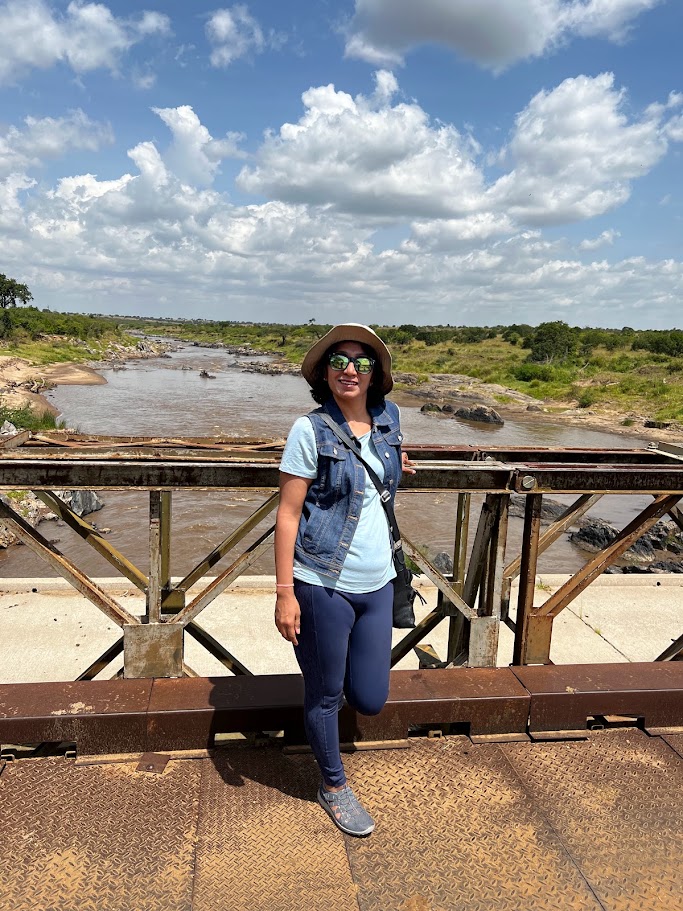
When I traveled Kenya in June 2022, the long rains had just cleared — the plains were still faintly green, the light was soft, and the peak-season crowds hadn’t yet arrived. It turned out to be one of the best-value windows of the year, though I didn’t plan it that way at the time. Timing shapes a safari more than almost any other decision, so here’s an honest look at each season, month by month. (Mapping the whole trip? Start with how to plan a Kenya safari.)
The dry season (June–October): classic game viewing and the Migration
This is the postcard safari. Vegetation thins, animals concentrate around rivers and waterholes, and wildlife becomes far easier to spot. The Great Migration is in the Maasai Mara through these months, with the dramatic river crossings typically peaking in August and September — though nature keeps its own schedule, and no honest operator promises an exact date. The trade-off: July through October is the busiest and priciest stretch, and the best camps book six to twelve months ahead. Two insider notes — June is excellent value (the rains have gone, the herds are arriving, prices haven’t yet peaked), and September is a sweet spot (the migration is in full swing but the August crowds have eased).
The short dry season (January–February): quiet, green, and calving
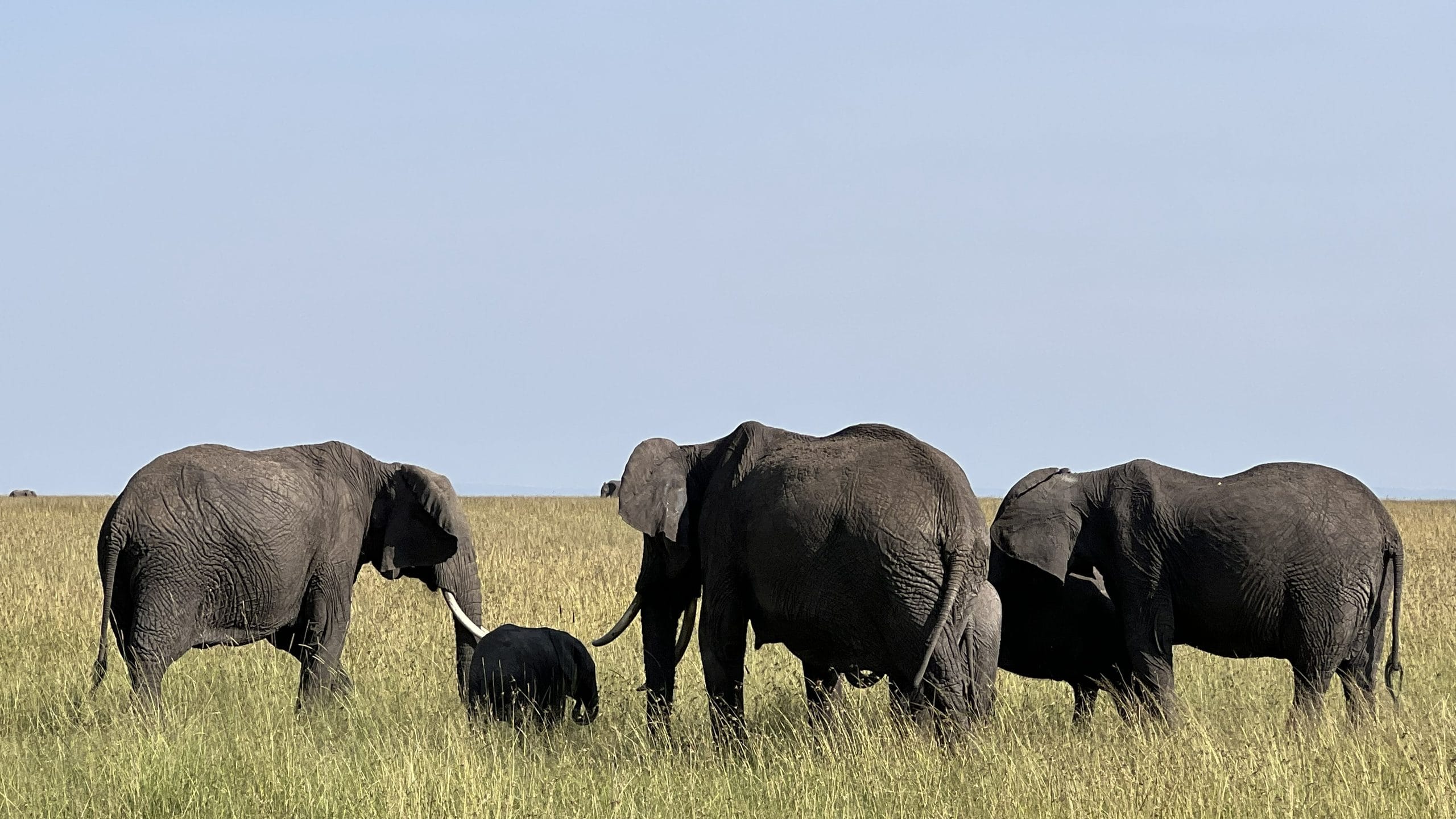
Between the rains sits a warm, dry window that many travelers overlook. The landscape is still green, predators are active, and it’s calving season — many herbivores give birth in the Mara and Amboseli in January and February, which means baby animals and the big cats that follow them. You’ll find fewer vehicles than peak season and gentler prices. A lovely time for a first safari.
The green season (March–May and November): lush, quiet, best value
Often dismissed, quietly wonderful. The long rains (roughly March–May, heaviest in April) and the short rains (November) turn the savanna lush, fill the skies with birdlife, and empty the parks of crowds. Prices are the lowest of the year — often 30–50% below peak. The honest trade-off: roads can get muddy, and a few remote camps close in April–May. But rain tends to come in short bursts rather than all-day downpours, and for photographers the green landscapes and moody light are hard to beat.
A month-by-month snapshot
Month | Season | Best for |
|---|---|---|
Jan–Feb | Short dry | Calving, active predators, fewer crowds, green scenery, lower prices |
Mar | Transition | Still good game viewing; humidity rising |
Apr–May | Long rains | Lush and birdy; the lowest prices of the year; muddy roads |
Jun | Early dry | Great value — rains gone, migration arriving, prices not yet peaked |
Jul–Oct | Peak dry | Best game viewing; the Migration in the Mara (crossings Aug–Sep); busiest and priciest |
Nov–Dec | Short rains | Refreshed landscape, good value, wildlife still easy to spot |
It also depends where in Kenya you go
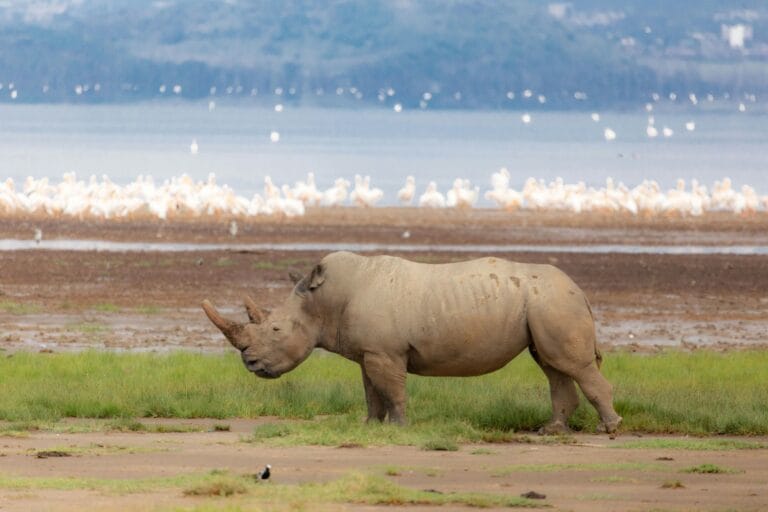
Kenya’s parks each have their own rhythm. The Maasai Mara holds the Migration July–October and is rewarding year-round. Amboseli and Lake Nakuru offer reliable, resident wildlife in every season. The arid north — Samburu — is at its best in the dry months (June–October and January–March), when animals gather along the Ewaso Ng’iro River. And if you’re pairing safari with the coast, Kenya’s own beaches at Diani or Watamu are hot and inviting year-round, with January–February and July–October the easiest to combine.
And the neighbors, briefly
If you’re weighing the wider region: Tanzania’s seasons broadly mirror Kenya’s (the Migration simply spends the rest of the year in the Serengeti — more in our Kenya or Tanzania comparison); Uganda’s gorilla trekking is possible year-round but easiest in the drier months; and the Indian Ocean coast is warm throughout, with the long rains the main window to avoid. Kenya is our specialty, so it’s where we plan in the most detail — but we’ll always give you the honest picture of the region.
So when should you go?
The right answer is personal. It depends on what you want to witness, how you weigh crowds against rain and cost, and which corners of Kenya are calling you. That’s the conversation I love having — and it’s why I plan each journey around the traveler, not a fixed calendar. Remember, too, that season drives price as much as experience, so it’s worth reading alongside what a Kenya safari costs and what to pack for the big morning-to-afternoon temperature swings.
Ready to find your moment? Plan Your Journey with Wesley Chapel Travel, or start a WhatsApp chat.
Best time for a safari — FAQ
When is the cheapest time for a Kenya safari?
The long-rains months of April and May are the lowest, often 30–50% below peak; November is also good value. You trade some rain for lush scenery and far fewer crowds.
When is the Great Migration in the Maasai Mara?
Roughly July through October, with the famous river crossings usually peaking in August and September — though timing shifts year to year with the rains.
Can you see the Big Five year-round in Kenya?
Yes — lion, leopard, elephant, buffalo, and rhino are resident year-round in the Mara, Amboseli, and the Laikipia/Nakuru areas. The dry season just makes them easier to spot.
Is the green season really worth it?
For many travelers, yes — lush landscapes, newborn animals, superb birdlife, tiny crowds, and the best prices of the year. Just plan around the wettest weeks of April–May.
How far ahead should I book?
For migration season (July–October), six to twelve months ahead for the best camps; peak December–February, three to six months; green and shoulder season, one to three months is usually fine.