What to Expect on Your First Kenya Safari: An Honest Guide
Wondering what to expect on your first Kenya safari? It’s calmer and more comfortable than most people expect. You’ll follow a well-worn circuit — the Maasai Mara, Amboseli, the Rift Valley lakes, and sometimes Samburu in the north — with early-morning and late-afternoon game drives bracketing an unhurried middle of the day. You have a genuine chance at the Big Five, real downtime, comfortable lodges, and a pace built around you rather than a checklist. Here’s the honest picture.
Ready when you are — Plan Your Journey and I’ll shape the pace around you.
When I traveled through Kenya myself in 2022, the thing that stayed with me wasn’t any single sighting — it was how quickly the rhythm of the place takes over. If you want comfort as much as adventure, here’s an honest picture of what a first safari is really like, and a few things I wish someone had told me. If you’re at the very start, our complete guide to how to plan a Kenya safari covers the logistics; this is what the trip actually feels like.
Where will you actually go?
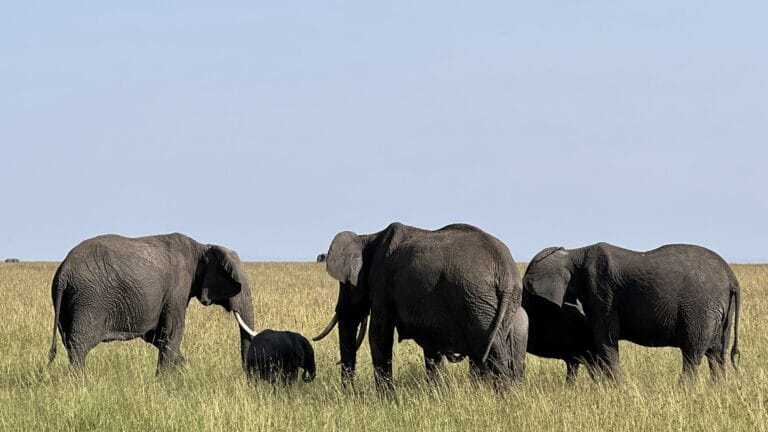
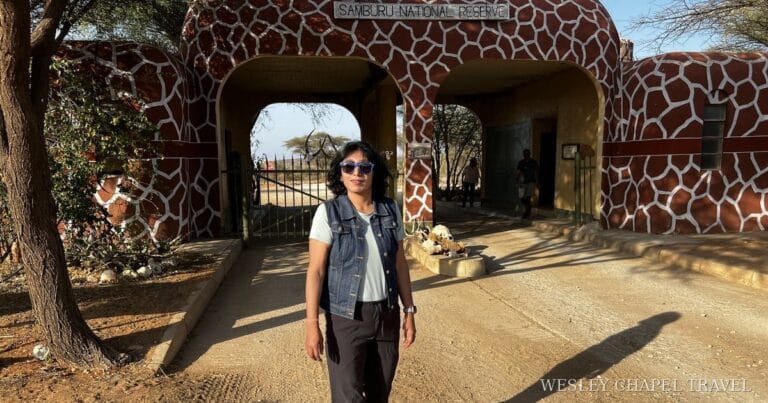
Most first Kenya safaris follow a well-worn circuit, for good reason. The Maasai Mara is the headliner — open grassland with some of the densest wildlife anywhere, and the stage for the Great Migration from roughly July to October. Amboseli offers large elephant herds and, on a clear morning, Mount Kilimanjaro rising across the border. The Rift Valley lakes, Nakuru and Naivasha, add flamingos, rhino, and a gentler pace. Further north, Samburu trades green highlands for rust-red country and dry-adapted wildlife most first-timers never hear about — more in our Samburu guide.
You don’t need to see all of it on one trip, and a focused route with fewer, longer stays almost always beats a rushed checklist. How to choose and combine these regions is exactly what our complete planning guide walks through. Still weighing the country itself? Our honest Kenya-or-Tanzania comparison helps.
What will you actually see?
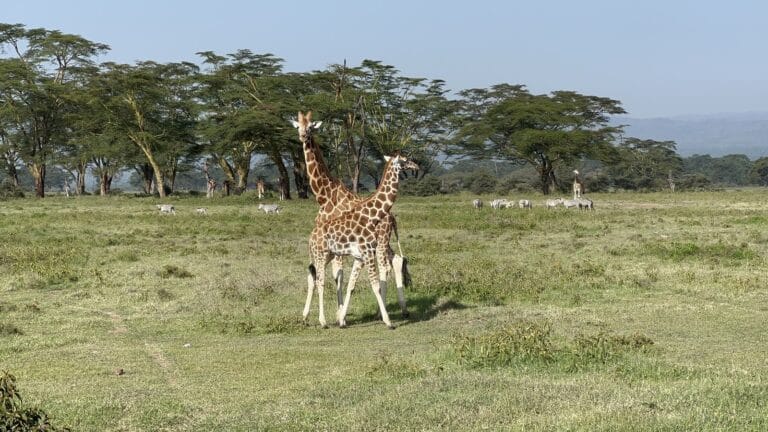
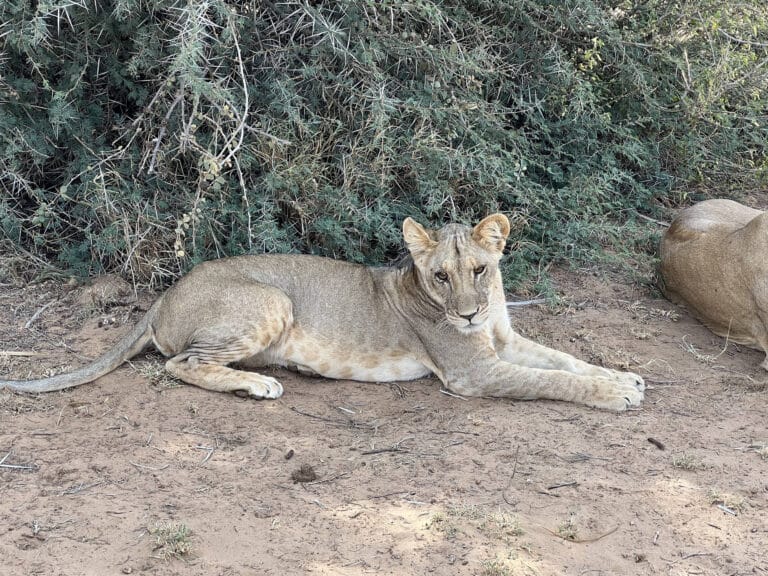
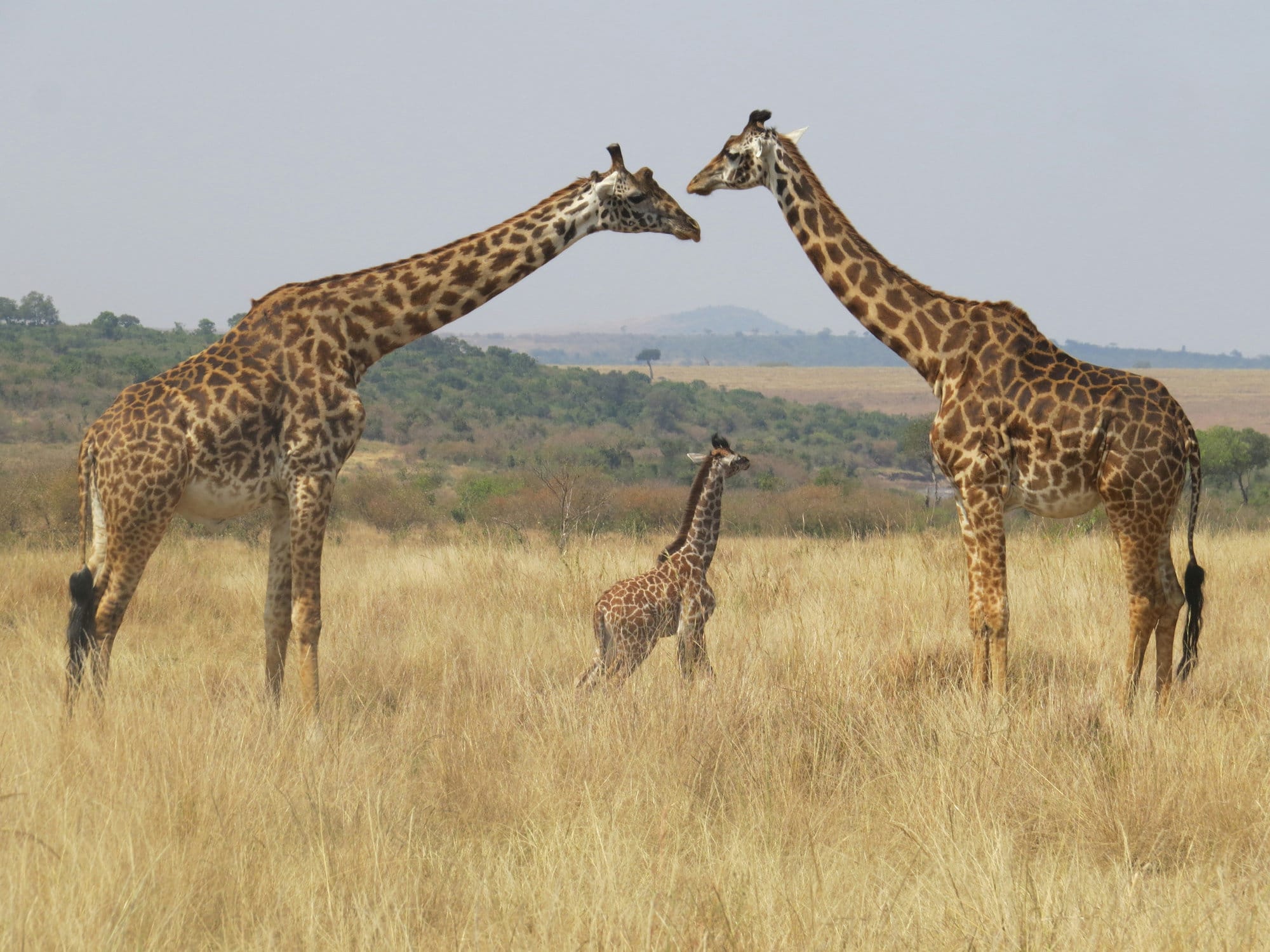
You have a genuine chance at the Big Five — lion, leopard, elephant, buffalo, and rhino — alongside giraffe, zebra, hippo, cheetah, and hundreds of birds. Here’s the honest part: lion, elephant, and buffalo are common, while leopard and especially rhino are less predictable, and anyone who guarantees them isn’t being straight with you. You’ll very likely see most of the list; hold the rest loosely, and let the whole living landscape — the light, a herd at a waterhole, an eagle overhead — be the point rather than a set of boxes to tick. Up north, Samburu adds the Special Five, dry-country species like the reticulated giraffe and Grevy’s zebra you’ll rarely see farther south.
What does a safari day really look like?
Safari days start early — animals are most active in the cool hours after dawn, so a typical morning game drive leaves not long after sunrise. You’re back for a proper breakfast, with the middle of the day free to rest, eat well, and slow down before an afternoon drive. It’s more relaxed than most people expect, and easy to shape around what suits you. If long, full-day drives aren’t your idea of a vacation, they don’t have to be part of yours — early mornings and unhurried afternoons, with real downtime between, is a perfectly good way to see a great deal. How different the days feel depends a lot on the season — our guide to when to go on safari in East Africa walks through the trade-offs — and dressing in layers for the big morning-to-afternoon swing makes all of it more comfortable (here’s what to pack and what to wear).
What surprises first-timers?
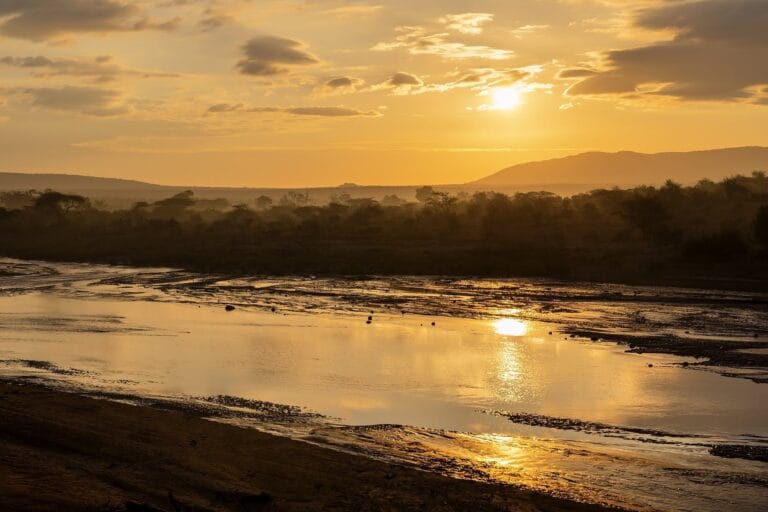
A few things catch almost everyone off guard, mostly in a good way. Mornings are genuinely cold before the sun climbs, so you’ll want a warm layer even in the tropics. There’s more dust than the photos suggest, which is exactly why neutral clothes and a light scarf earn their place. Connectivity is patchy by design — most lodges have some Wi-Fi, but a few days lightly off the grid tends to become part of the appeal. And the pace is calmer than a typical city vacation; those long, unhurried middles of the day are a feature, not lost time. The part no one quite prepares you for is the emotional one — the first time a herd crosses in front of the vehicle, or the quiet of the bush at dusk, tends to stay with you long after you’re home.
What’s included — and what should you ask?
A good safari package usually covers your accommodation, most meals, park and conservation fees, and game drives with an experienced local driver-guide in a comfortable, well-equipped vehicle through trusted ground partners. What varies — and what’s worth asking before you commit — is the detail: exactly which fees are covered, how transfers and any internal flights work, and whether comprehensive travel insurance with medical and evacuation cover is in place. There are no silly questions here, and the answers that matter most are the ones you get in writing. For a plain-English look at where the money actually goes, see what a Kenya safari costs.
Where does an advisor come in?
You can absolutely arrange a safari on your own. What I add is a US-based point of contact who has traveled Kenya, plans the route around you, and is reachable in your own time zone when a question comes up at nine at night — with your booking handled securely through my host agency rather than a wire to someone you found online. For most travelers the cost works out much the same as booking direct; the difference is having someone in your corner from the first email to the trip home. I go into the full case for using an advisor — and how it helps you sidestep the mistakes that trip up first-timers — in our guide to how to plan a Kenya safari.
A first safari is a big trip, and it should feel like one from the moment you start planning. If Kenya is beginning to pull at you, tell me what’s drawing you there, and I’ll help you shape the trip around it. Plan Your Journey — or message me on WhatsApp with a quick question.
First Kenya safari FAQ
What is a first Kenya safari actually like?
Relaxed, and more comfortable than most people expect. Days start early for a morning game drive, then you’re back for breakfast and an unhurried middle of the day before an afternoon drive. Comfort lodges and tented camps have real beds, en-suite bathrooms, and good food — the pace is calmer than a typical city vacation.
What will I see on a first Kenya safari?
A genuine chance at the Big Five, plus giraffe, zebra, hippo, cheetah, and abundant birdlife. Lion, elephant, and buffalo are common; leopard and rhino are less predictable and never guaranteed. In the north, Samburu adds dry-country species you won’t see farther south.
How many days do I need for a first Kenya safari?
Six to ten days on the ground is the sweet spot — enough for two or three parks at an unhurried pace. Fewer than five usually means too much time driving; our complete planning guide covers how to structure it.
Is a first Kenya safari comfortable for older travelers?
Yes — a comfort-tier trip is gentle-paced and very manageable for travelers in their 50s, 60s, and beyond, with sensible drive times and comfortable lodges. More in our guide on safari safety for older travelers.
Do I really need a travel advisor for a first safari?
You don’t have to, but a first safari is where a good advisor earns their keep — getting the route, pacing, lodges, dietary needs, and paperwork right, being reachable in your time zone, and handling the booking securely so you’re not wiring money to someone you found online.