
Italy, Slower Than We Did It
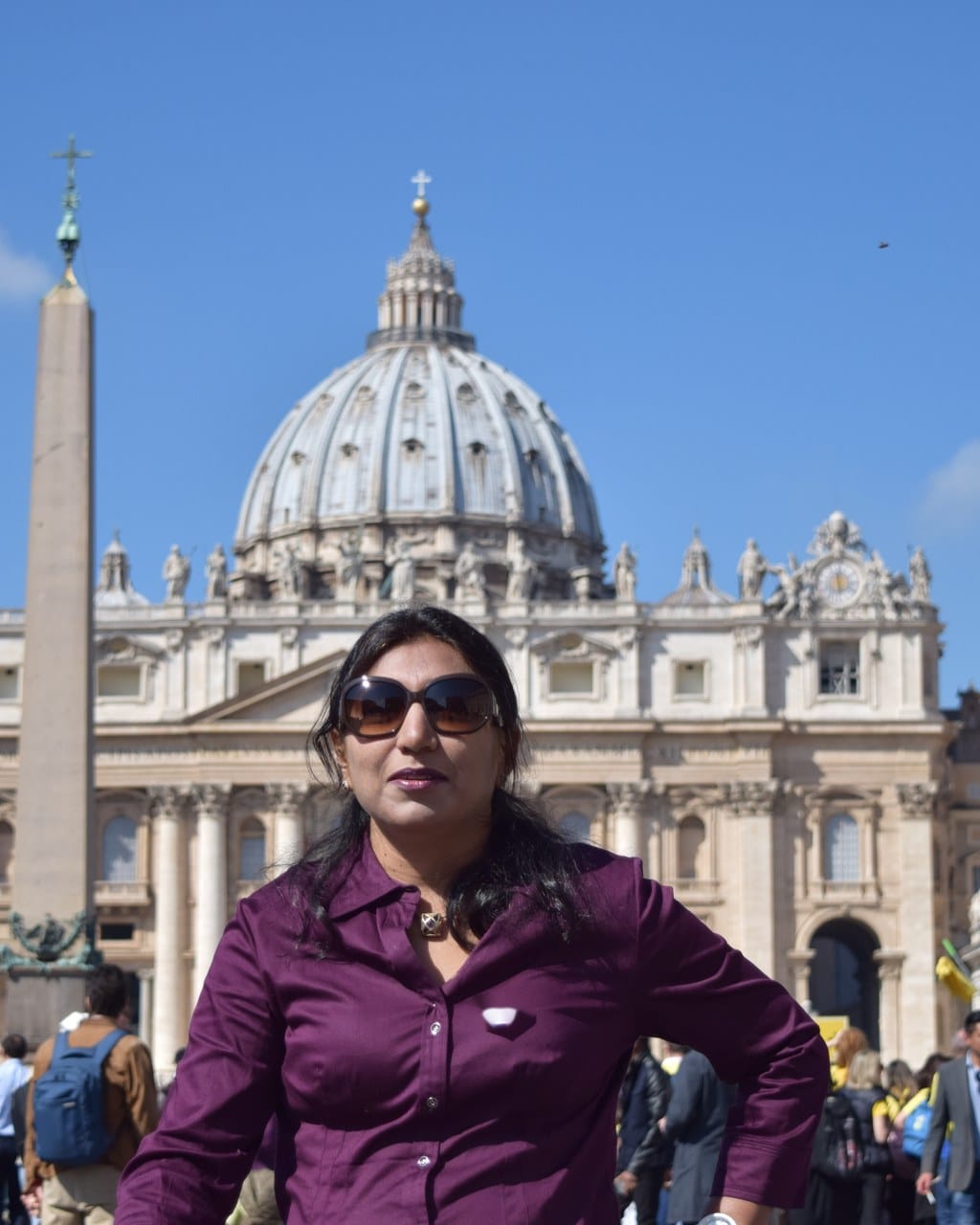
Easter week, 2016. Four of us, one week, Rome as a base, and a list that was far too long — Milli, her husband, and their two sons, doing Italy the way almost everyone does it the first time. By trying to see all of it.
We managed a remarkable amount. Rome and the Vatican. Pompeii and the bay of Naples. Venice. Pisa. Florence. Six of the greatest places in Europe inside seven days.
Three of them were day trips out of Rome and back.
That week is the reason this page exists. Not because it went wrong — it didn’t, and the boys still talk about it — but because it taught Milli exactly which parts of an Italian week are worth the distance, and which parts quietly take the week away from you.
The part nobody tells you
We left Rome for Venice before dawn and got back near midnight. Nearly eight hours on trains for eight hours in the city.
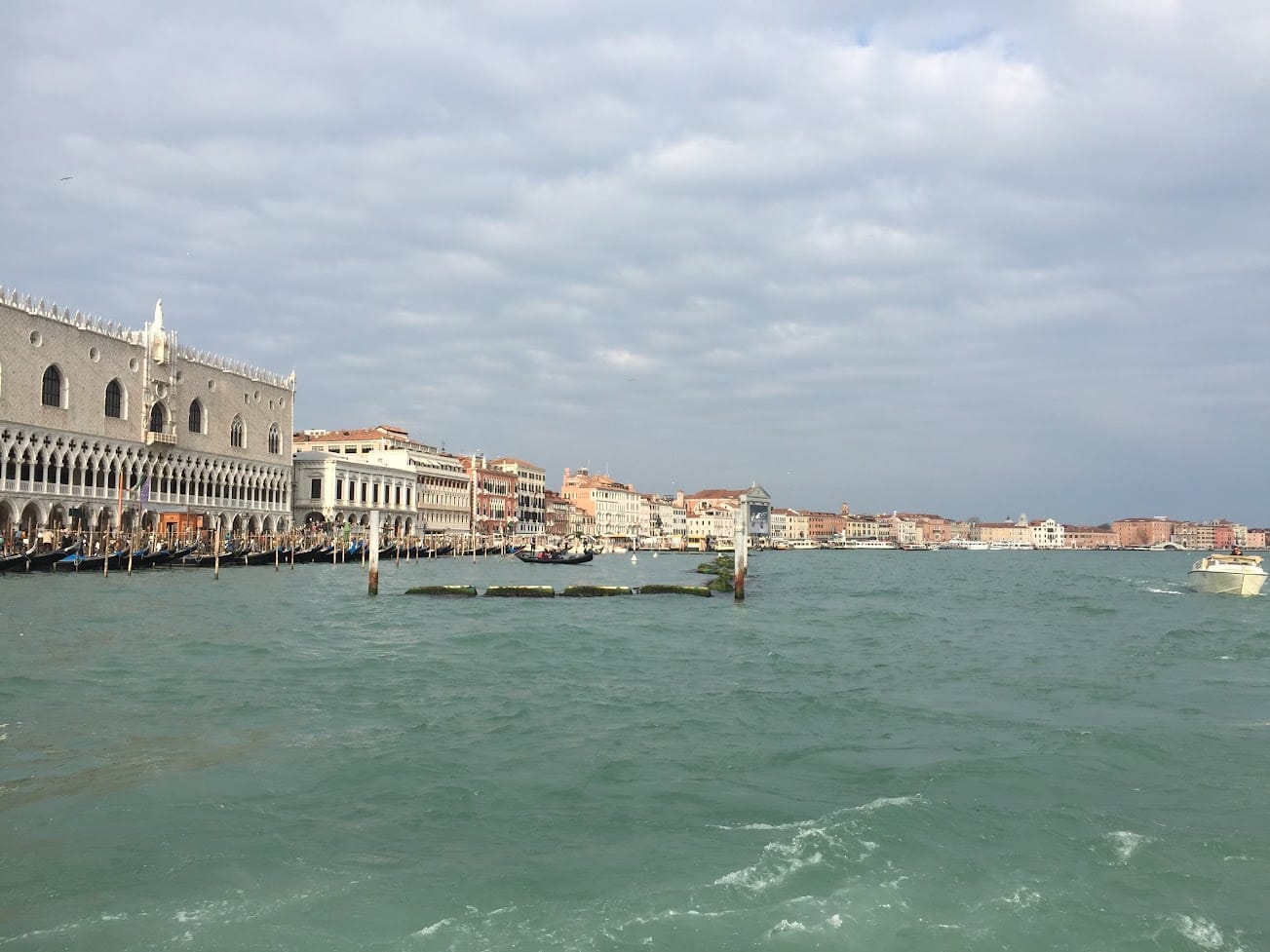
Venice was worth it. Venice is always worth it. But it was also Easter Monday — Pasquetta — a national holiday when the whole of Italy takes a day out, and the waterfront was three deep, the lagoon was grey, and the queue on the Rialto ran the length of the bridge. Nobody mentions Pasquetta. It isn’t a festival, so it doesn’t appear on the calendars people check. It’s just the Monday after Easter, and every Italian family is standing exactly where you wanted to stand.
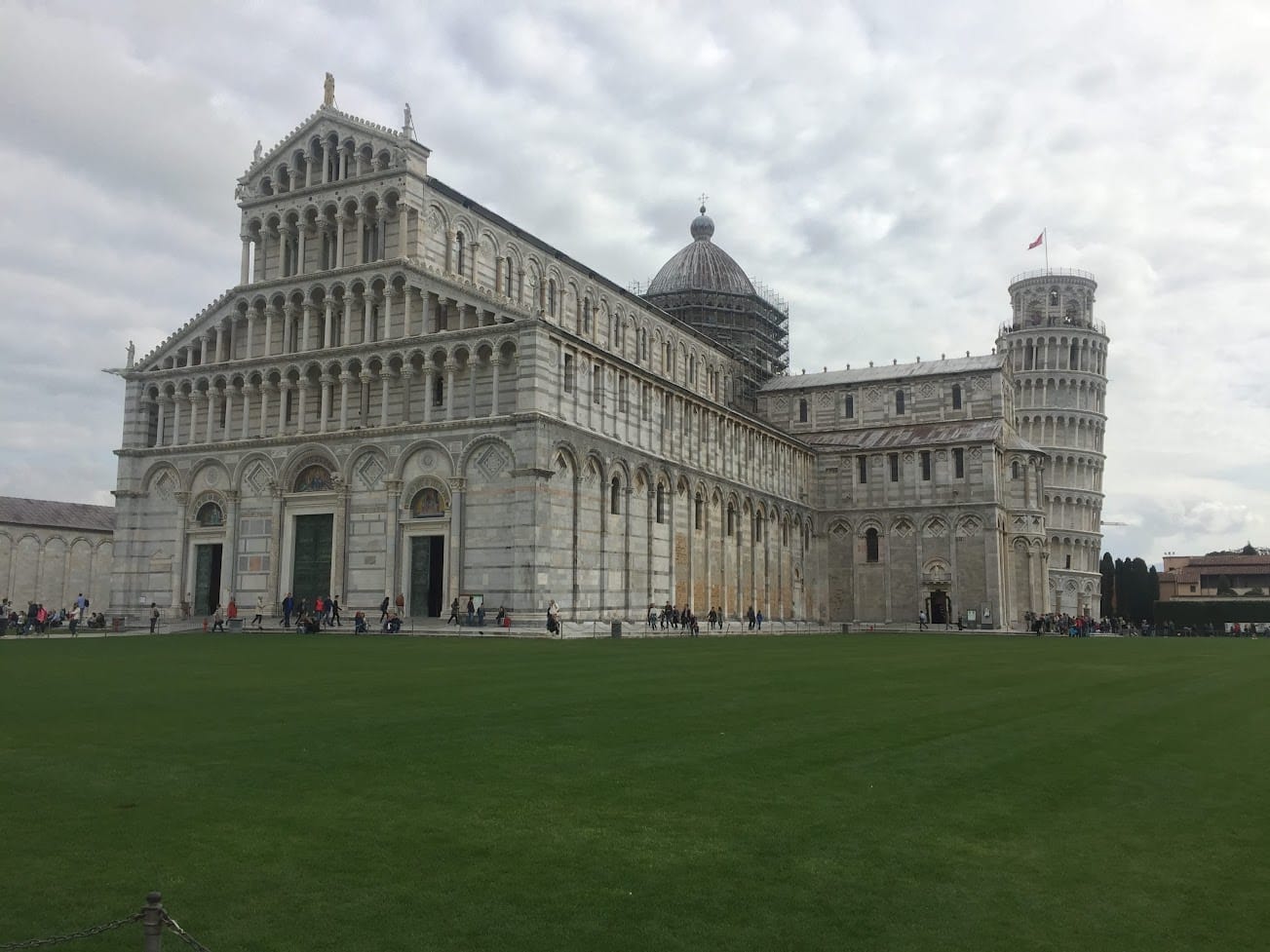
The next morning we went to Pisa and Florence. Pisa got fifteen minutes — long enough to cross an enormous lawn, look up, and leave. Florence got the tail end of an afternoon, which is not a visit to Florence. It’s a photograph of Florence.
None of this is a complaint. It’s arithmetic. A day trip from Rome spends its first and last quarters on a train, and the middle half competing with everyone else who made the same calculation. Do it once and it’s an adventure. Do it three times in five days and you’ve bought a week of Italy and spent most of it moving.
The thing worth knowing before you book: the tour that sells you a city in a day is not lying to you. It will deliver the city, in a day. Whether that’s what you wanted is a different question, and it’s the one nobody asks you.
How Milli plans it
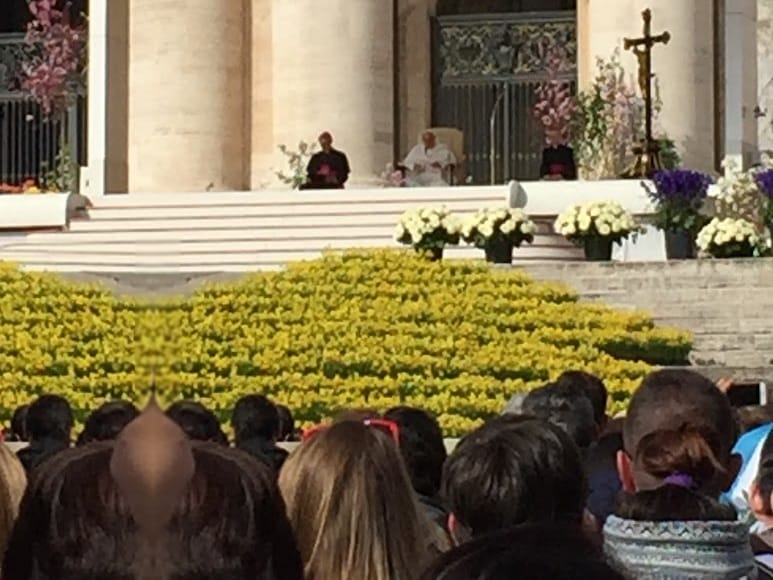
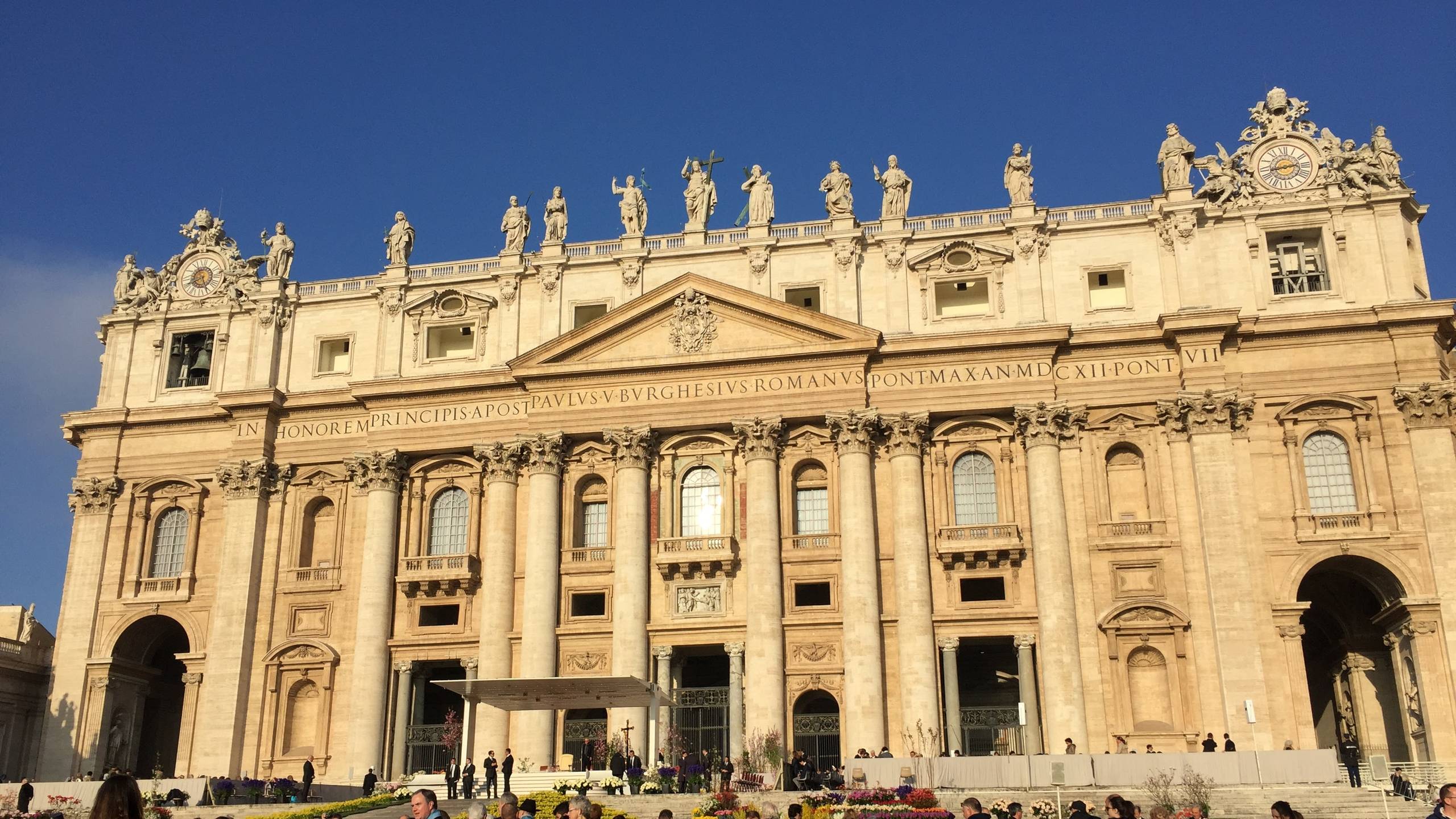
The Wednesday General Audience is free. It is also one of the most-booked things in Rome, and the people who miss it are almost always the ones who didn’t know it needed booking at all. Tickets come from the Prefecture of the Papal Household, they cost nothing, they run out, and they exist only on Wednesdays — with a long gap in high summer when there are usually none at all.
We had ours. We were still several hundred people back, because we arrived at nine for a ten o’clock start, and the square had been filling since seven. The Holy Father was a small white figure a long way past a bed of Easter flowers. It was still one of the best mornings of the week. But it is worth knowing what you are walking into, so that you’re moved by it rather than surprised by it.
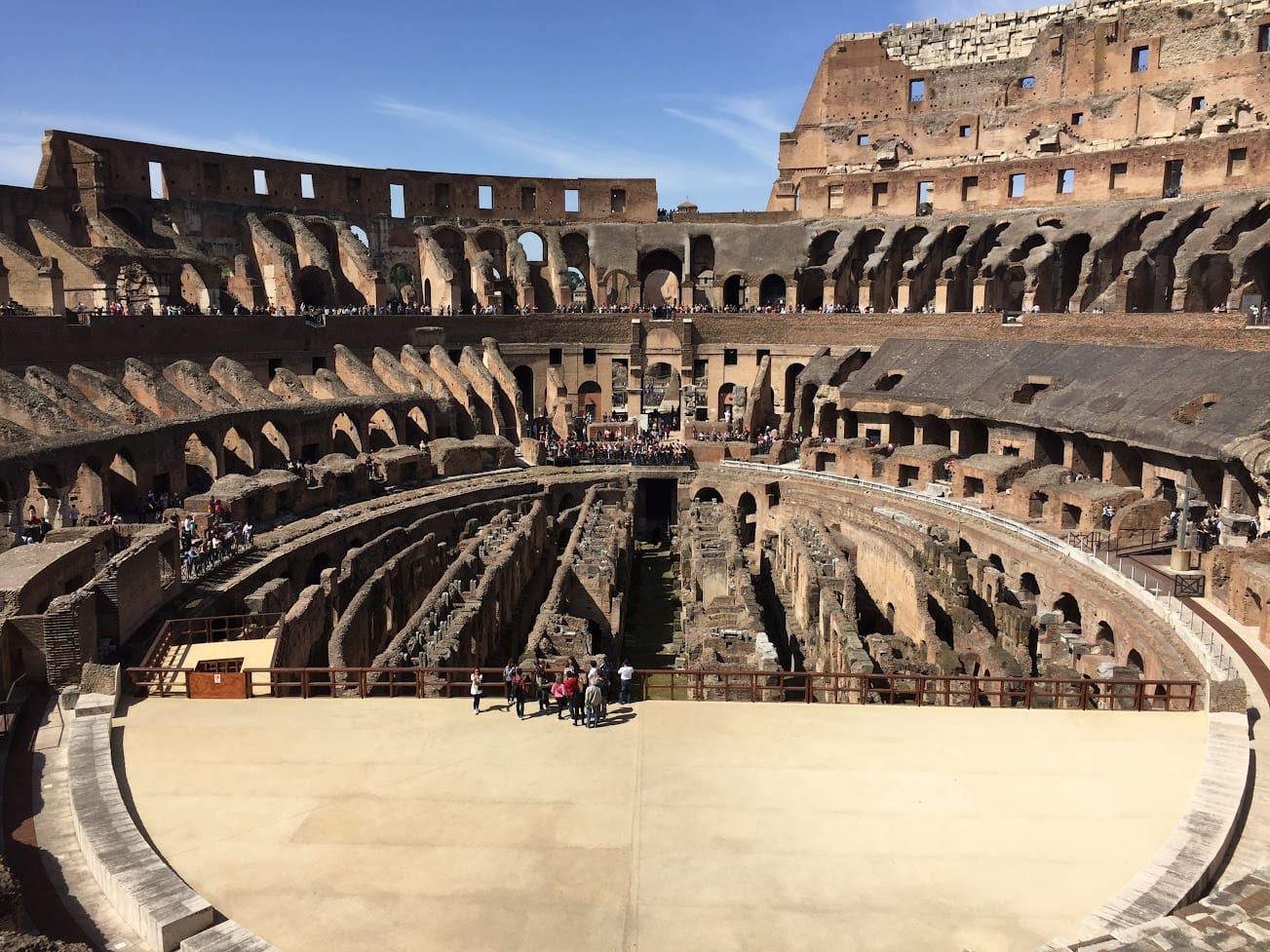
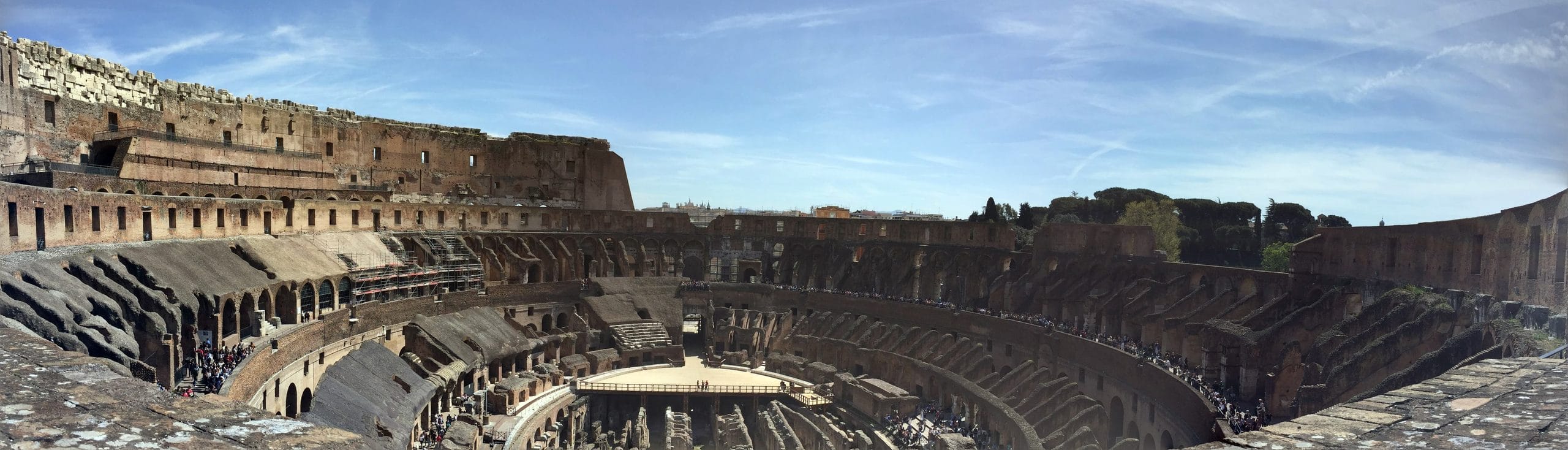
The Colosseum is the opposite problem. Nothing about it is free and nothing about it is casual: the ticket is timed, the entry is queued, and the hour you choose is more or less the entire experience. Get it right and you’re standing over the arena in clean light with room to breathe. Get it wrong and you’re in a slow-moving line looking at the back of someone’s head.
Rome is full of that distinction — the free thing you must book weeks out, the paid thing whose only real variable is the hour. Sorting one from the other, in the right order, on the right days, is most of what planning Rome actually is. It’s also why the choice of where you sleep matters more here than people expect: the right base turns three of those decisions into non-decisions. That’s a conversation worth having early, and it’s where a good hotel booking earns its keep.
What a journey can look like
Pompeii, and the day that earns its distance
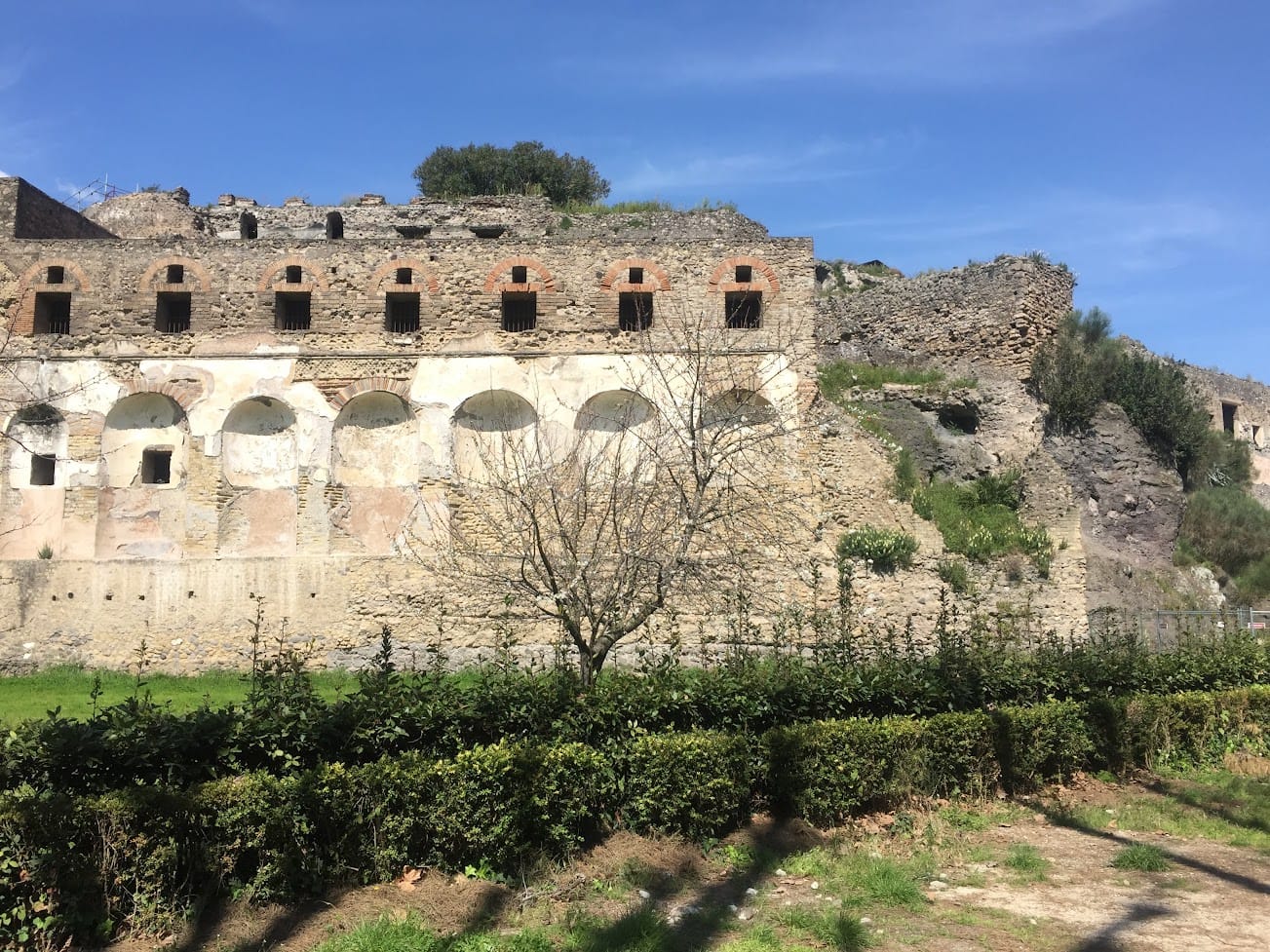
Of the three long days out of Rome, this is the one that pays. Pompeii is not a monument you photograph and leave; it’s a city, and it takes hours to walk, most of them unshaded, with Vesuvius sitting on the skyline behind you the entire time, which is the whole point and slightly unnerving. We went on Easter Sunday and had a good day. It is a lot of walking, and worth every step — but it wants a whole day and a plan, not a stop.
Florence, which is not a stop
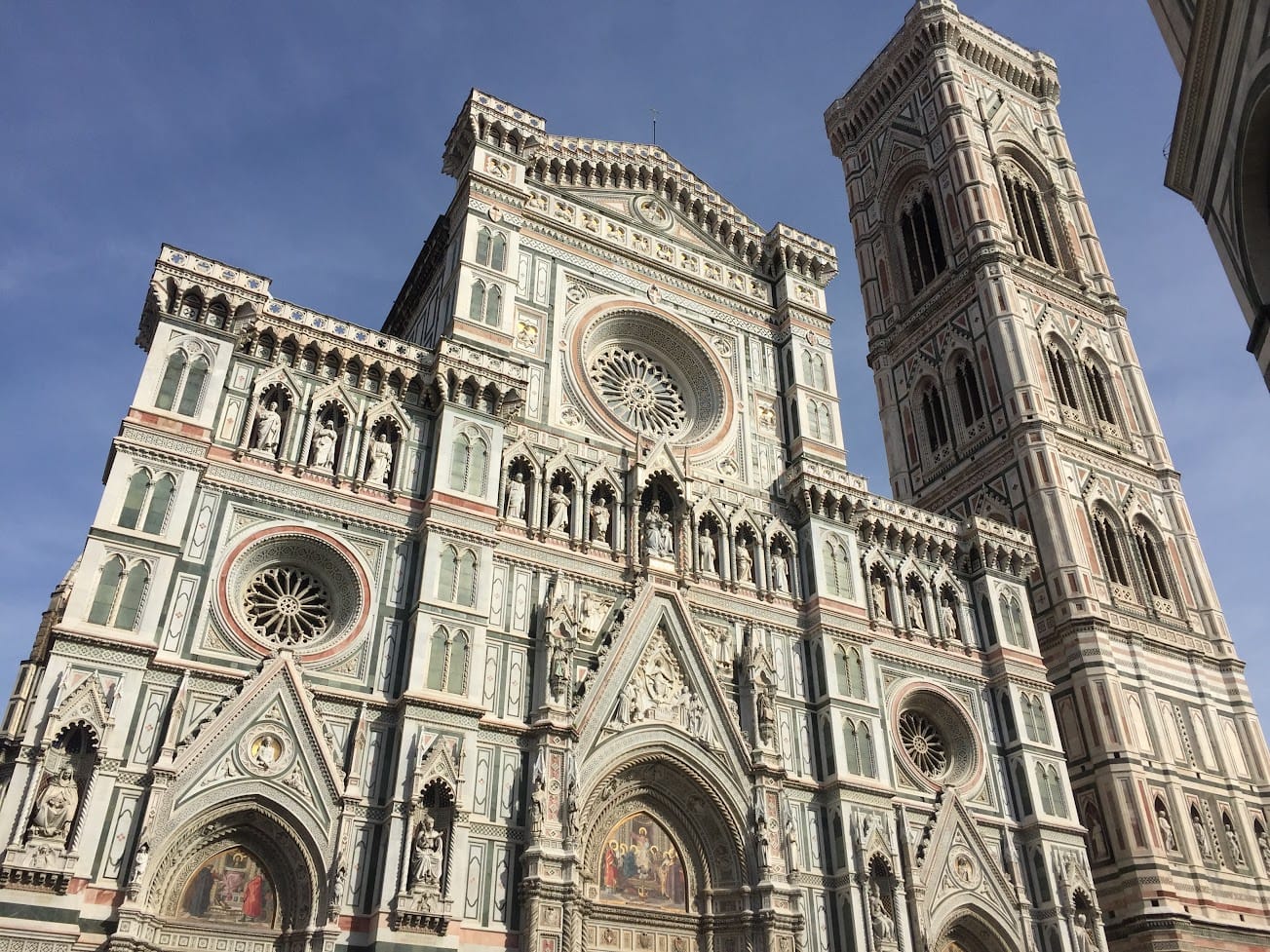
We saw the Duomo in the last of the afternoon light and it was extraordinary, and then we got back on a train, and I have thought about that ever since. Florence is not a place you pass through on the way back from somewhere else. It’s a base of its own, and everything that makes it worth the journey — the light, the food, the fact that the city empties in the evening and hands itself back to you — happens after the day-trippers have gone.
Venice, after the day boats go
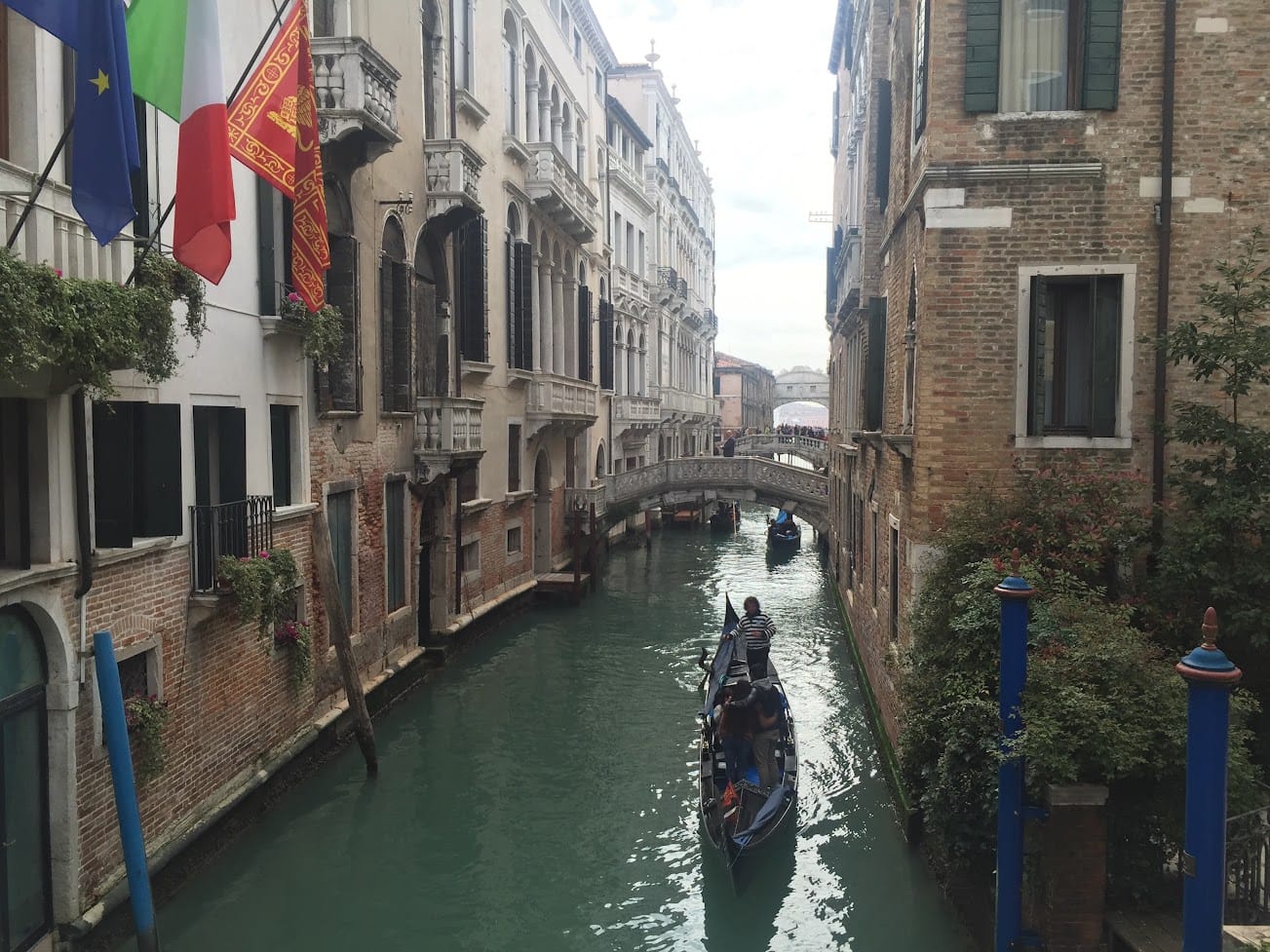
Venice from the water is a different city from Venice on foot, and arriving by water is not a luxury, it’s the correct introduction. But the version of Venice worth crossing an ocean for is the one that exists in the early morning and the late evening, in the hours either side of the day crowd. That version requires a night. It is not the same place at two in the afternoon, and no amount of planning makes it the same place.
Honest guidance
That week was 2016. We say so plainly, because it matters and because you’d work it out anyway.
Rome does not move. The Forum is where it was, Pompeii is where it was, and the reason to go is unchanged. What has moved is everything practical around them. Venice now asks some day visitors to pay to enter. The Colosseum’s ticketing and access have been reorganized more than once. The Vatican books differently. And the man we saw across that square is not the one you would see.
Which is exactly why none of those details appear on this page. Anything we printed here would be wrong within a year, and you’d have no way of knowing which year it went wrong in. Milli confirms every current requirement, fee, opening and booking window against the source, for your dates, before you commit to anything.
On timing: Easter week is beautiful, and it is the single most crowded week of the Italian spring. If the calendar is yours to choose, late April into May, or late September into October, gives you the same light with a fraction of the company.
And the advice underneath all of it, which cost us a week to learn: fewer places, more nights. Italy does not reward completeness. It rewards staying put long enough for a place to stop performing and start behaving normally. Three cities properly is a better trip than six cities at a run — and it is, almost always, the cheaper one too.
Let’s talk about Italy
Tell us roughly when you’d like to go, who’s travelling, and what you most want out of it. Milli will come back to you with a shape for the trip and an honest opinion about the parts you’re not sure about.