
Iceland
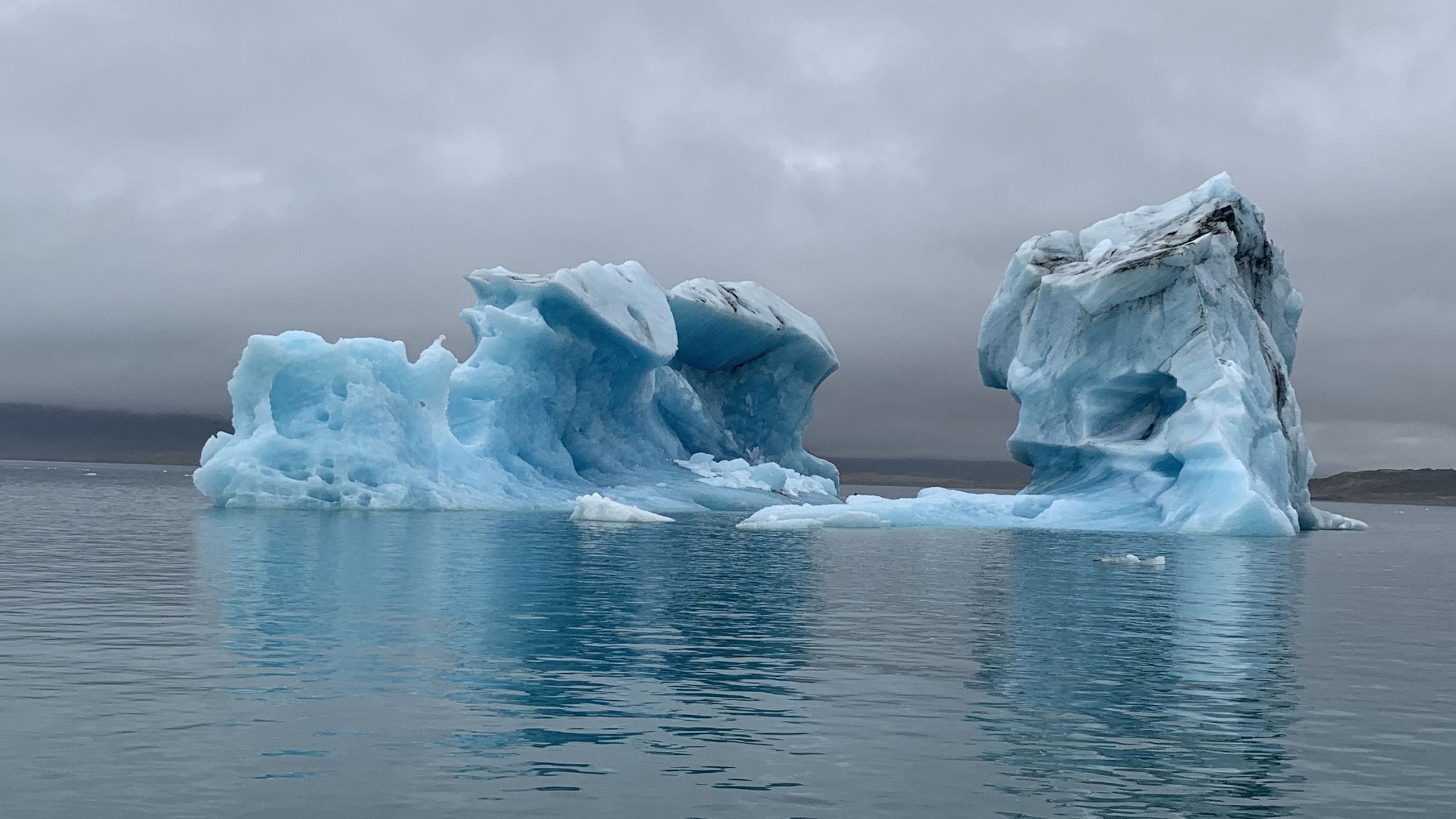
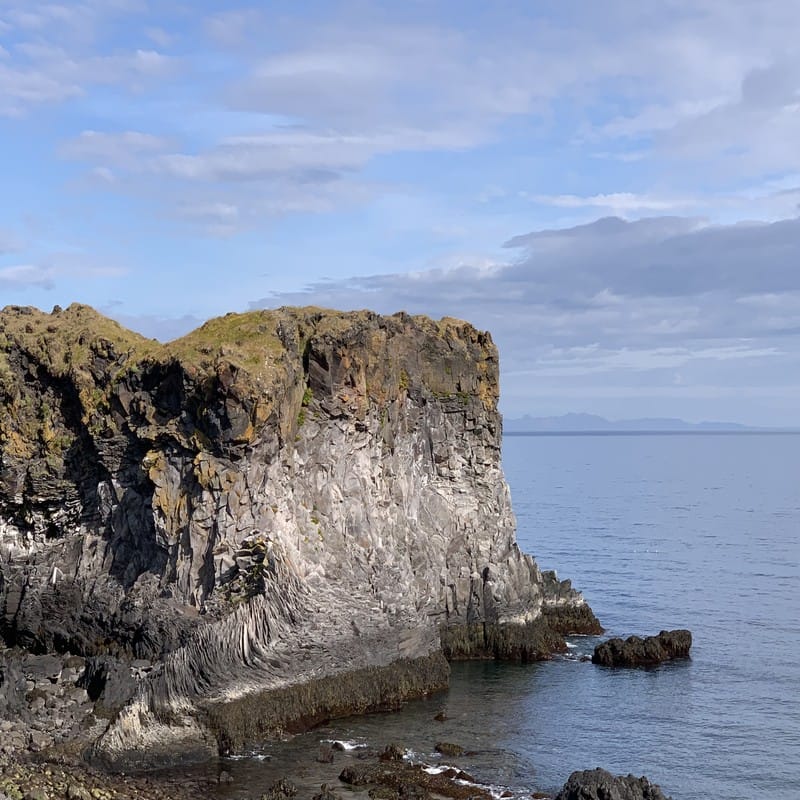
This was taken at 8:47 in the evening.
We had been picked up at eight that morning. Somewhere behind that water there is a bus, and it still had two hours of driving to do before it put us back in Reykjavík. We had seen a glacier lagoon that day. I remember it the way you remember something through glass.
I went to Iceland in August 2019 with my husband and our two sons. We stayed in one apartment for seven nights and bought a day tour for almost every one of them. It worked — we saw the country. But I would not plan it that way again, and the reason is the whole point of this page.
I planned it myself, off the internet, the way almost everyone plans Iceland. Nothing I booked was wrong — every tour did exactly what it said it would do. But nobody in that process ever asked what I wanted the week to feel like when it was over. I found that out on a bus at nine at night, two hours from bed, and by then it was too late to do anything with it.
The part nobody tells you
Iceland is bigger than the map lets on, and Reykjavík is in the corner of it.
Nearly every day tour you can buy leaves from the capital and comes back to it. On the map that looks efficient. On the ground it means the famous places — the glacier lagoon, the black beaches, the far side of the west — are reached by driving out and driving back on the same day.
The glacier lagoon day is the one to understand. It is around four hundred and seventy miles, out and home. Sold as a day trip. It is a fourteen- or fifteen-hour day, most of it in a seat, and the reward is roughly seventy minutes at the water.
Nobody tells you this because it isn’t hidden. It’s just never added up for you.
The second thing is the ice cave.
You will see photographs of a blue cavern and you will want to stand in it. Those are real, and they form inside the glaciers in winter, and they are gone by summer. From roughly June to October the caves in the brochures do not exist.
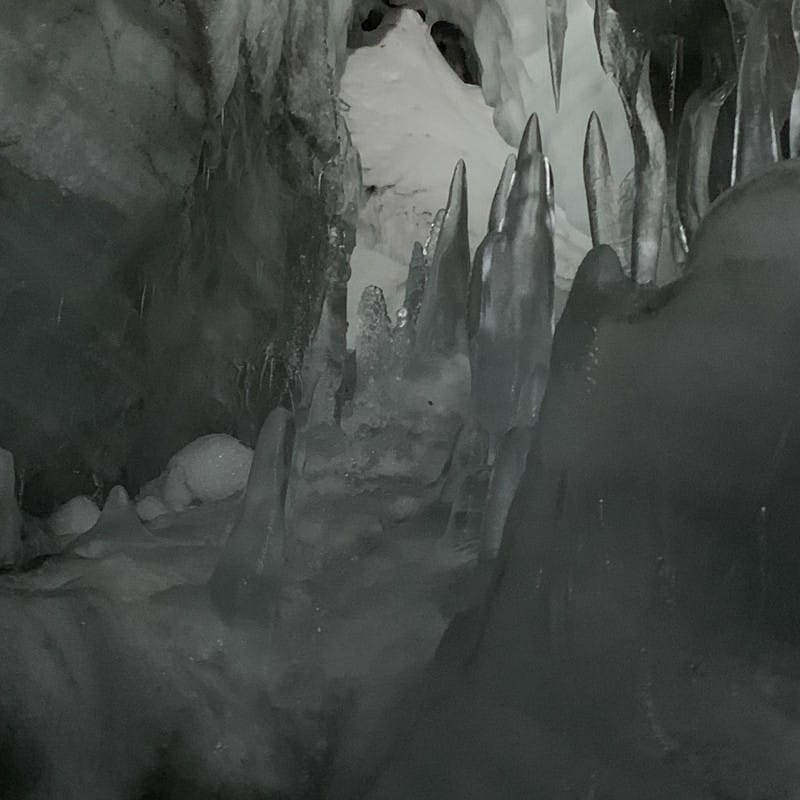
What exists year-round is a tunnel cut into the Langjökull icecap by machine. It is genuinely remarkable — you walk into an icecap. It is not the blue cave in the photograph, and the two get sold under one word.
Knowing which one you’re buying, before you buy it, is most of the work.
How I’d plan it now
Move the base. Almost everything that makes those days brutal comes from one decision: sleeping in Reykjavík every night. Two or three nights in the capital, then two or three on the south coast, and the glacier lagoon stops being an endurance event and becomes a morning. You wake up near it. You go when the light is good. You are not watching a clock that started at eight and doesn’t stop until eleven. It costs a little more. It buys back an entire day of your life, and it is the single change I’d make.
Build in a day that does nothing. We left one day unplanned, not on purpose. Weather took one of our tours and that empty day is the only reason we got it back at all. Iceland’s weather cancels things. It isn’t a fault in the system; it is the system. A schedule with no slack in it doesn’t survive contact with the country.
Don’t drive it yourself just because everyone says to. The internet is unanimous that Iceland is a self-drive country, and for some people it is. If you would rather not take a rental car onto a road you don’t know, in wind you have never experienced, you have not failed at Iceland. Good guided touring exists and it is not the consolation prize. It is what we did, and the seeing was never the problem — only the shape of the days.
Then ask what you actually want. Some people want the glacier. Some want a hot spring at the end of a long walk, and horses, and a harbor, and nothing else. Iceland will happily sell you all of it in seven days and hand you back exhausted. Choosing what to leave out is the job — and it’s the part I’d want to talk through with you rather than guess.
What a journey can look like
Reykjavík – Golden Circle
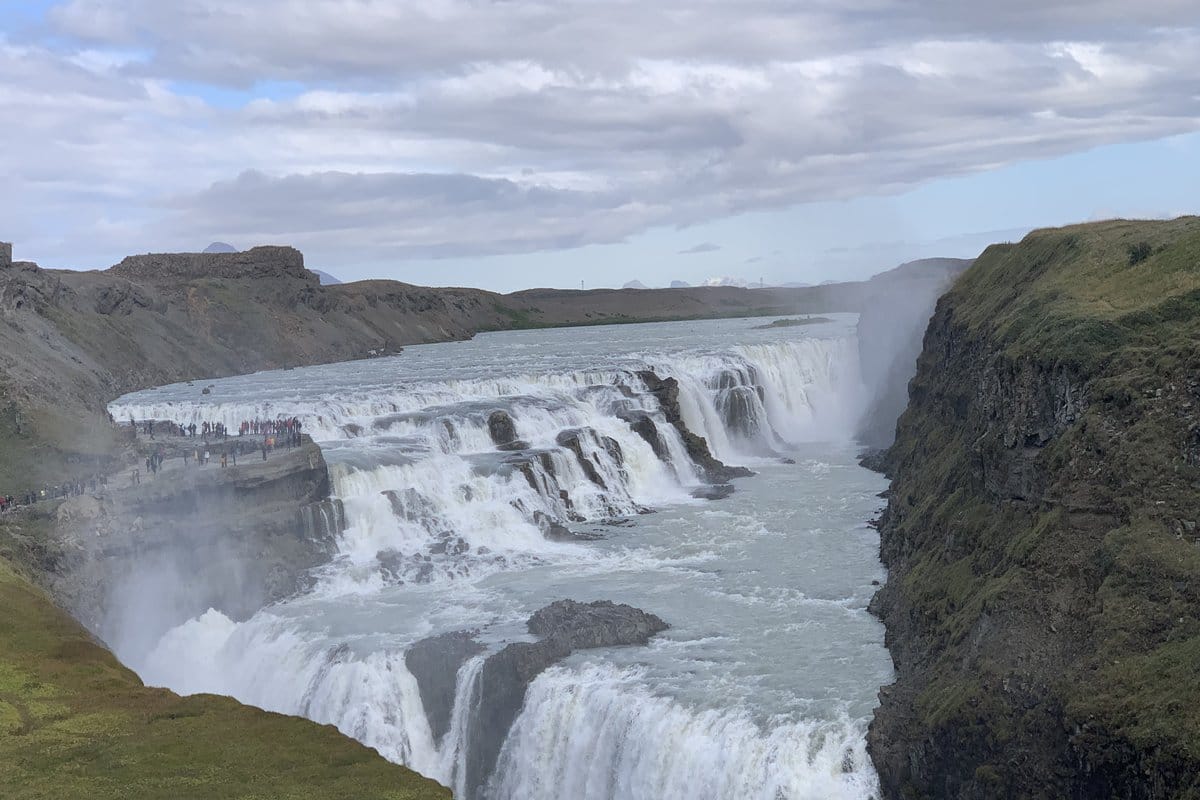
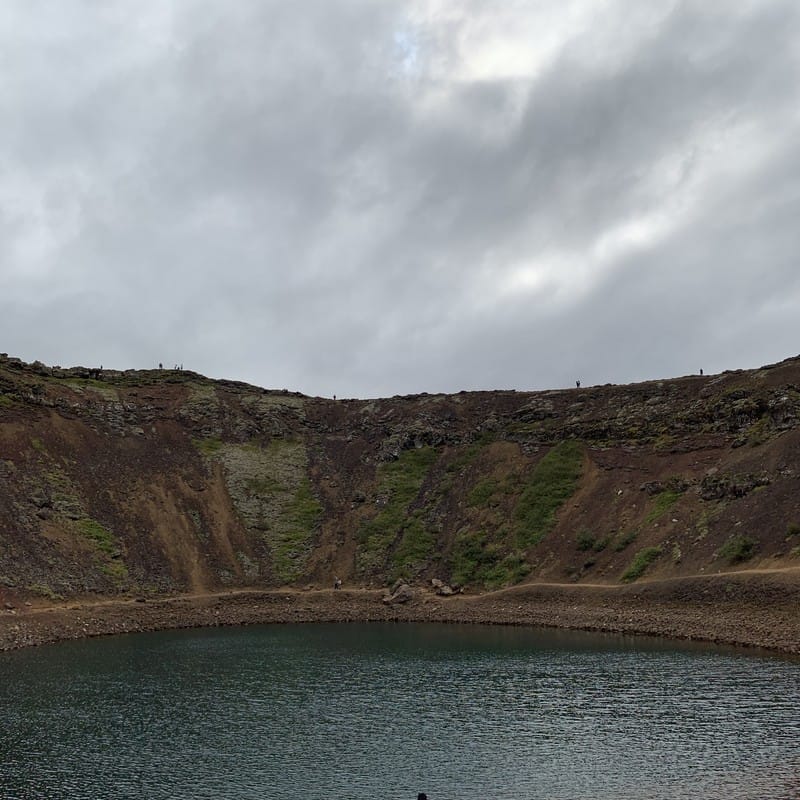
Two or three nights to land, adjust, and see the easy wonders — a waterfall in a canyon, a rift between two continents, a crater filled with green water. All of it within a comfortable drive of the city, none of it requiring a fourteen-hour day. This is the part of Iceland that genuinely works from a Reykjavík base, and it’s where I’d start you.
South coast — sleeping on
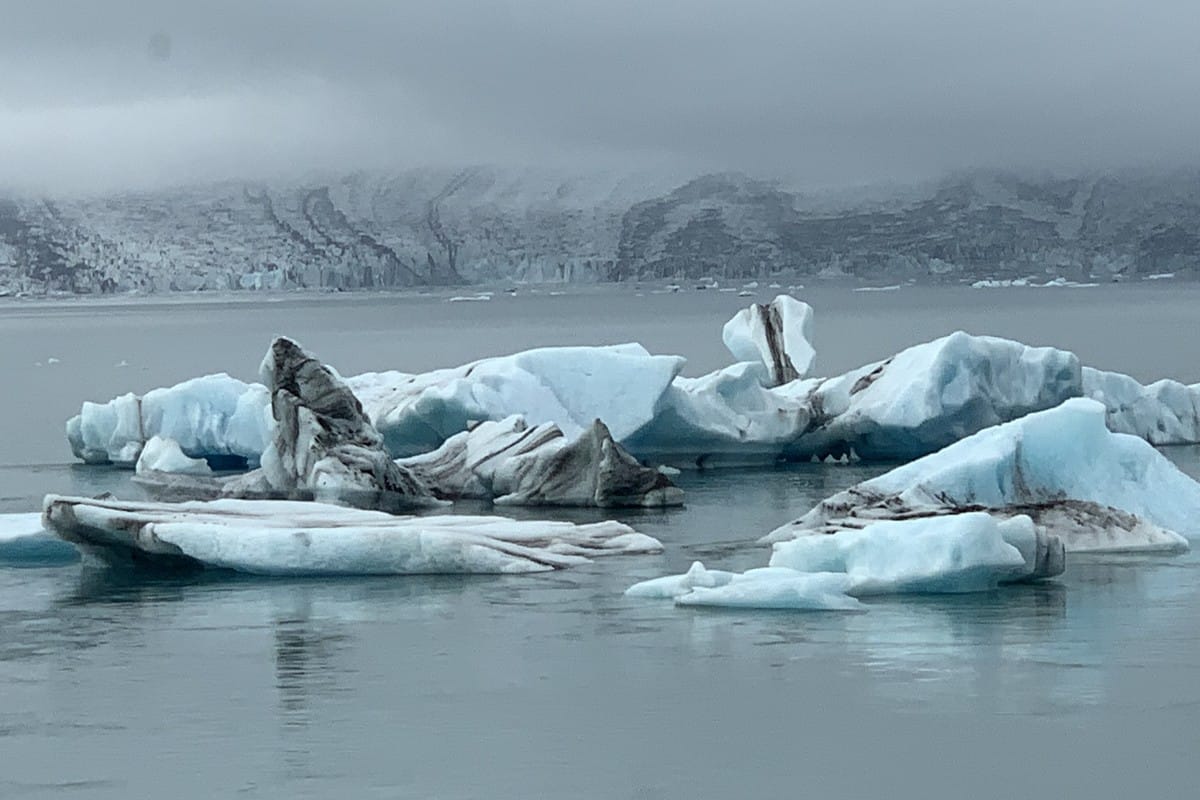
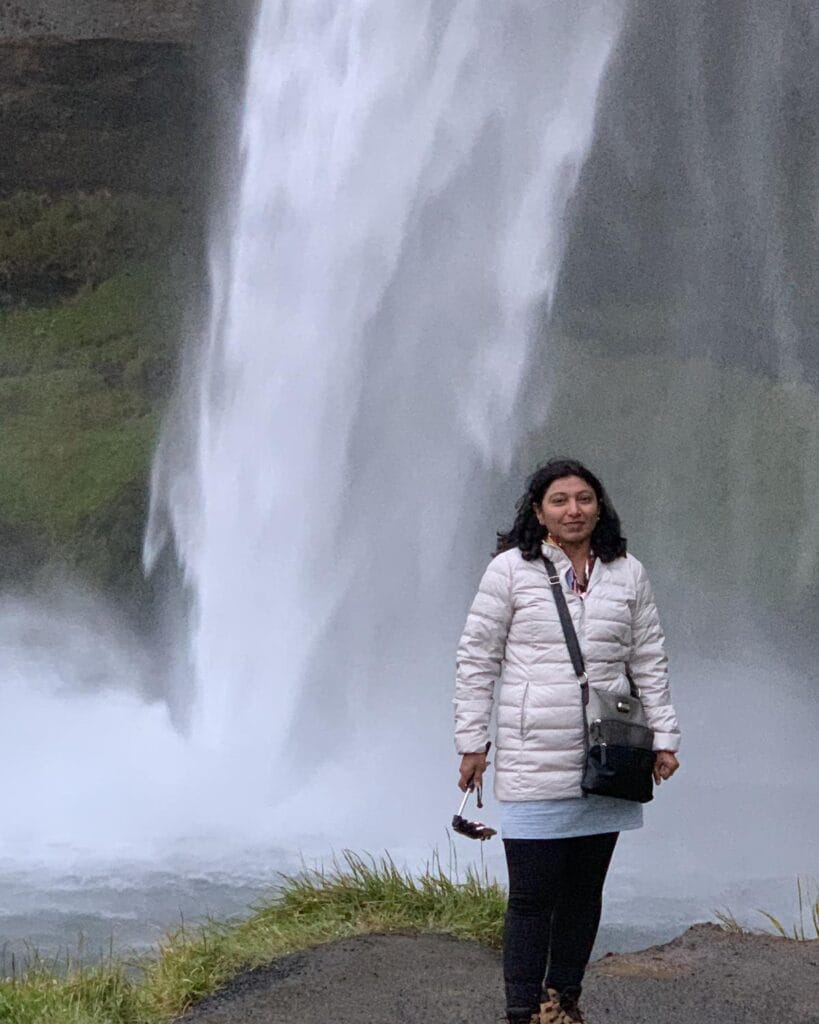
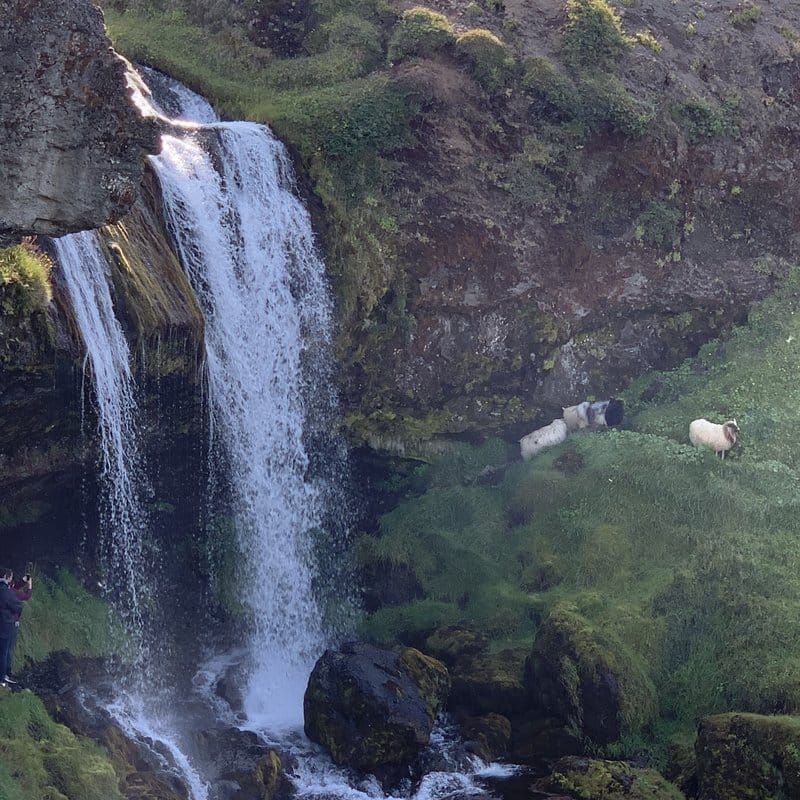
Waterfalls you can walk behind, black sand, and then the glacier lagoon, where the ice comes off the tongue and drifts out to sea in slow blue pieces. Done from Reykjavík it’s the hardest day of the trip. Done from a bed two or three hours closer, it’s the best one. Same country, same icebergs, different life.
The west, and Snæfellsnes
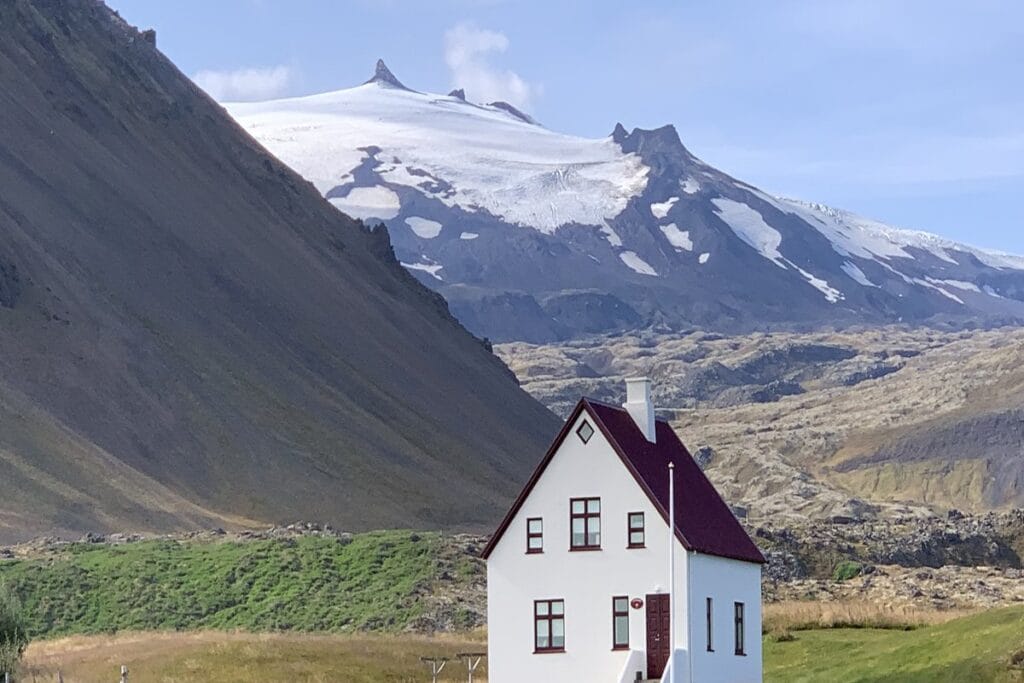
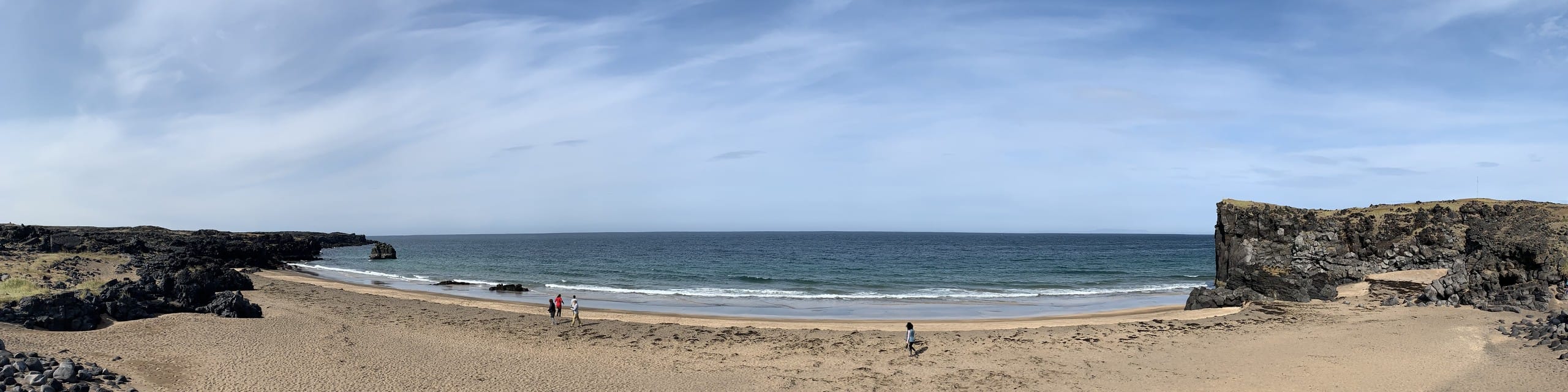
People call Snæfellsnes “Iceland in miniature” and for once the shorthand is fair — glacier, lava field, sea cliffs, a golden beach where there should not be one, all on a peninsula you can cross in an afternoon. It is quieter than the south, and on a clear day it is the most beautiful thing we saw.
Honest guidance
August is the easy season and the busy one. Long light, open roads, no aurora worth planning around, no blue ice caves. February is the opposite bargain entirely: the caves are real, the light is short, and the weather is in charge. Neither is the right answer. They’re different holidays wearing the same name, and most of the disappointment I hear about Iceland comes from people who booked one and expected the other.
Iceland is not a cheap country and no amount of planning makes it one. What planning does is stop you paying for days you don’t enjoy.
And the weather will take something from you. It took something from us. The only question is whether your week has room to absorb it.
Where you sleep does more work in Iceland than almost anywhere else — it’s the whole difference between the fifteen-hour day and the morning. It’s also why how I choose hotels is the part of planning I spend the most time on.
Tell me what you want Iceland to feel like, and I’ll tell you honestly if your week will do it