
Poland
A habit of resilience
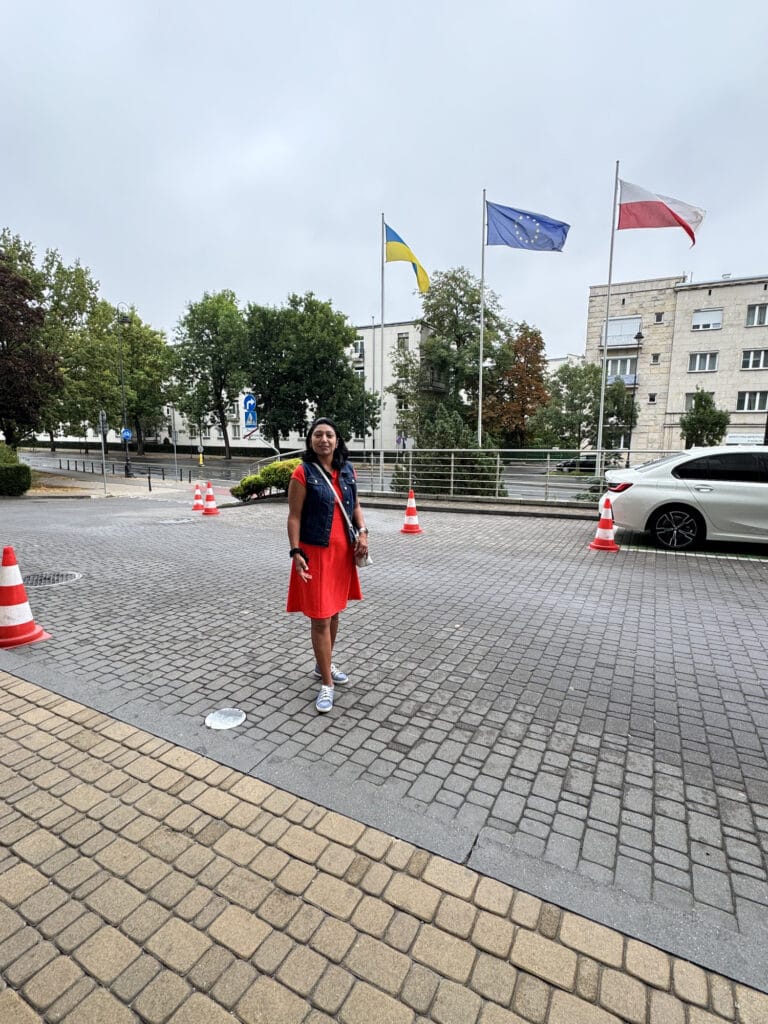
Everywhere you look, you don’t just see history. You see a nation that refuses to forget the people who stood up for it.
We were in Gdańsk on the first of September, and we hadn’t planned it. The city stopped. Flags, red and white flowers banked along a monument, a microphone, people standing in the street on a Monday morning — for a few dozen postal workers who held their building for fifteen hours in 1939, on the first day of the invasion.
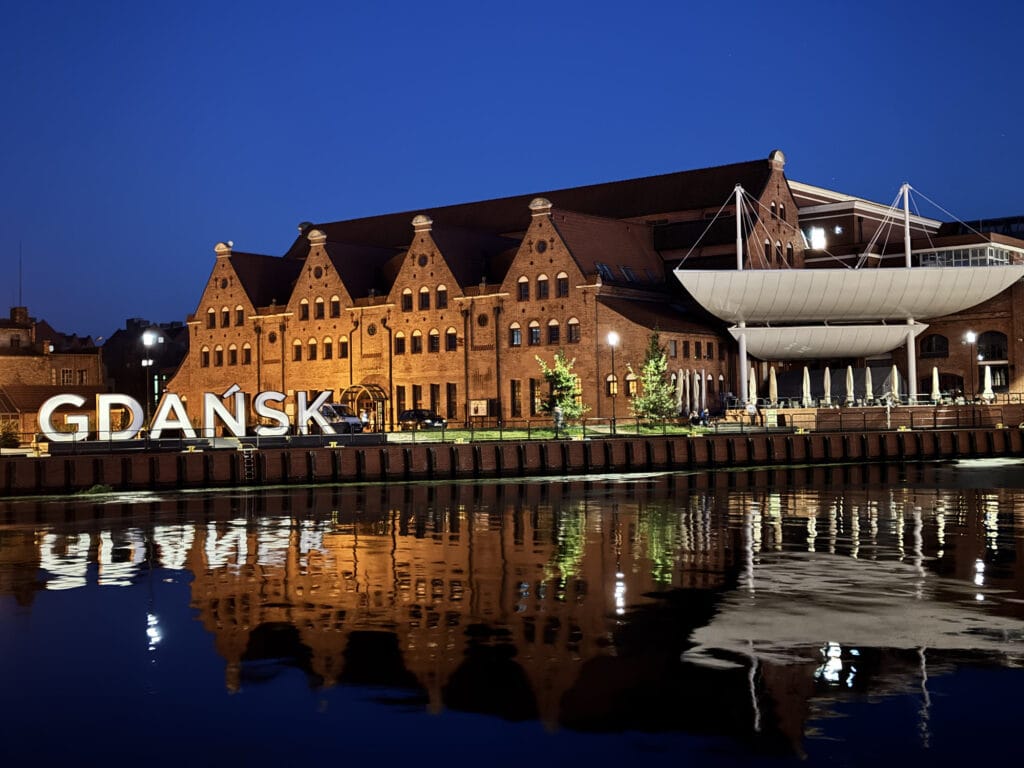
It isn’t one war. Jasna Góra’s walls went up to survive a siege in the 1600s, and the monastery is still the most visited place in the country. Gdańsk was rubble in 1945 and was rebuilt gable by gable, then sent Solidarity into the world from its yards. Warsaw’s old town is a reconstruction. Toruń kept its Gothic streets through all of it.
That’s not surviving one war. It’s a habit.
The first of September
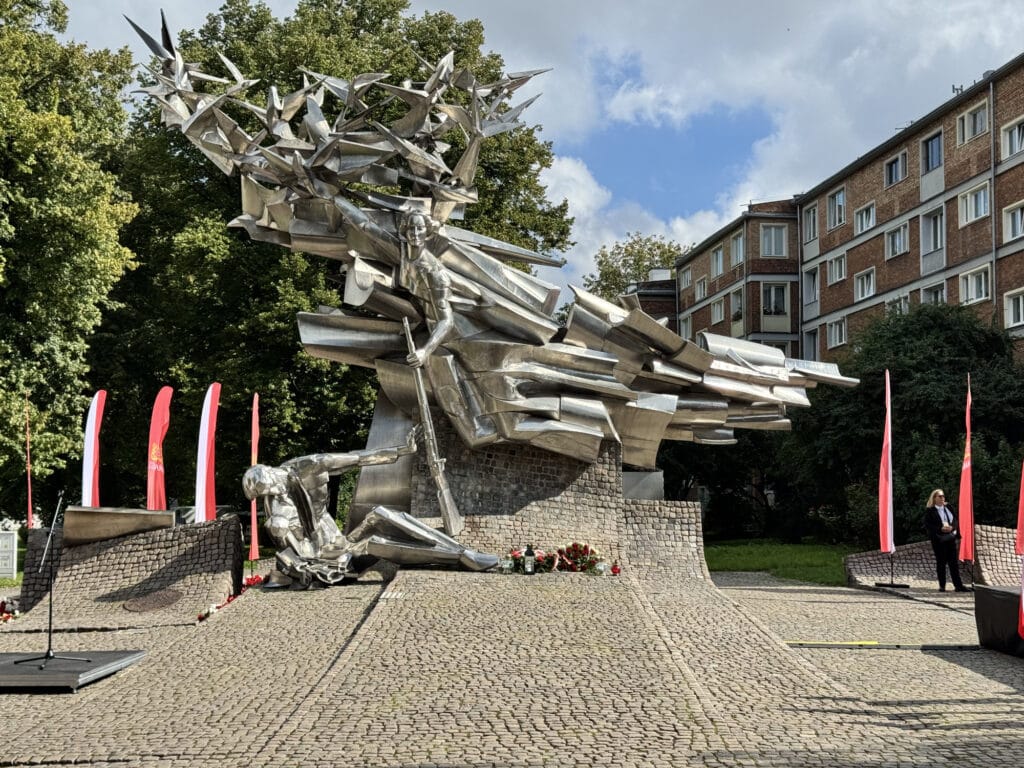
We walked into it. Flags, flowers, a microphone, people standing in the street on a Monday morning — for a few dozen postal workers who held their building for fifteen hours in 1939.
Gdańsk, rebuilt
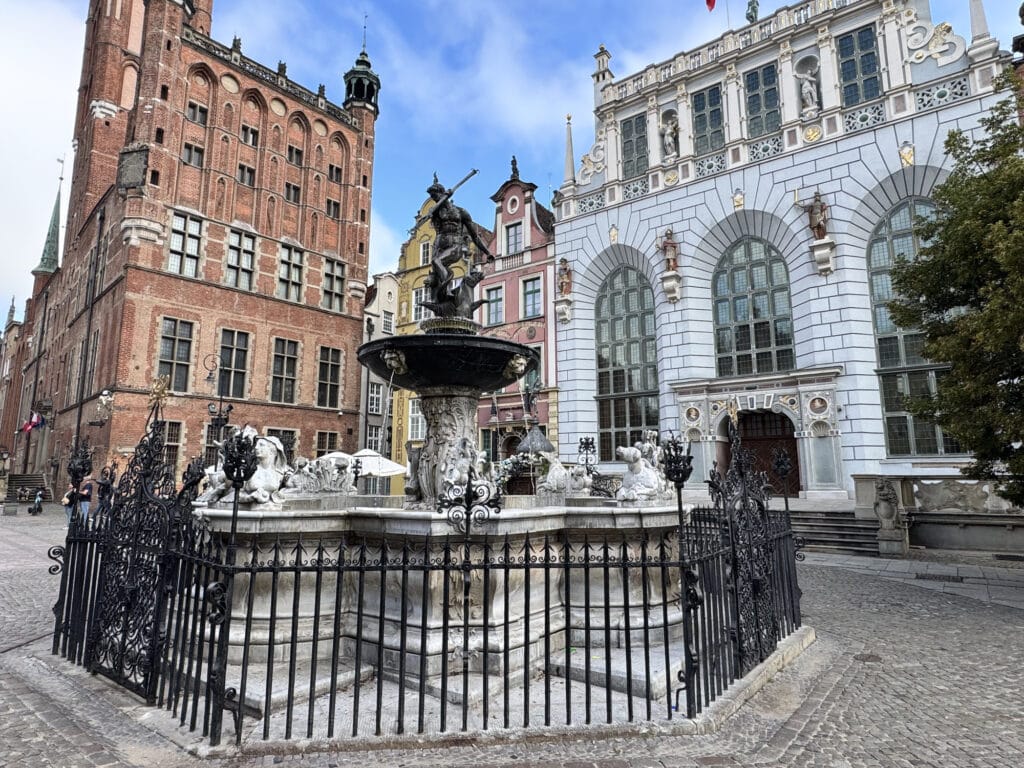
The Main Town was rubble in 1945. Every gable on this square was put back deliberately, one at a time. The city then sent Solidarity into the world from its yards.
Jasna Góra
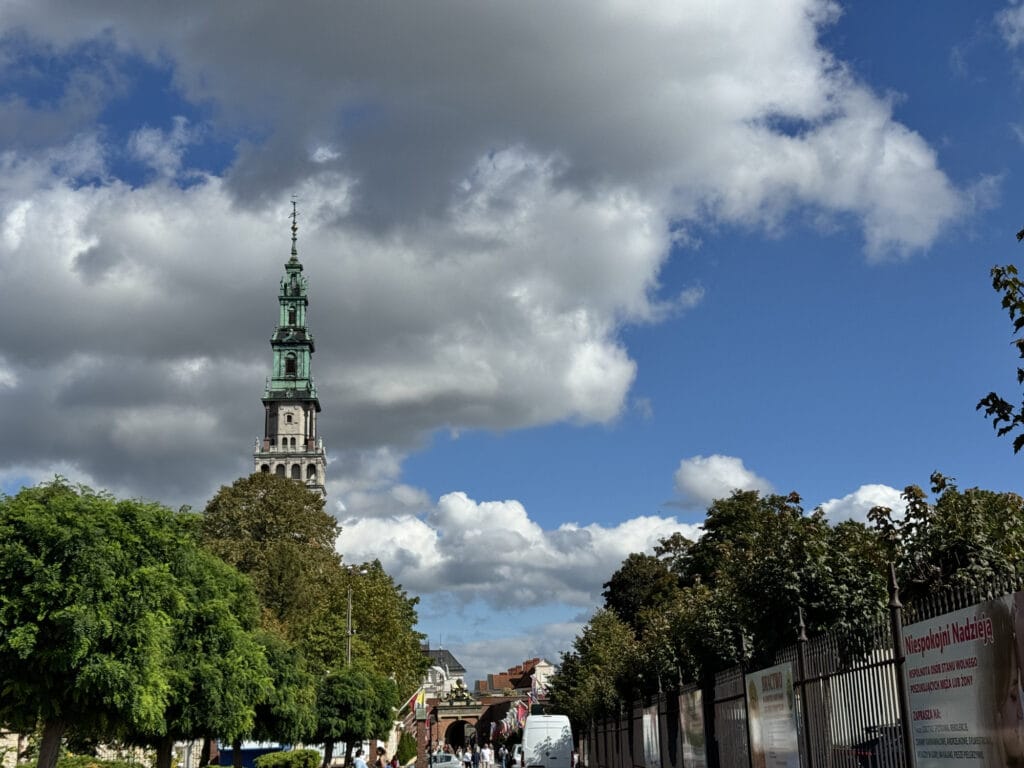
The walls went up to survive a siege in the 1600s and held. Four centuries on it is still the most visited place in the country — most of them arrive on foot.
What to know before you go
The pace is real. Four of the eight nights are one-nighters. Gdańsk gets two, Kraków three. Toruń and Poznań are a few hours each — enough to walk the old town, not enough to sit in it. If you want to linger, this isn’t the shape of trip you want.
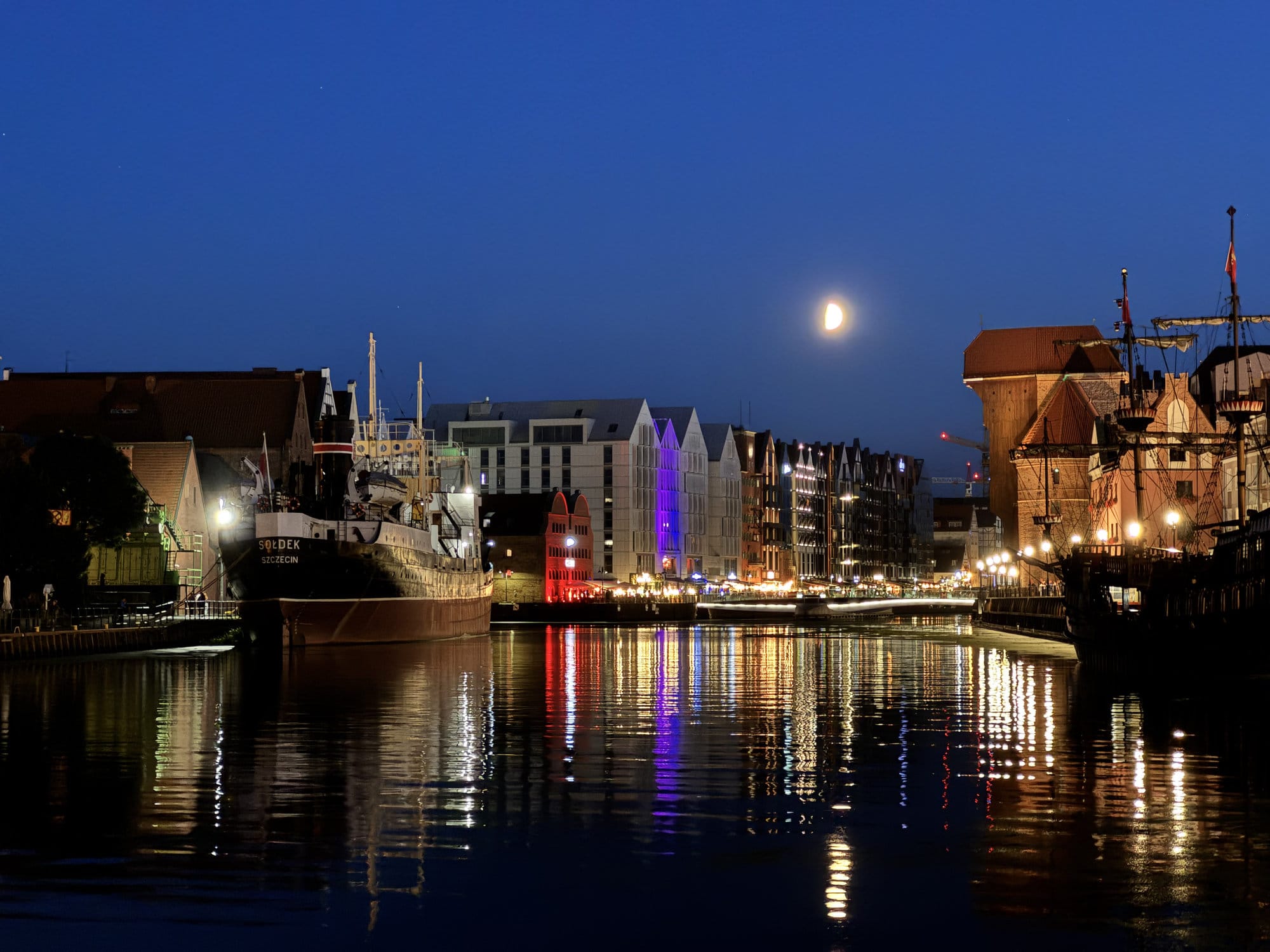
The evenings are yours, and they’re the best part. The best hour we had was after eight on the Motława, with nothing scheduled.
Day eight is Auschwitz-Birkenau, then four hours to Warsaw. It is a long day.
Zakopane is the only mountain day, and the only day that isn’t a town.
Bring an appetite. The cheesecake in Warsaw’s old town came under a drift of dried petals.
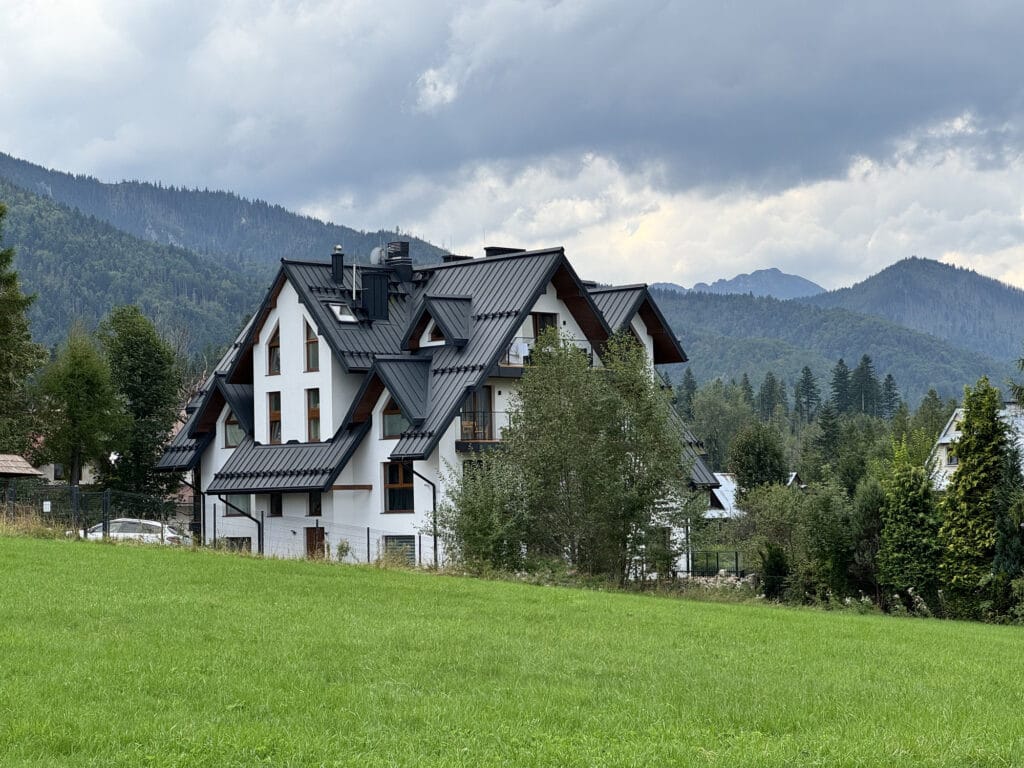
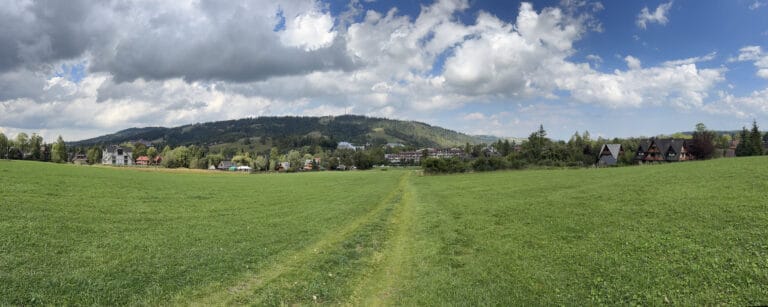
Eight days of towns, and then a field. The tour gives you an afternoon in Zakopane — the shops on Krupówki, the wooden houses, the market. Walk south for ten minutes and it stops being a resort.
Would we do it again
Yes, with one change.
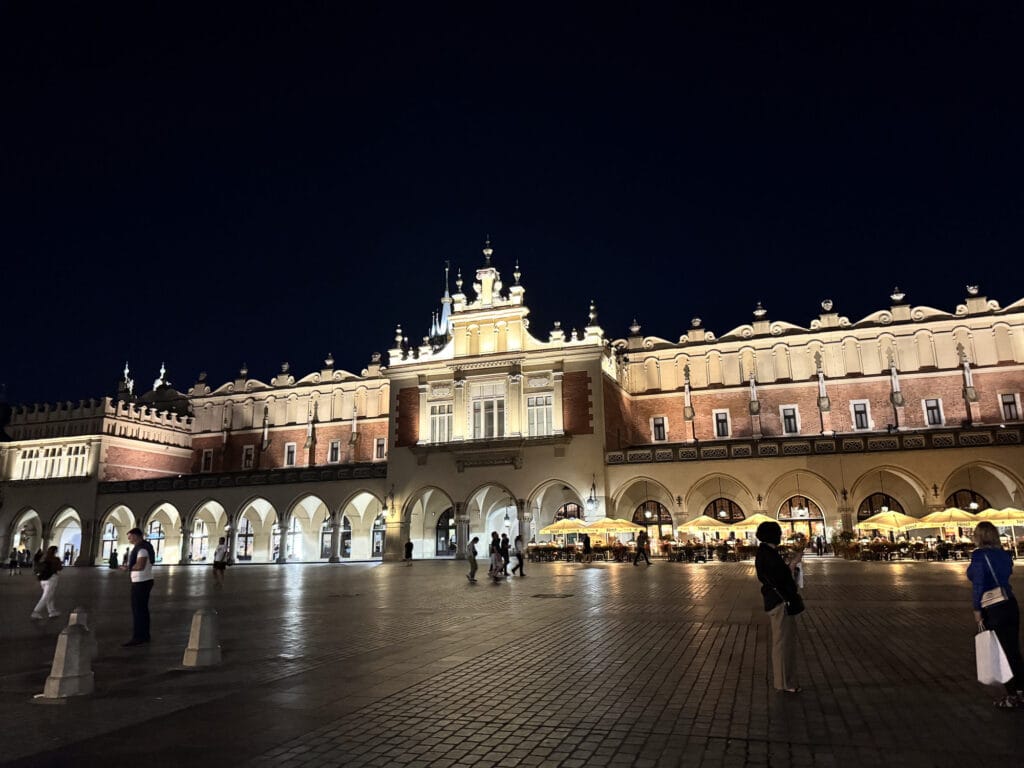
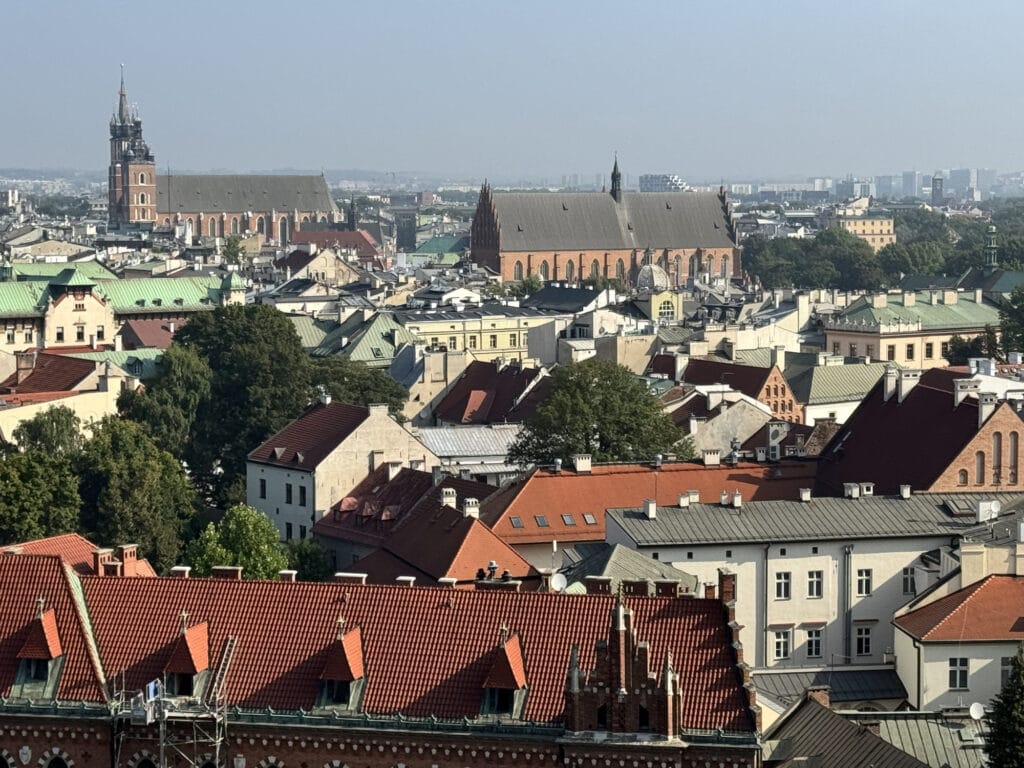
The coach is how you see seven towns in nine days, and seven towns is how you learn the country isn’t one century. Kraków alone won’t teach you that. But we’d give back a stop to get a second night somewhere.
The best thing that happened wasn’t on the itinerary. It was on the calendar. The tour put us in Gdańsk on the first of September; the city did the rest.