
Planning your first safari in Kenya
A Kenya safari is easier to fall in love with than to plan — we know, because we went as first-timers ourselves. We went to Kenya in June 2022 as the people this page is written for: first-timers who had read everything and understood almost none of it. We got the paperwork wrong before we ever left the airport. What follows is the part nobody told us — not the wildlife, which is as advertised, but the shape of the country itself, and what that shape does to a ten-day trip.
These are the reflections behind the three journeys we build — jump to them, or start a conversation.
Kenya isn’t a savanna. It’s a staircase.
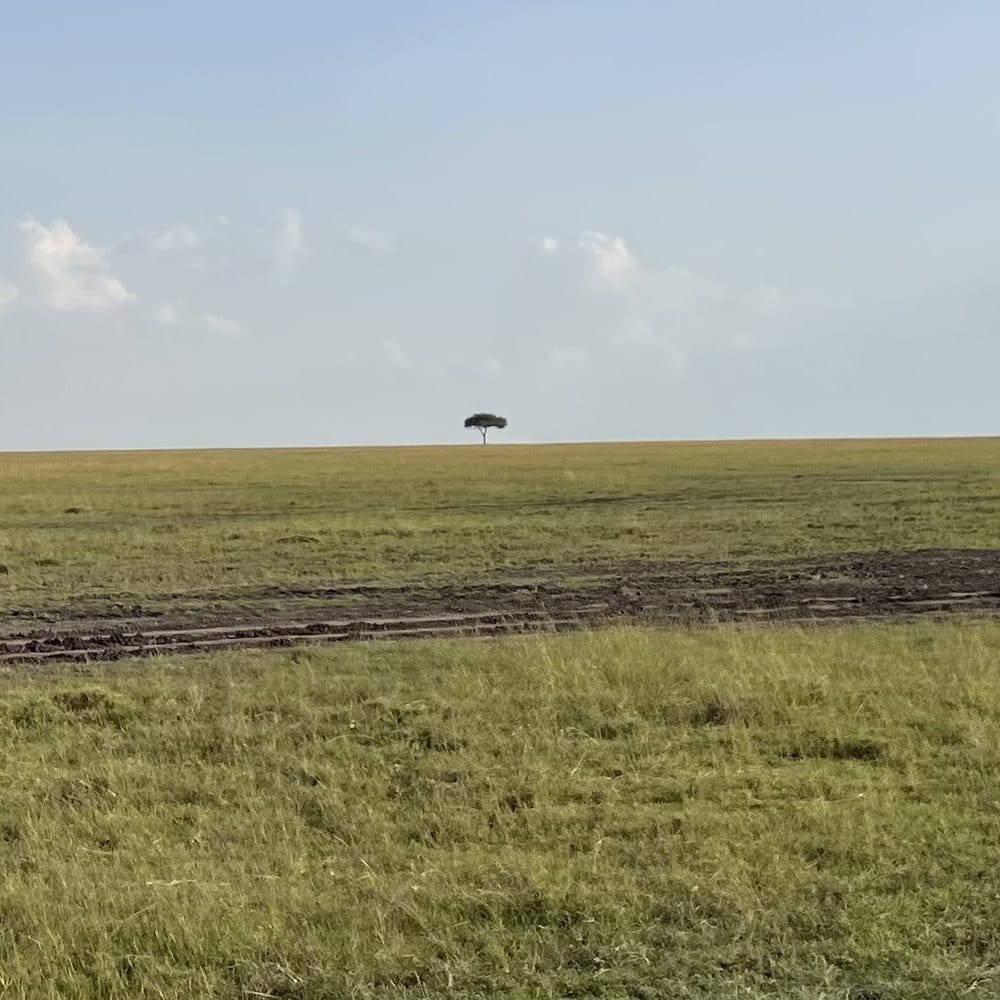
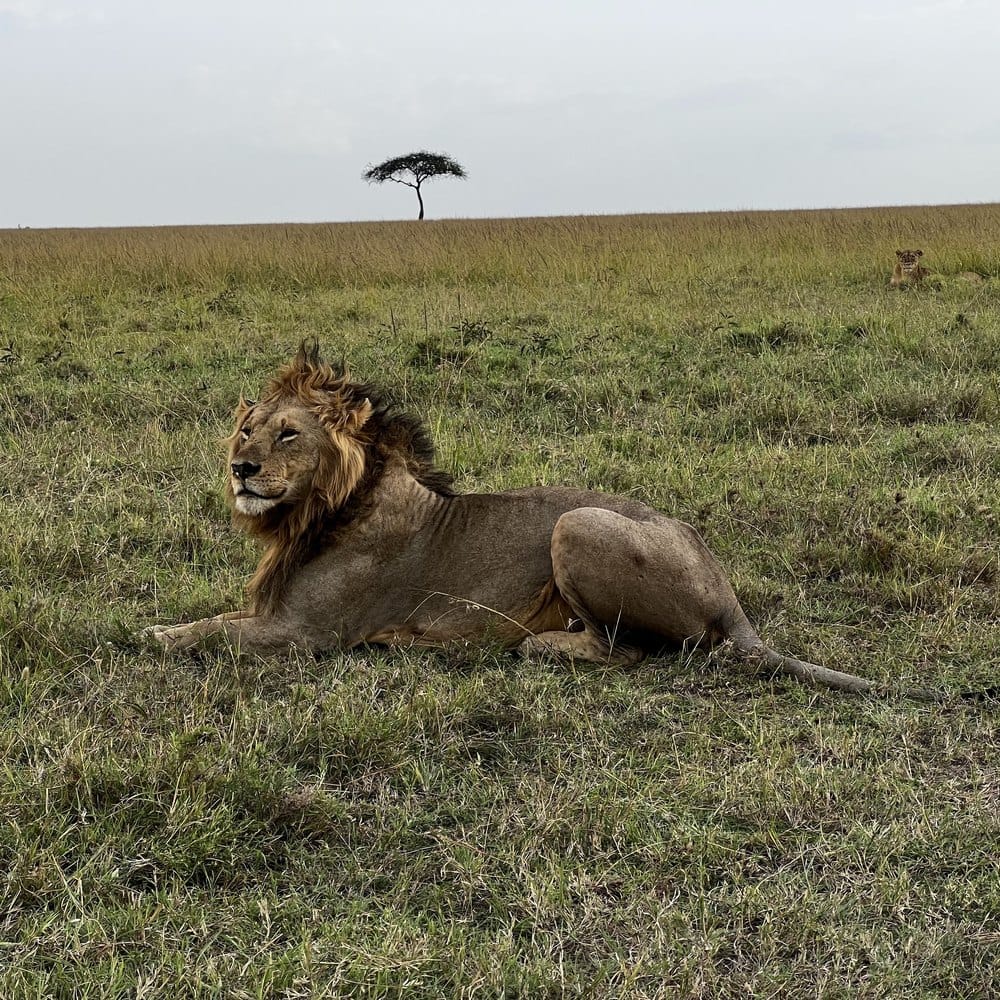
Everyone pictures one landscape. Flat gold grass, an acacia, a lion under it. That picture is real — it just isn’t Kenya. It’s about two days of Kenya.
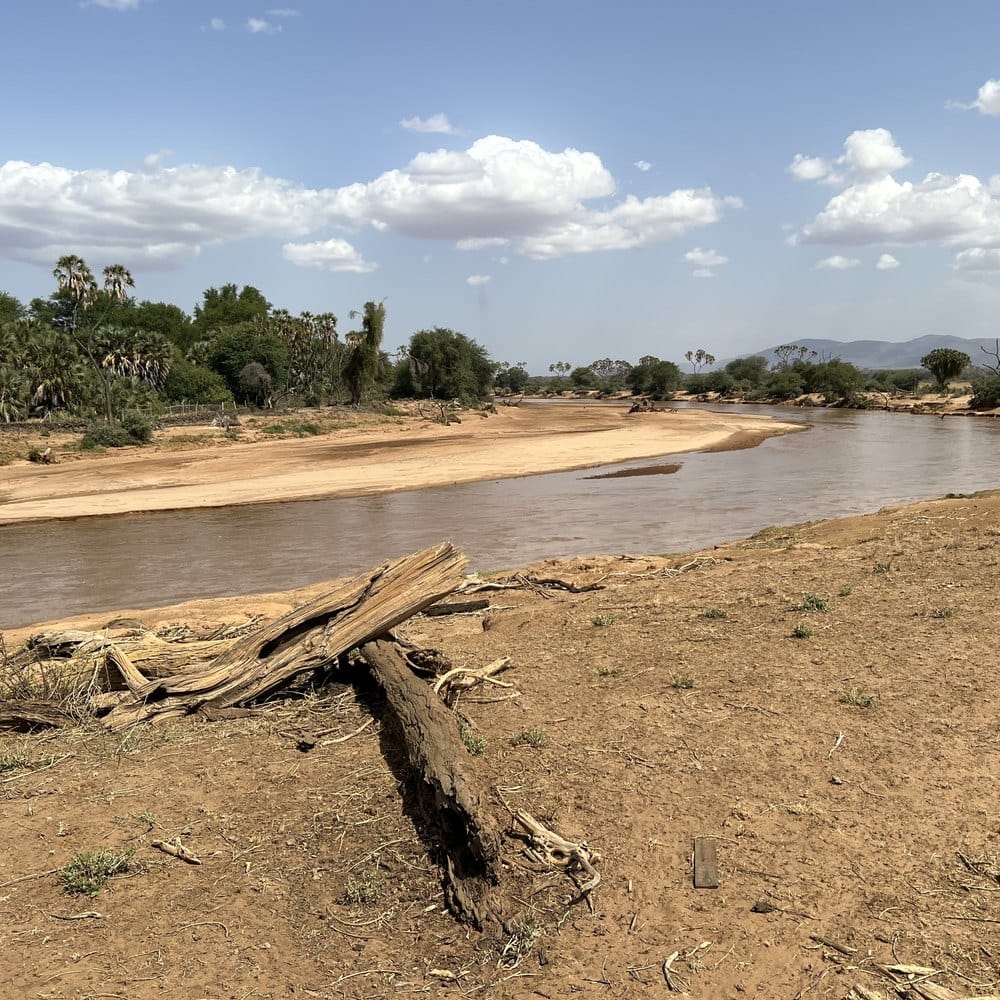
Look at where you actually stand. Samburu, up in the northern frontier, sits at roughly 2,800 feet: hot, dry, thorn scrub and doum palms along a single brown river. The Maasai Mara sits around 5,200. Lake Nakuru is near 5,900. Lake Naivasha is over 6,200 — cool enough at night that you will want the extra layer you didn’t pack. The Equator crossing near Nanyuki, where you stop for twenty minutes and a photograph, is higher than any of them at about 6,460 feet. And if your route takes in the Aberdares, the ground climbs past 10,000.
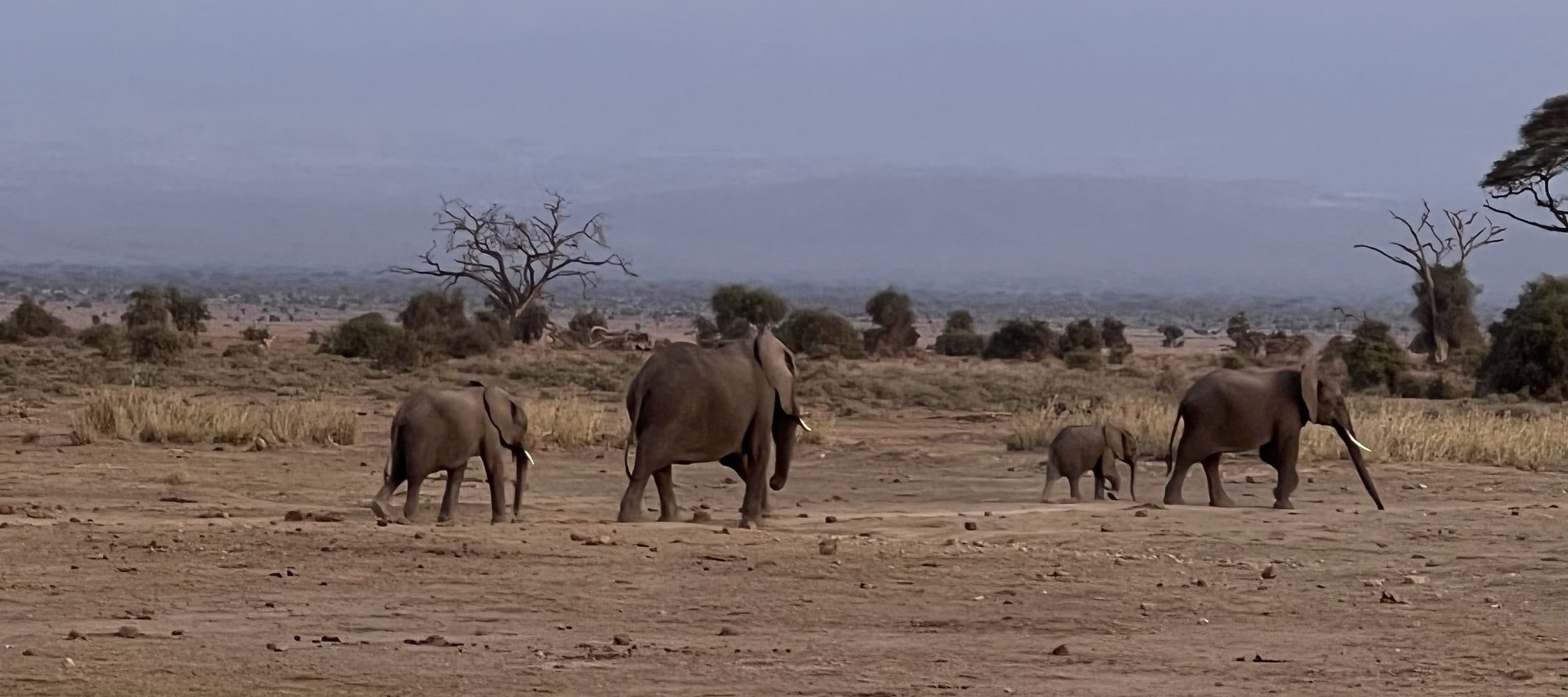
Then there’s Amboseli. You go to Amboseli to see Kilimanjaro — 19,341 feet, the highest thing on the continent. Amboseli itself is at about 3,750 feet. It is nearly the lowest place you will stand all trip. The mountain is enormous because you are low, not because you are close.
So over ten days you swing more than three thousand feet, more than once, and nobody mentions it because no brochure has ever sold an altitude profile. But it decides three things that matter more than the wildlife list.
What the staircase actually changes
You are packing for two climates, not one. The mistake is packing for “Africa.” Samburu in the middle of the day is genuinely hot. Naivasha and Nakuru after sunset are genuinely cold — Rift Valley highland cold, at six thousand feet, in a tent. The same suitcase has to do both. Layers, not weight. The fleece you feel silly putting in the bag is the one you’ll wear.
The drives are long because you’re climbing. This is the number first-timers most want and least often get. A ten-day circuit through the north, the Rift lakes, the Mara and Amboseli is not a series of hops between parks. It is a serious amount of road — you cross the Rift Valley more than once, and you pass back through Nairobi to get from the lakes down to Amboseli. Look at a map and it seems compact. It isn’t, because the map is flat and the country is not. If long driving days are a problem — and past a certain age they honestly are, and there is nothing wrong with saying so — that is a thing to design around before you book, not discover on day four.
Altitude affects how you sleep before it affects how you breathe. None of this is Andes territory; nobody is getting altitude sickness at 6,200 feet. But arriving jet-lagged from the US and then sleeping at six thousand feet is a different first night from the one you’re imagining, and the early game drives start before six.
Before you go: the part we got wrong
Kenya requires an eTA, and it is not optional. We learned this the hard way, at an airport counter in the United States, before we had gone anywhere at all. The system has changed since — Kenya moved from eVisas to Electronic Travel Authorization at the start of 2024 — but the principle is identical and the consequence is identical: without approved authorization in hand, you do not board.
As things stand: every traveler needs one, including infants and children. There is no visa on arrival. The fee is USD 30, paid online. You can apply up to 90 days ahead and you are advised to apply at least three days ahead — apply earlier than that anyway. You’ll need your flight itinerary and your accommodation details to complete it, which means the paperwork can’t be done until the trip is actually settled.
Use the government portal. The official site is etakenya.go.ke. Search engines are full of lookalike sites that will file the same form and charge you a fee on top. Requirements do change; check the portal and the US State Department close to departure rather than trusting any guide, this one included.
The north is the part people skip
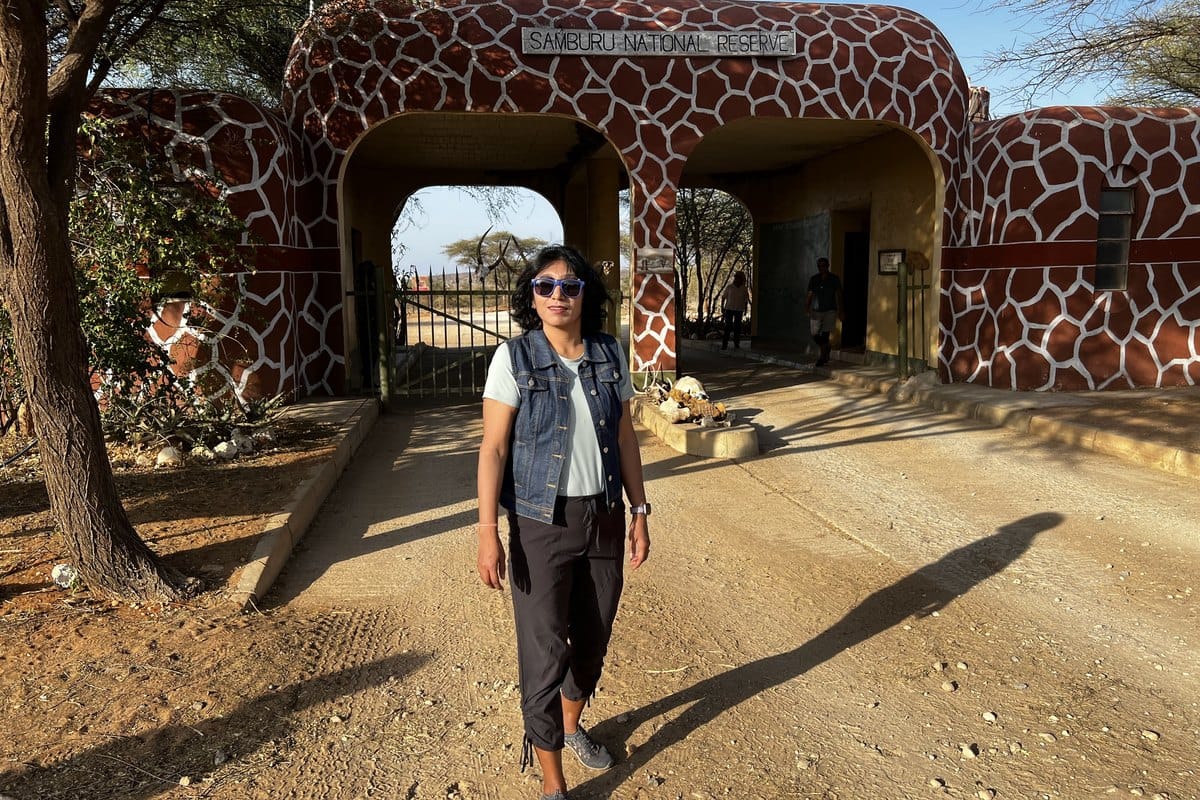
Samburu is five hours past the Equator and it looks nothing like the postcard. Dry riverbed, thorn, palms. The animals are different animals — Grevy’s zebra, reticulated giraffe, the oryx, the gerenuk standing on its hind legs to reach the thorn. Most first itineraries leave it out to save a day. It was the part we’d go back for.
The Rift lakes are not filler
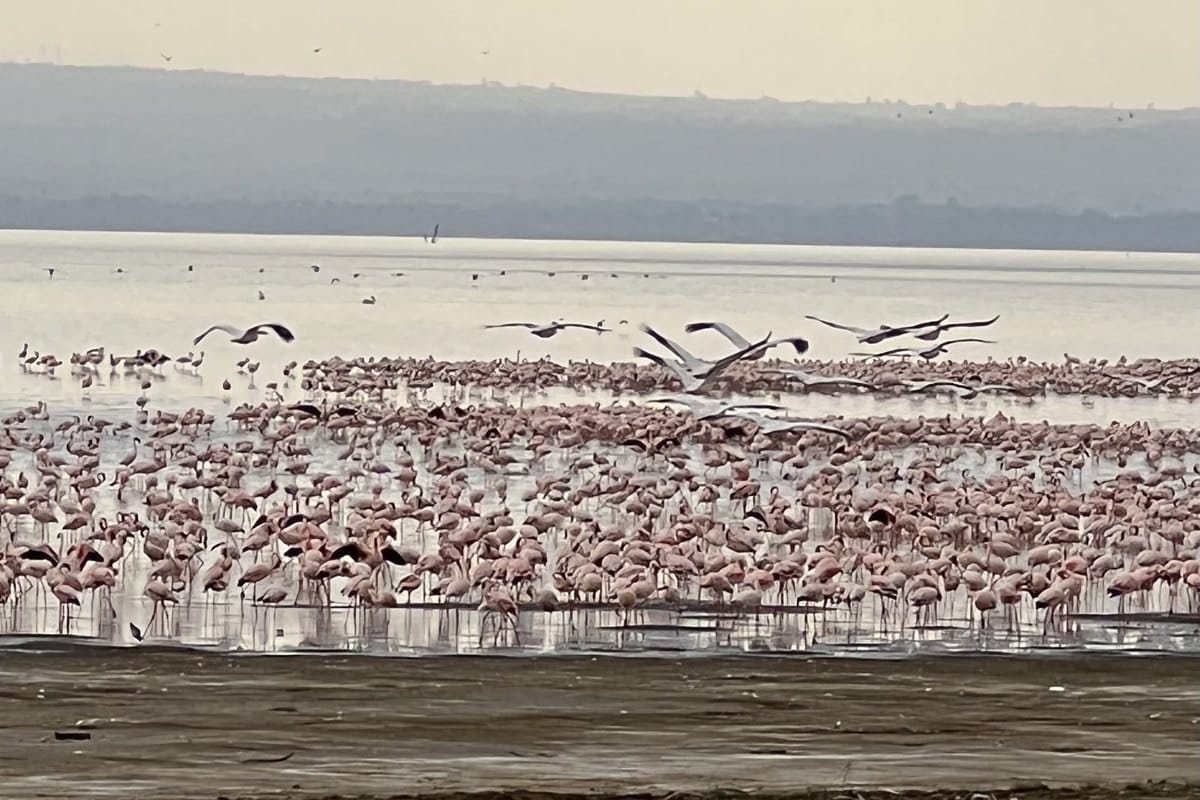
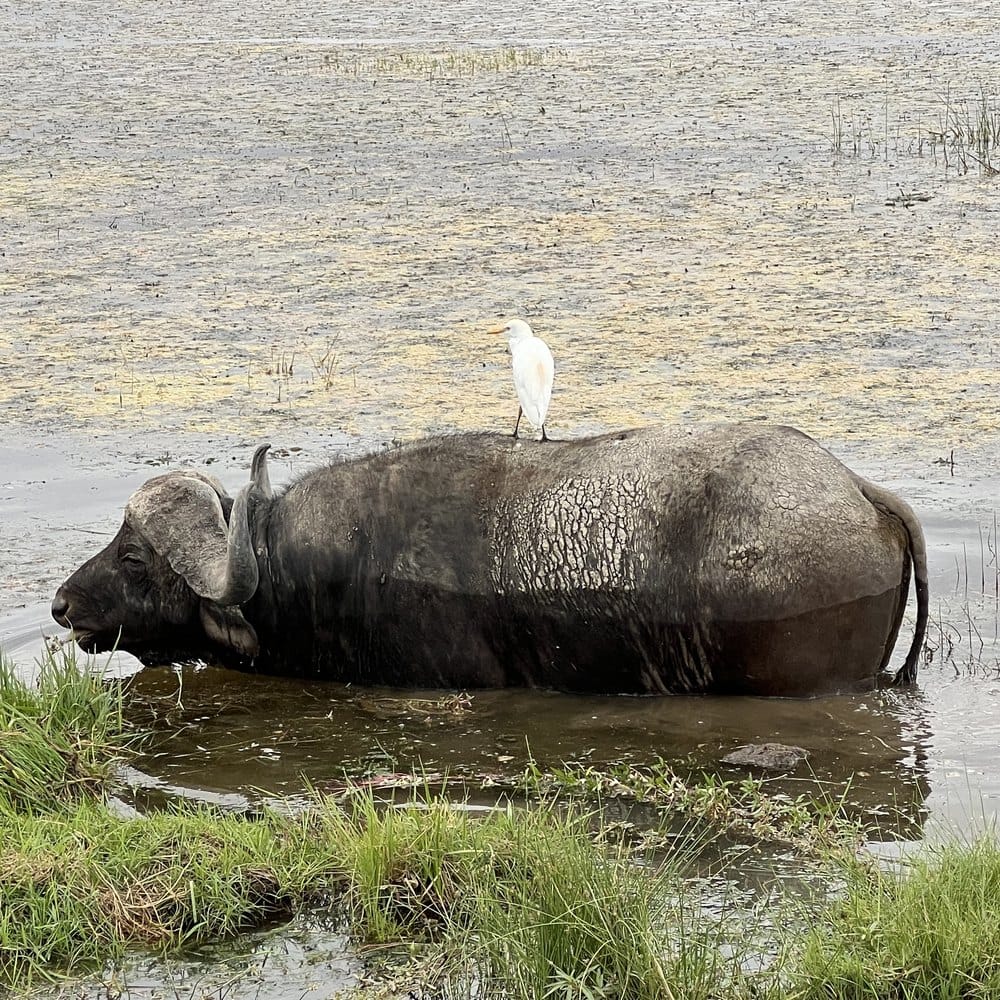
Nakuru and Naivasha tend to get sold as what you do between the good bits. They’re the high ground, they’re where the birds are, and Nakuru is one of the more reliable places in Kenya to see rhino. They also break up the driving, which by then you will care about.
The Mara earns it
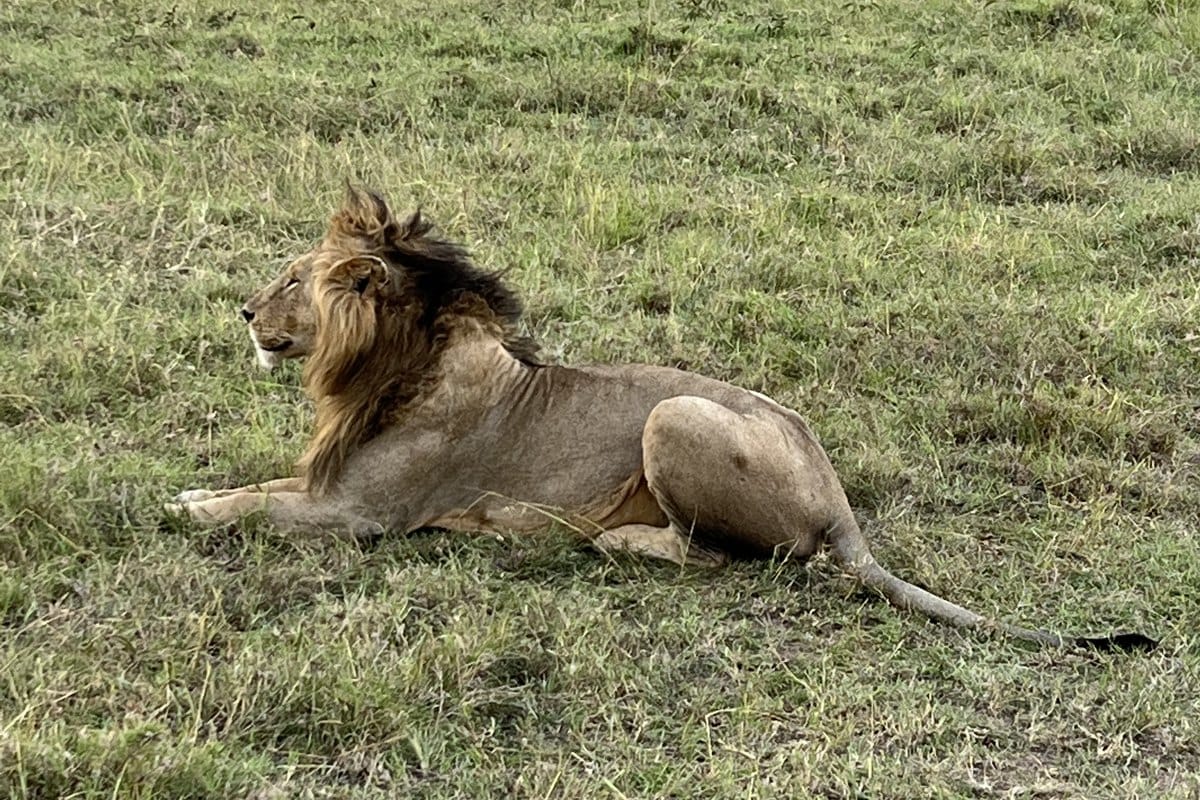
It deserves the reputation. The cats are there, the plains go on past what a photograph can hold, and no amount of having seen it on television prepares you. Give it more than a night and a half. Everything else on this page is about protecting the days you spend here.
If this is the trip you’re picturing, here’s how we shape it
Ten days, four altitudes
The trip as our own photographs record it — each frame’s height read off the camera, in the order the ground rises.
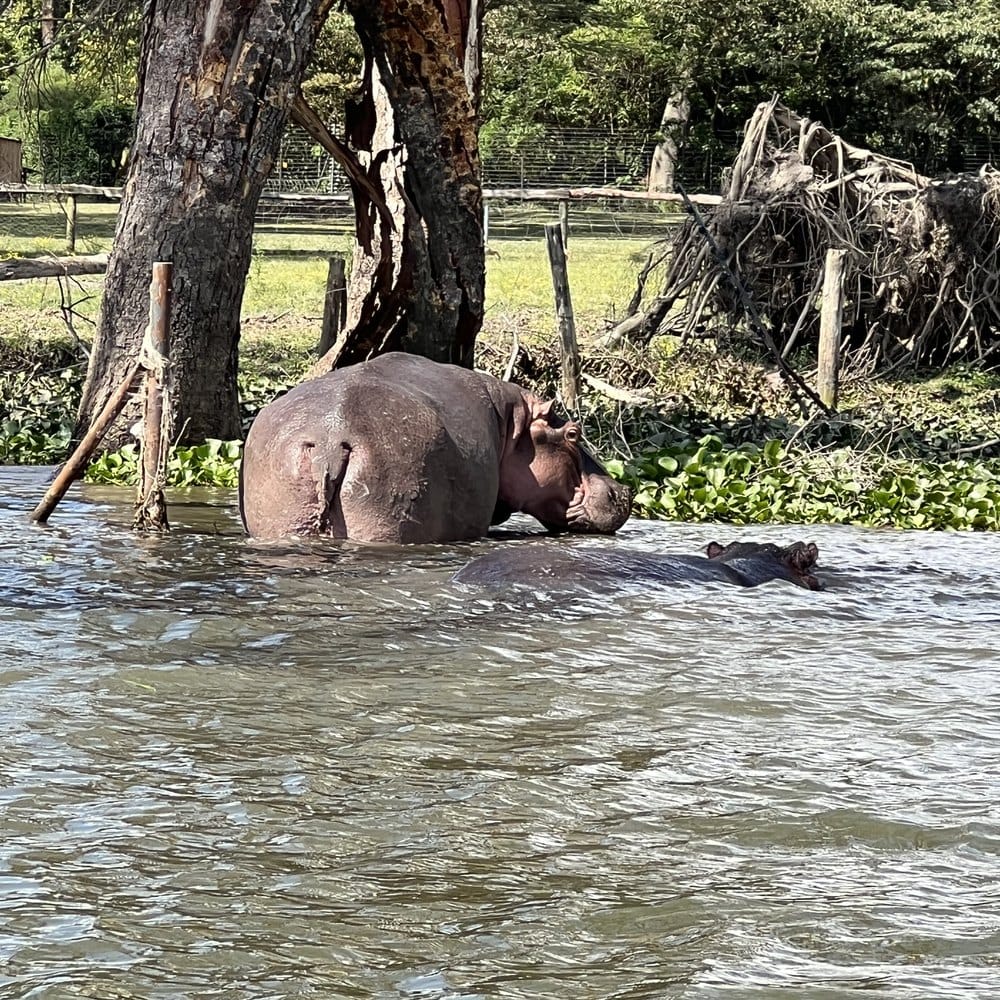
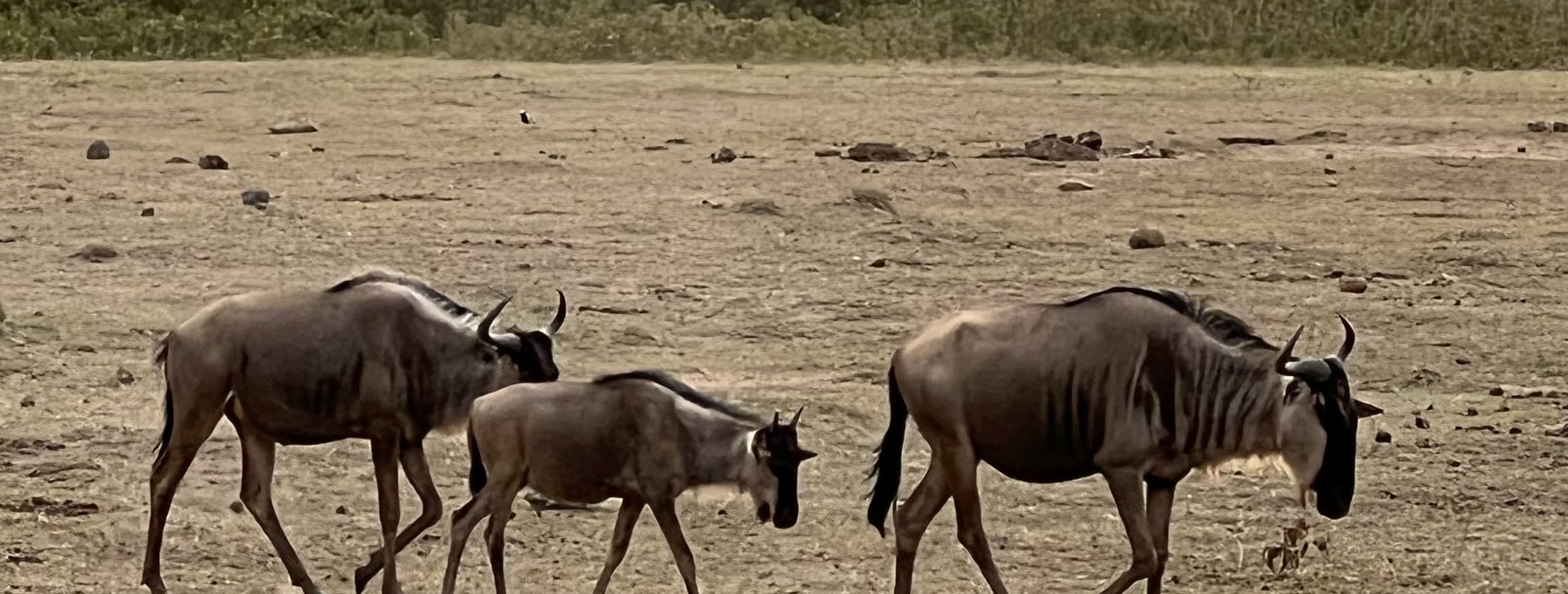
The journeys we build
Everything above is why these are shaped the way they are — three journeys, shortest to longest.
The Nine-Day Explorer
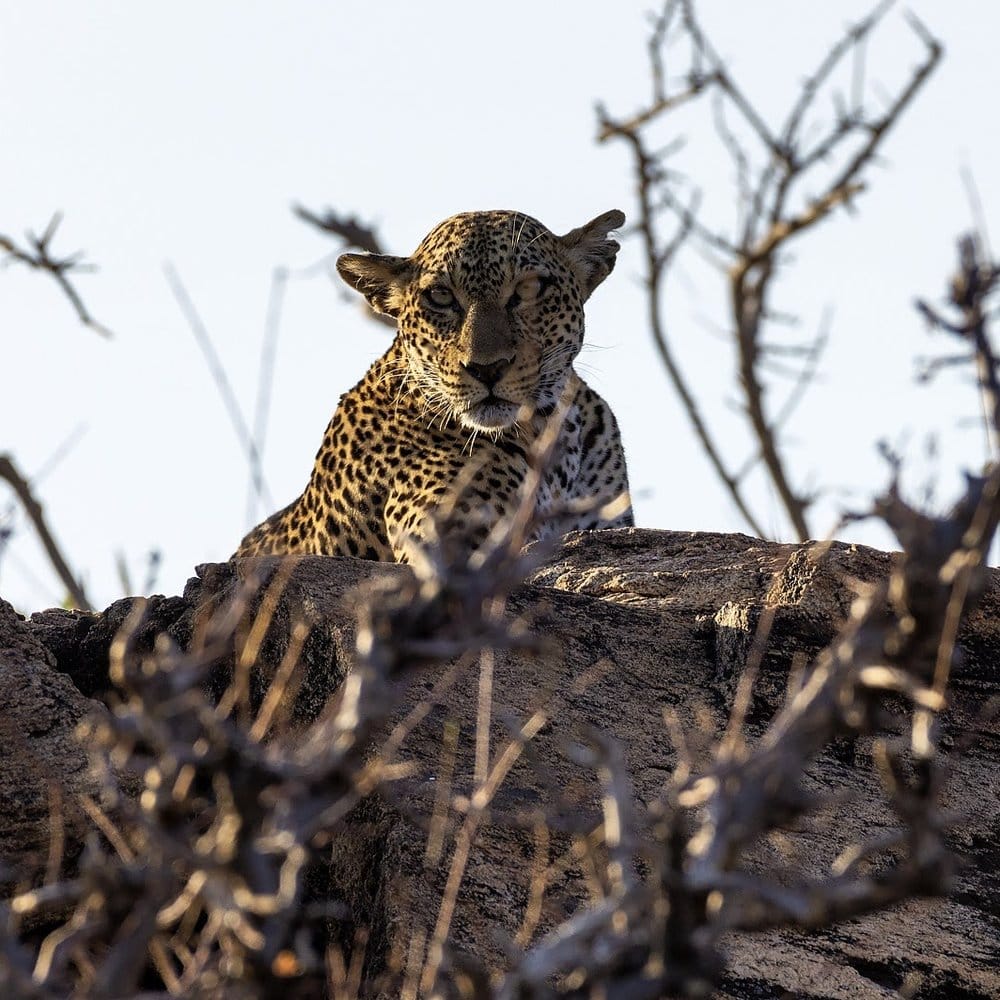
Samburu · Nakuru · Lake Naivasha · Maasai Mara · 9 days
From $5,389 per person for two, or $4,322 when four share a vehicle
The Nine-Day Signature
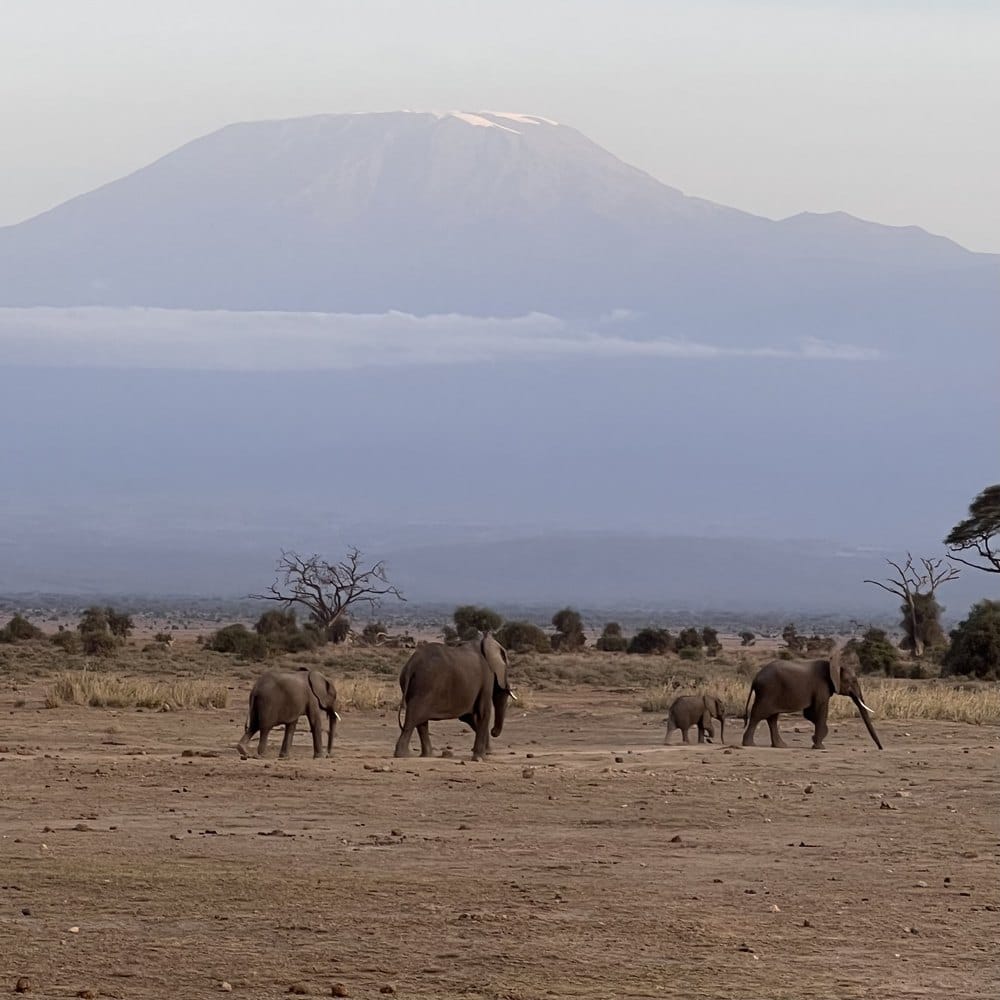
Amboseli · Lake Naivasha · Lake Nakuru · Maasai Mara · 9 days
From $5,310 per person for two, or $4,217 when four share a vehicle
The Six-Day Classic
Lake Nakuru · Maasai Mara · 6 days
From $3,245 per person for two, or $2,540 when four share a vehicle
If you’re thinking about it
We planned our first Kenya trip the way most people do — from a screen, at a distance, with no idea which questions were the ones that mattered. It worked out. It would have worked out better with someone in our own time zone who had already stood on that ground and could tell us that Samburu is hot and Naivasha is cold and the drive is longer than the map says.
That’s what Wesley Chapel Travel is. We’re a US-based safari concierge, and East Africa is what we do. If you’re starting to think about a first trip, start with a conversation — no obligation, nothing to sign, just the questions you don’t yet know to ask.
Ready to find your moment? Plan Your Journey with Wesley Chapel Travel, or start a WhatsApp chat.