
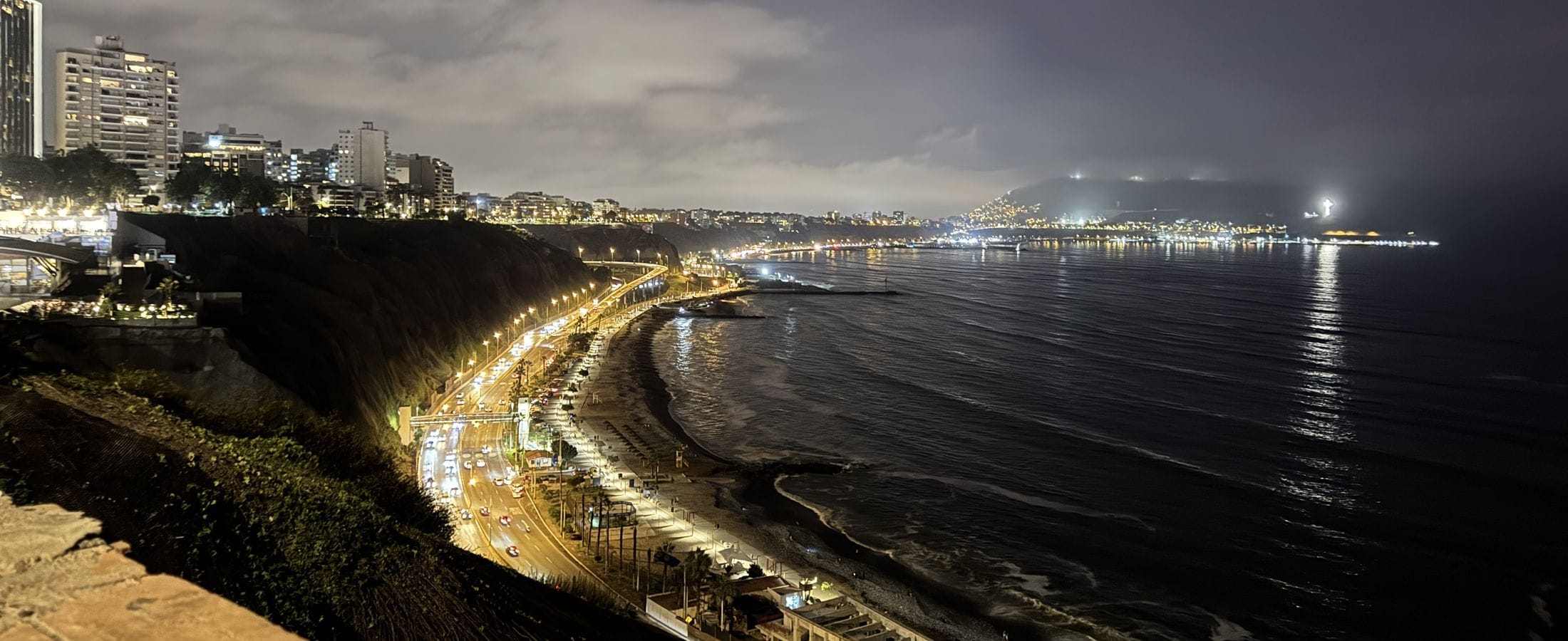
Peru
Everyone plans Peru around Machu Picchu. On our own trip, Machu Picchu was the lowest place we stood all week — about three thousand feet below the city we flew into. The mountain everybody worries about is not the one that catches you.
I went in March 2026 with my husband. We booked the mass-market version — an escorted group tour, a coach, a tour manager, thirty people we had never met.
I want to say that plainly, because I learned more about how to plan Peru from doing it that way than I would have from doing it perfectly. Some of it was genuinely well built. Some of it I would never sell to you.
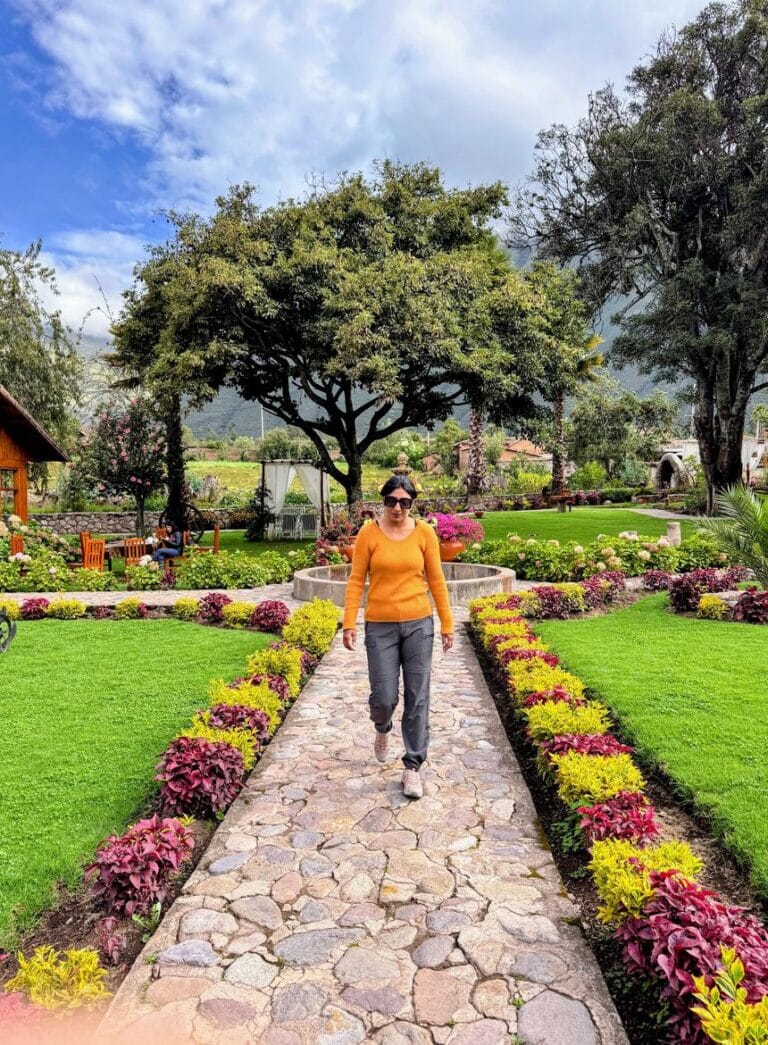
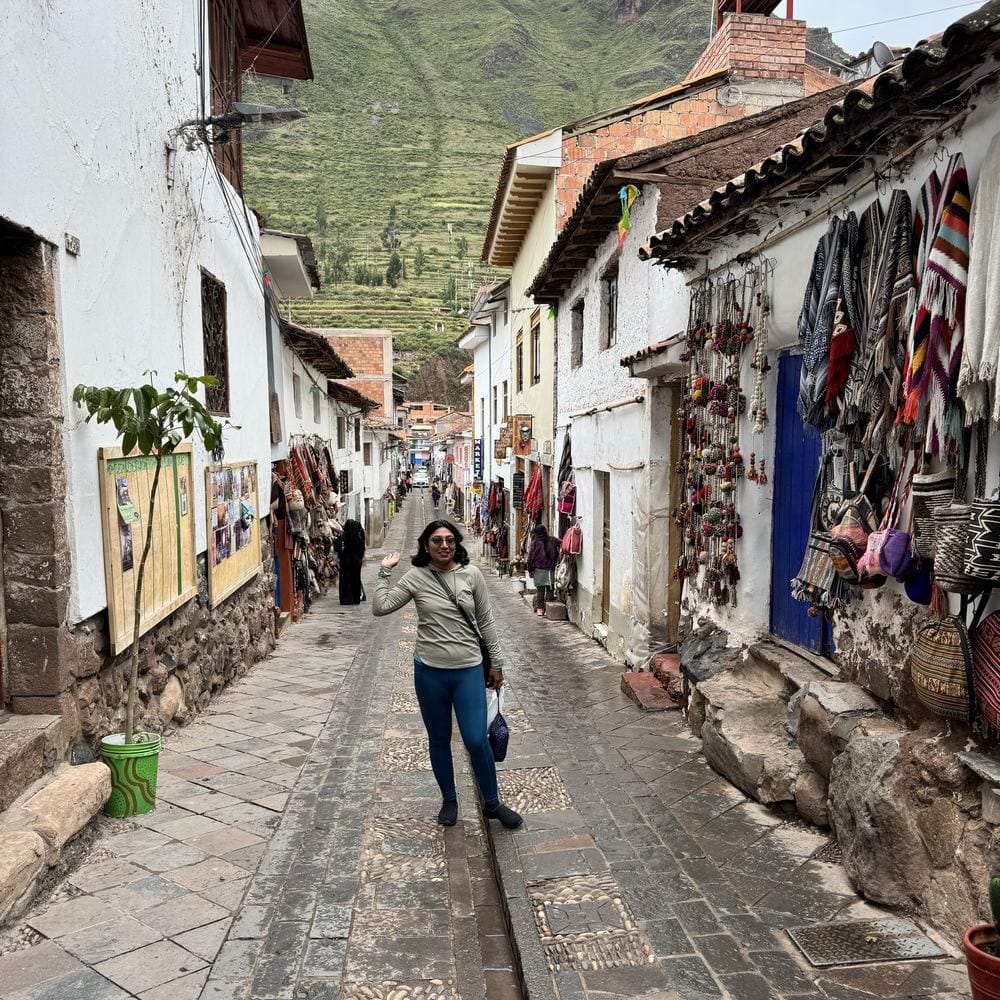
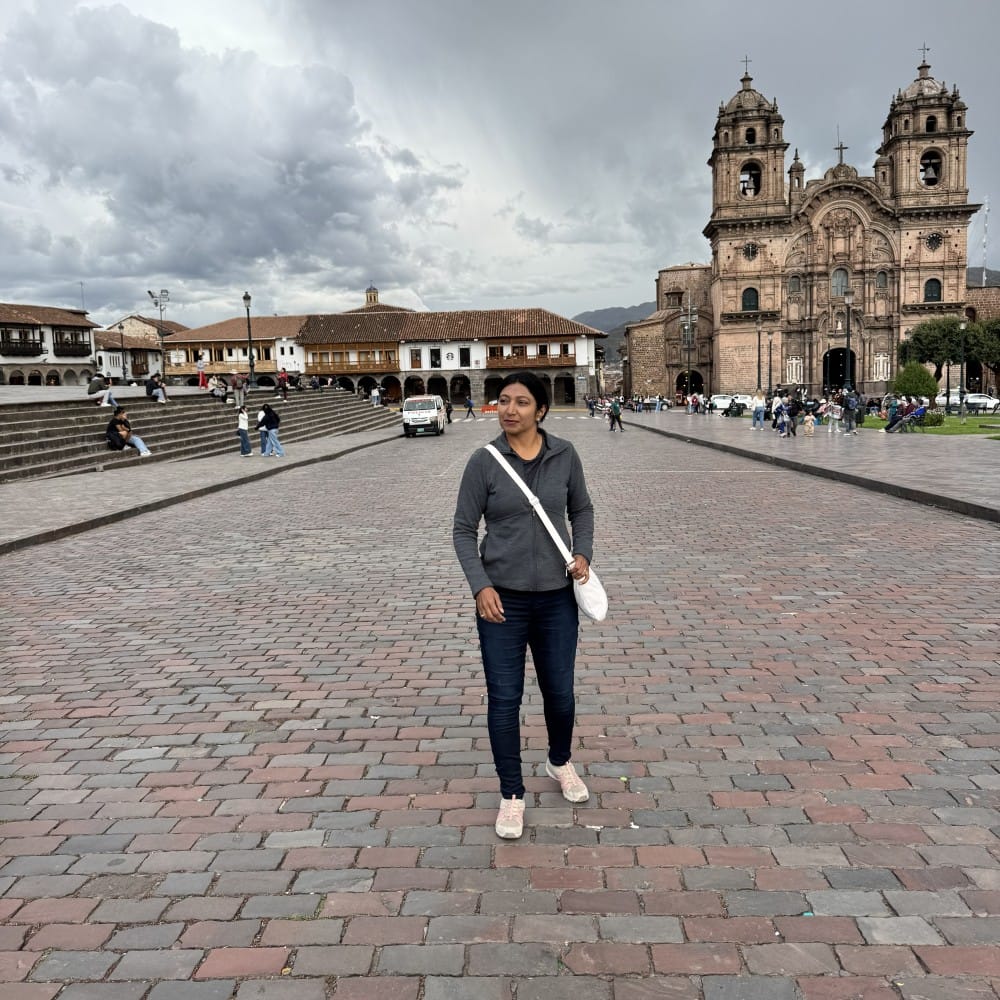
The picture is day two. We were down in the valley, I felt perfectly well, and I was quietly pleased with myself about it — as though not being ill were an achievement. It wasn’t. It was the order we happened to be travelling in, doing me a kindness I hadn’t asked for and hadn’t noticed. It took me the rest of the week to work out what it was.
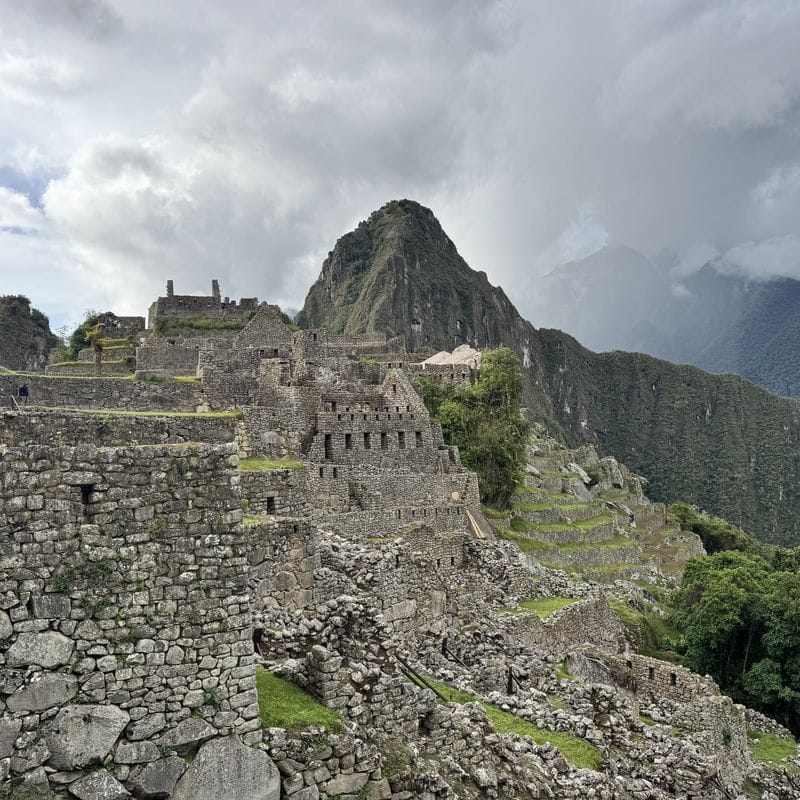
Nobody tells you that Machu Picchu is the low point
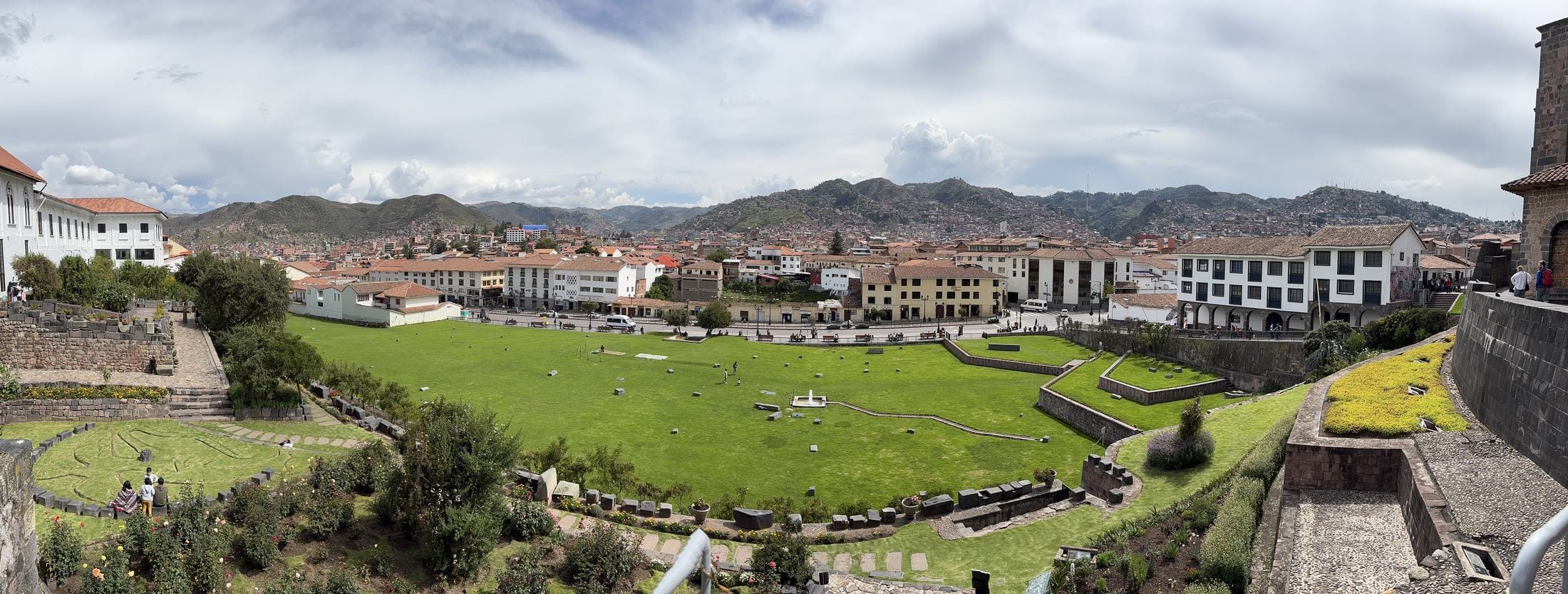
Machu Picchu sits at about eight thousand feet. Cusco sits at about eleven thousand one hundred and fifty. The old fortress on the hill above Cusco is higher still, and the road above that is higher again — that road was the highest we went all week, and we drove it on our last afternoon.
So the place you have been quietly worrying about for a year is the gentlest thing you will do in the Andes. The altitude is not at the citadel. It is in the city with the airport, the restaurants and the cathedral — the part nobody frets about, because it looks like a city break.
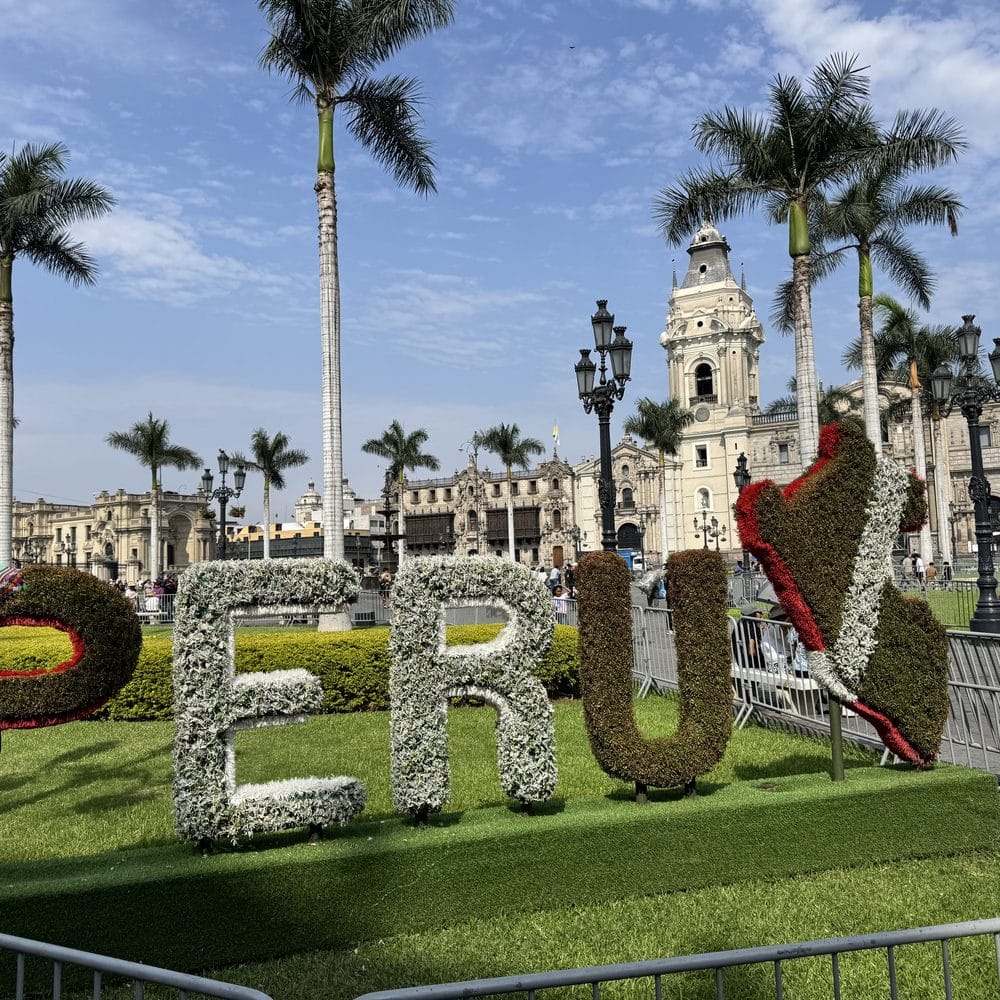
Our route went Lima at sea level, then the Sacred Valley at about nine and a half thousand, then down to the little town below the citadel at under seven, and only then Cusco, for the last two nights. Highest point, reached last, after four nights of climbing and dropping and climbing again. That is textbook practice — climb high, sleep low — and I genuinely do not know whether it was designed that way or arrived at by accident.
I do know what happens when you skip it. You fly Lima to Cusco, you sleep at eleven thousand feet on your first night, and you spend two of your seven days in a hotel room, at the highest point of your entire trip, before you have seen anything at all.
And it still found me. Not badly, and not until Cusco — the fourth night, the top of the ladder. I was short of breath on the hills, and Cusco is a city made almost entirely of hills. I did not sleep well for two nights. That is the honest version. Done in the right order, altitude is manageable. It is not nothing.
What actually surprised me about Machu Picchu
Not the citadel. I had seen that photograph a thousand times before I ever stood there.
What surprised me is that the photograph leaves something out. It shows you ruins on a ridge. It does not show you that you are standing in a bowl — that there are green mountains stacked up on every side of you, and that all of them are higher than you are. They call to you. You keep turning round to look at them instead of at the thing you came for.
And that, in the end, is the whole point. The reason it looks like that is the reason it is kind to you. Machu Picchu is beautiful because it sits down in a hollow with the mountains standing over it. The view and the easy breathing are the same fact.
How Milli plans it
The order is the plan. Anybody can list the same five places. The sequence is the whole thing, and the sequence is a health decision before it is a sightseeing one. I build Peru from the elevation profile backwards and fit the sights to it.
Cusco goes at the end. It is the highest place you will sleep and the easiest to get wrong, because it is where the plane lands. Flying in and staying put is the default, and the default is what puts people in bed for two days.
The day that says “at leisure” is the day to ask about. On our trip the free day in Cusco was a blank square on the printed itinerary — and both halves of it were sold to us afterwards, one of them in cash we had to be carrying. A free day is fine. A free day you have not been told about is a bill you have not been shown.
Machu Picchu is an afternoon. Roughly three hours at the ruins, on a seven-day trip. Plan the other six days as though they matter, because they are most of what you are buying. And where you sleep at altitude does more for your week than any single sight — which is a large part of how I choose hotels.
What a journey can look like
The Sacred Valley, first
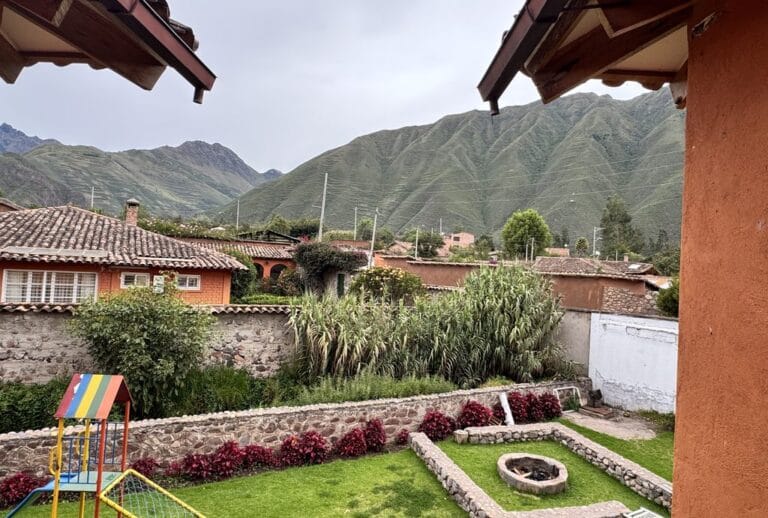
Land, and go down and out rather than up and in. The valley sits comfortably below Cusco, and it is where the country stops being a photograph and starts being a place — terraced hillsides, a market town, a river, and air you can actually breathe on day one.
Machu Picchu, unhurried
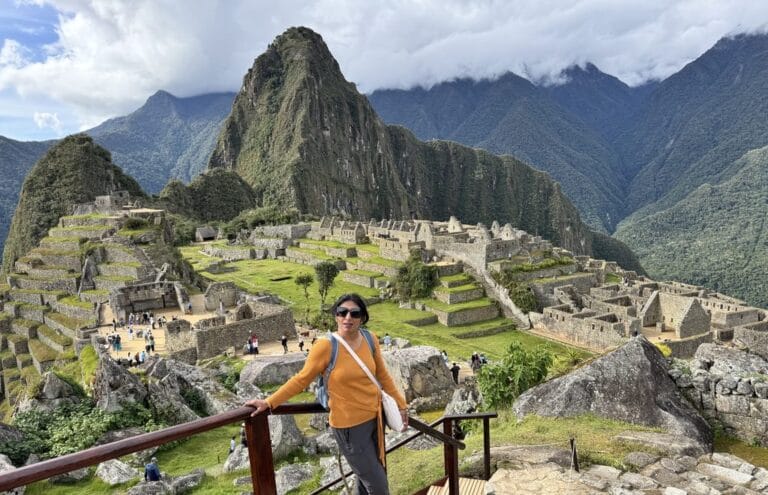
The citadel deserves more than a coach window and a countdown. Going in low and staying the night nearby turns the visit from a dash into a morning — and it is the easiest part of Peru on your body, which is not what anybody expects.
Cusco, last
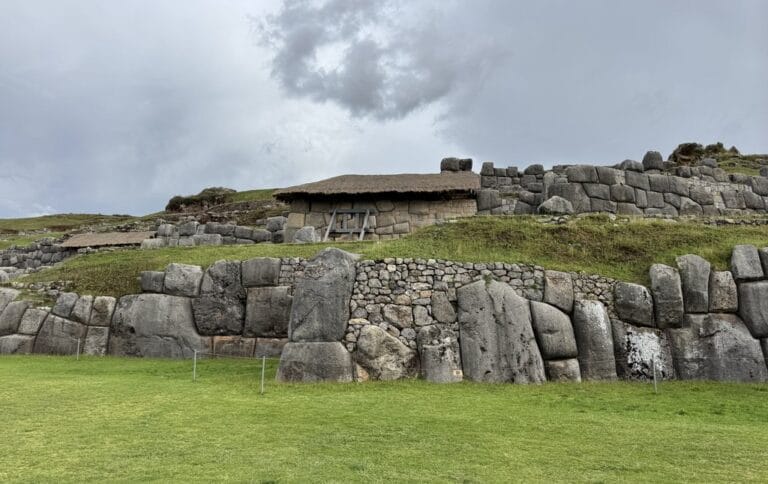
Save it. By the time you arrive you have four nights of altitude behind you and the city is a pleasure instead of an ordeal. It is steep, it is beautiful, and it deserves better than being the place you were ill.
The ladder, from her own phone. Captions are place and elevation:
Honest guidance
March is a real answer, not a compromise. We went at the tail of the wet season. It is green, it is dramatic, it is quieter and it costs less — and the citadel can sit in cloud for an hour and then not. If you need a guaranteed blue-sky photograph, go in the dry season and pay for it. If you would rather have the place to yourself and take the weather as it comes, the shoulder is underrated.
The altitude is a sleep problem before it is anything else. Nobody warns you about that part. You expect to be out of breath — you do not expect to lie awake. Build a soft morning into your first day in Cusco and do not schedule anything you would be sorry to do badly.
The train has a luggage limit and it is small. One bag, about eleven pounds. You pack an overnight bag and your suitcase waits for you. Nobody mentions this until it is a problem on a platform.
There is a walk you are not told about. Getting to the train can mean a little over a mile on uneven, unpaved ground, carrying that bag, because heavy vehicles cannot reach the station. Twenty minutes. It is fine — if you knew.
The departure is brutal. Ours left the hotel around four in the morning for a breakfast-time flight. That is the last day of your holiday and it should be in the brochure in the same size type as the sunset.
From Tampa, Peru is a Miami trip. Four hours down and four hours back, and the drive is part of the journey whether or not the itinerary counts it. We landed mid-afternoon and drove home into the evening. Worth planning for rather than discovering.
If Peru is on your list and you would like it built in the right order, I would love to hear from you.