
Ecuador & the Galápagos
Planned by an Advisor Who’s Been There
In December 2023, Milli and Sanjay spent nine days in Ecuador — three in Quito and the highlands, five in the Galápagos, and a final night back on the mainland before flying home. Two adults, no children, over Christmas and New Year.
She has walked the boardwalk out to the Bartolomé summit. She knows what nine thousand feet does to a person on their first afternoon in Quito, because she gave it three days before going higher. She has taken the five o’clock pickup for the island flight, and stepped off a dinghy onto wet lava.
That is the whole basis of this page. What follows is what she’d tell you on the phone tomorrow — not because she read it somewhere, but because she did it, and some of it she would do differently now.
The Part Nobody Tells You
There are two ways to see the Galápagos, and most people have already paid for one of them before anyone explains the difference.
You can sleep on a boat and wake up somewhere new — which reaches islands a day boat will never touch, and hands you the whole logistical problem in a single decision. Or you can base yourself in a town on Santa Cruz and go out and back each day, which trades that reach for a real bed that doesn’t move, a town to walk around in the evening, and the freedom to change your mind mid-week.
Milli went island-based. She hasn’t done it the other way, and she won’t pretend otherwise. What she can tell you is exactly what island-based gave her and exactly what it cost her — the early starts, the islands she didn’t reach — which is a more useful conversation than a brochure comparison written by someone selling one of the two.
The second thing nobody mentions: Quito sits at over nine thousand feet. Most itineraries land you there in the evening, give you one night, and put you on a mountain or a plane the next morning. Altitude sickness is common, it is genuinely unpleasant, and it does not clear in an afternoon. It can take the first third of a trip you waited years for.
How Milli Plans it
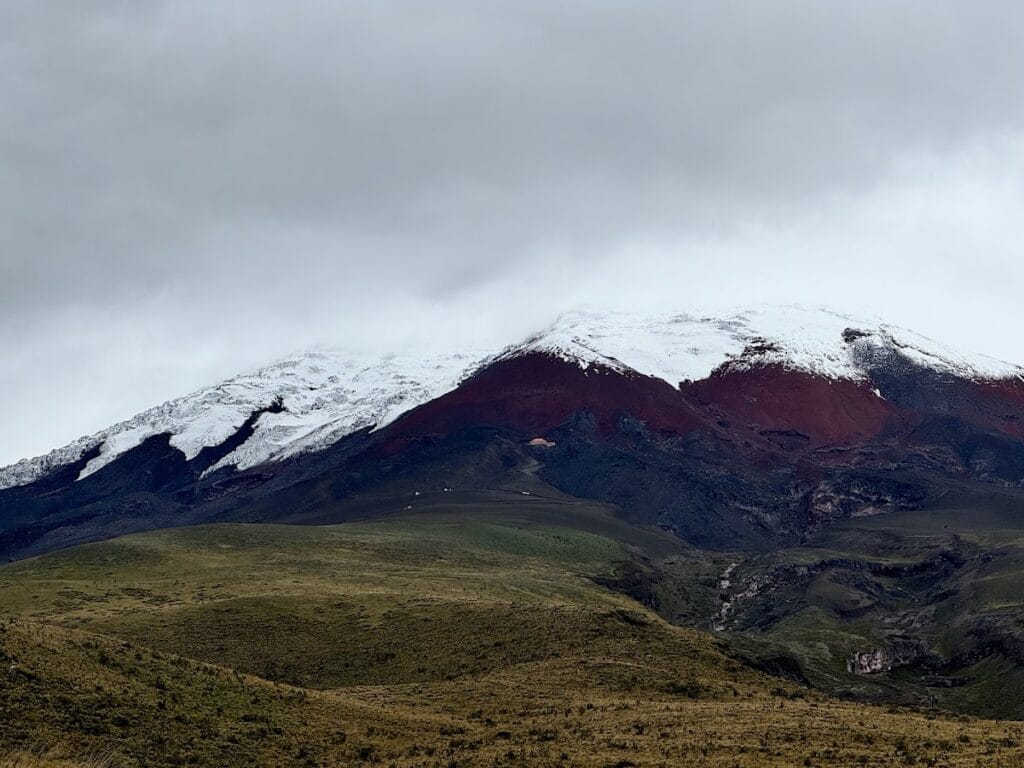
She gives the altitude its time. Three nights in Quito before going anywhere — city and the Equator line on the second day, the full day at Cotopaxi on the third, higher still. By then the body has had a chance. This is the single easiest thing to get right and the most commonly skipped, because it costs two nights that don’t photograph well.
She books the last night by the flight, not by the map. Coming back from the islands, they landed at Quito’s airport in the late afternoon and flew home the next morning. The obvious move is a hotel in the city — and it’s the wrong one: it means an hour into town, then an hour back out again before dawn, for a bed you’ll be in for six hours. They stayed near the airport instead. It reads like a small thing. On the last day of a nine-day trip, with bags packed and a long flight ahead, it is not a small thing.
At WCT this now has a name — flight-dependent departure care — and it’s a standing part of how Milli plans. She was doing it by instinct four years before it was written down.
She puts dietary needs in writing, in advance, to the people on the ground. Not mentioned at check-in. Passed to operations before arrival, so it’s on the file before anyone lands. It worked on her own trip. It’s how she does it for clients.
What a Journey Can Look Like
Not an itinerary — a shape. Yours would be built around what you actually want, and how much walking you want to do.
The Highlands
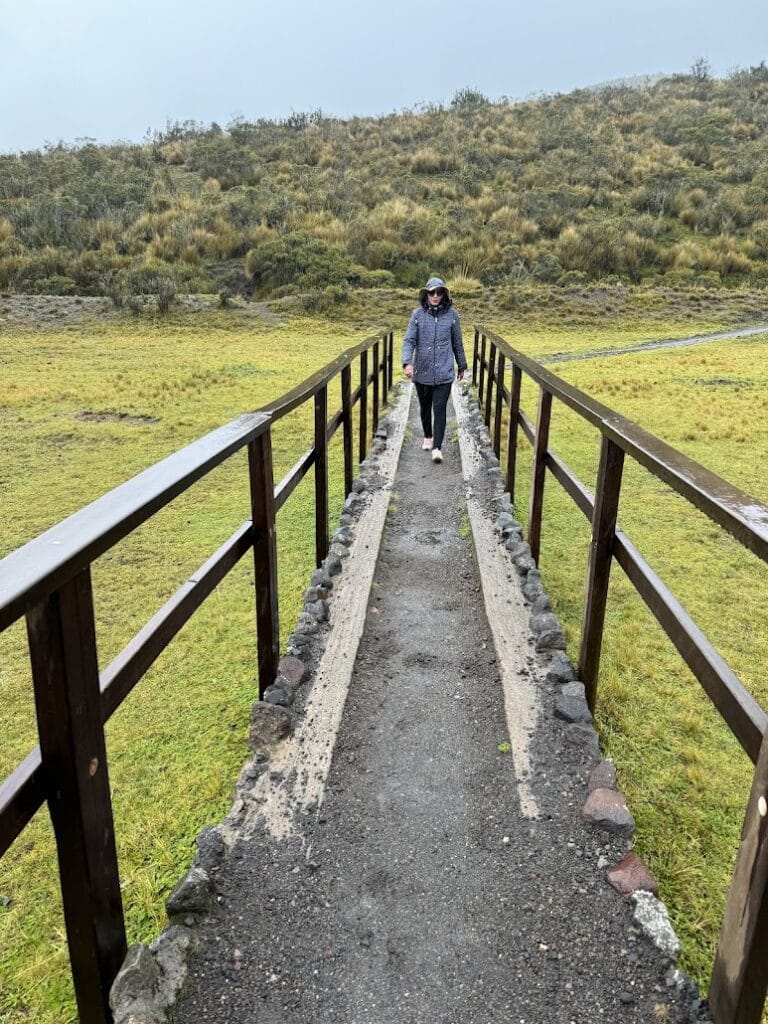
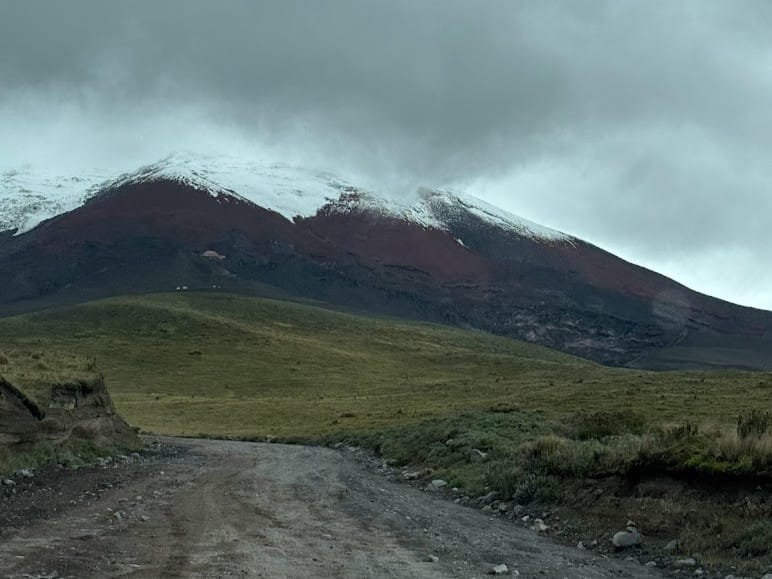
Quito, the Equator line, and a full day on the flank of an active volcano — páramo grassland, thin light, weather that changes while you watch it. This part isn’t filler before the islands. It’s what makes the islands survivable, and it happens to be the most beautiful high country most people will ever stand in.
The Islands
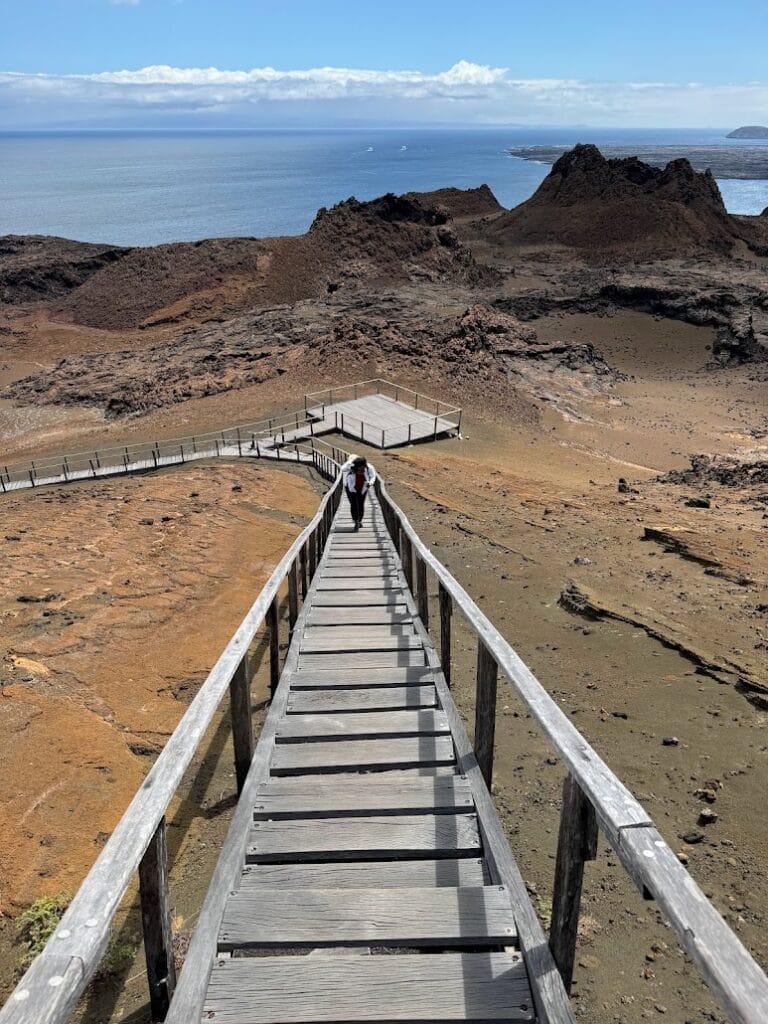
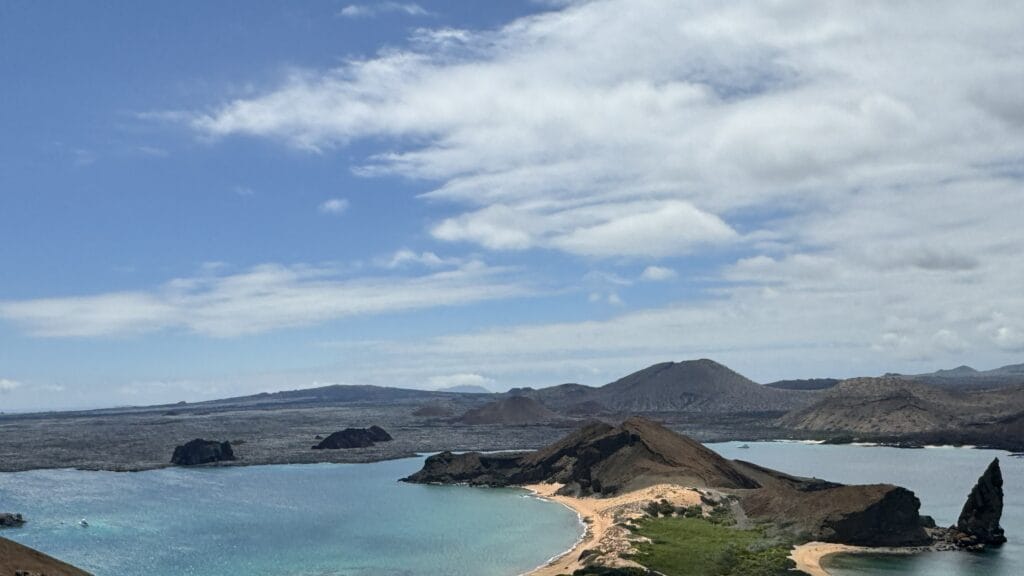
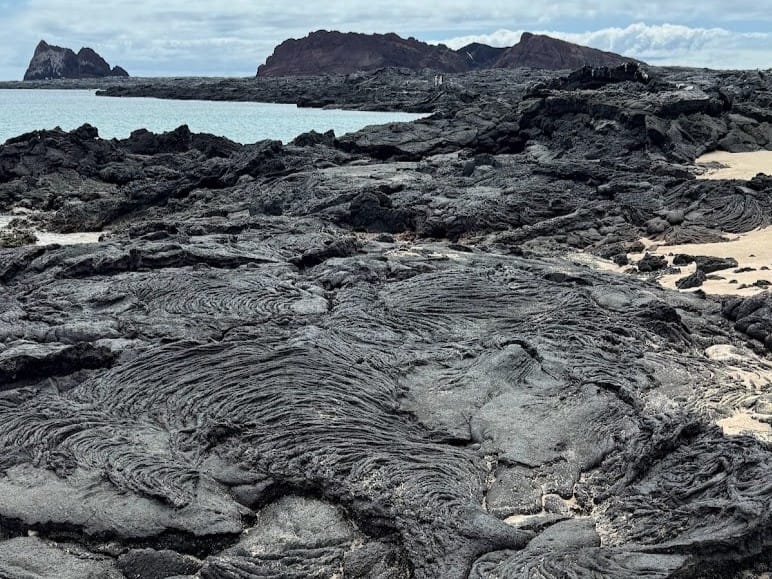
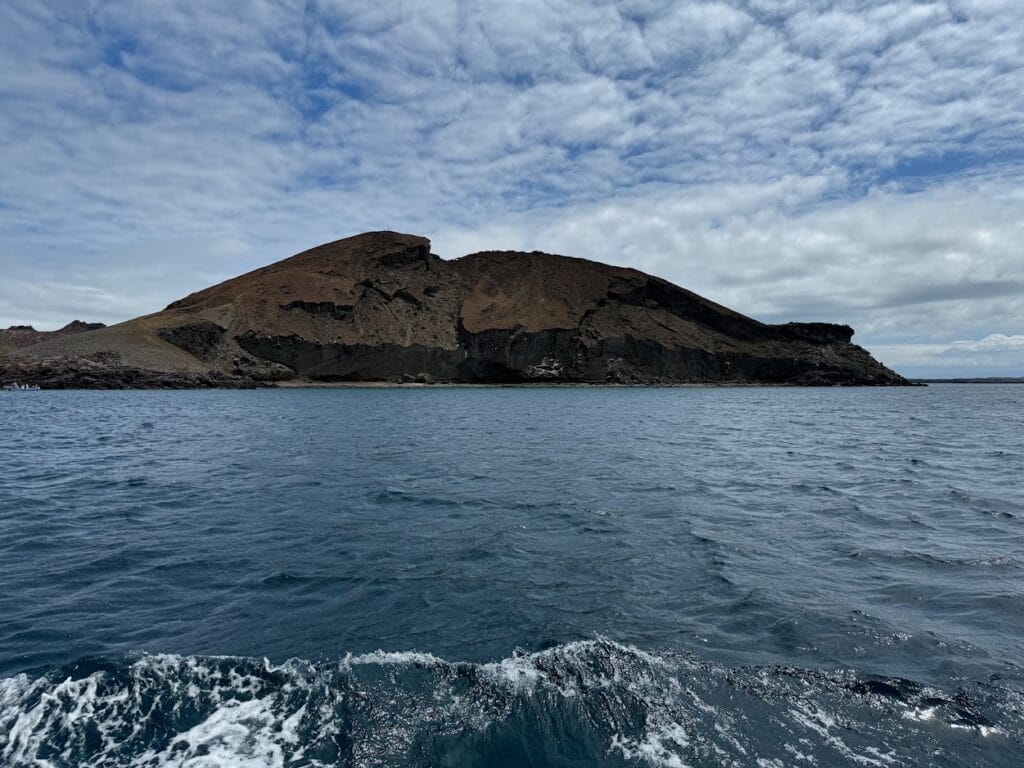
Bartolomé, South Plaza, the Santa Cruz highlands. Volcanic ground that looks like nowhere else on the planet — red, black, rust — with animals on it that have never learned to be afraid of people. Landings are by dinghy. The trails are lava. It asks something of you, and it gives back more than it asks.
The Water
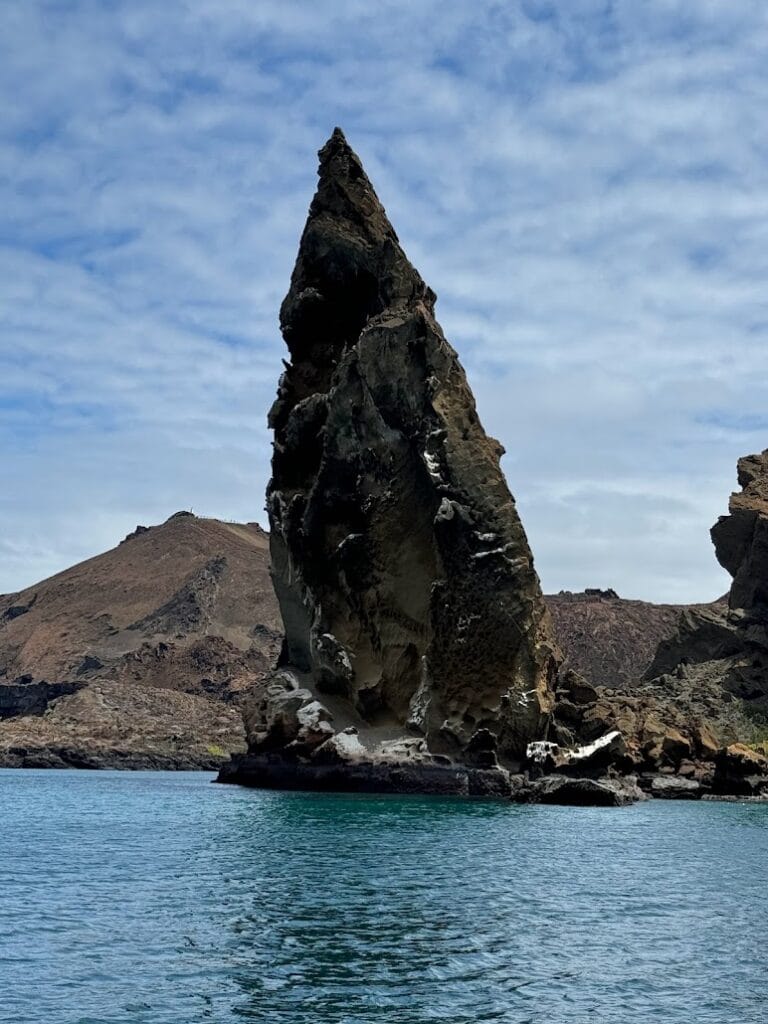
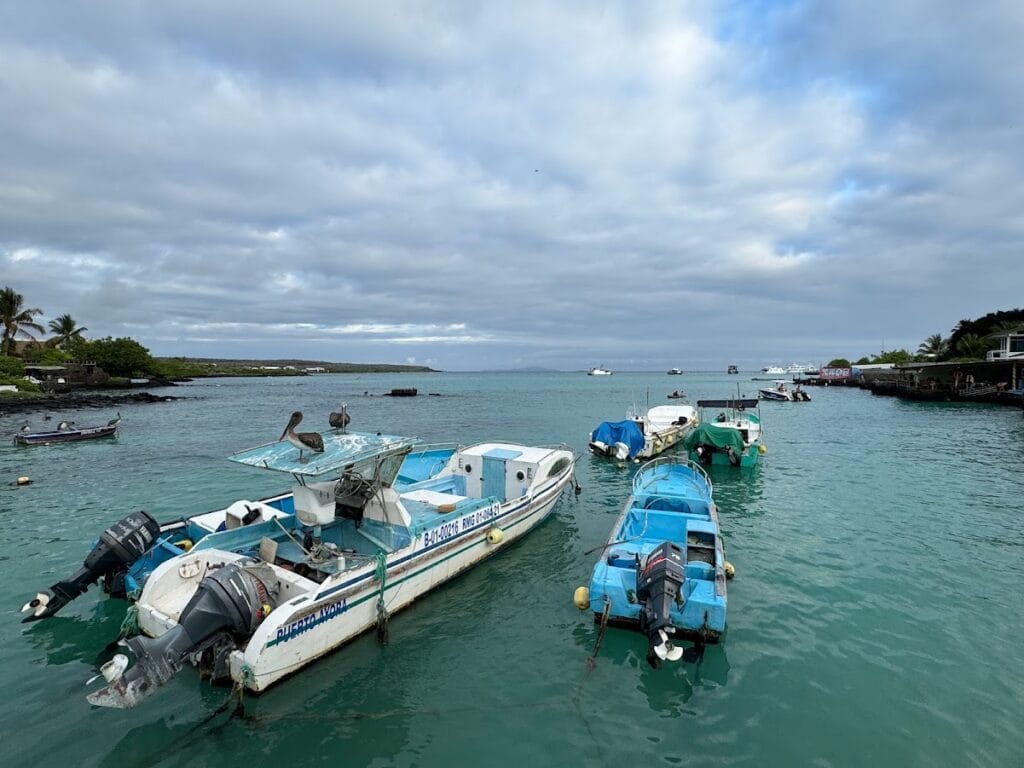
Out and back, most days, on a small boat. Turquoise shallows, open channels, a swell that has opinions. This is the rhythm of an island-based Galápagos — you leave early, you’re on the water by seven, and you come back to the same bed.
What we saw
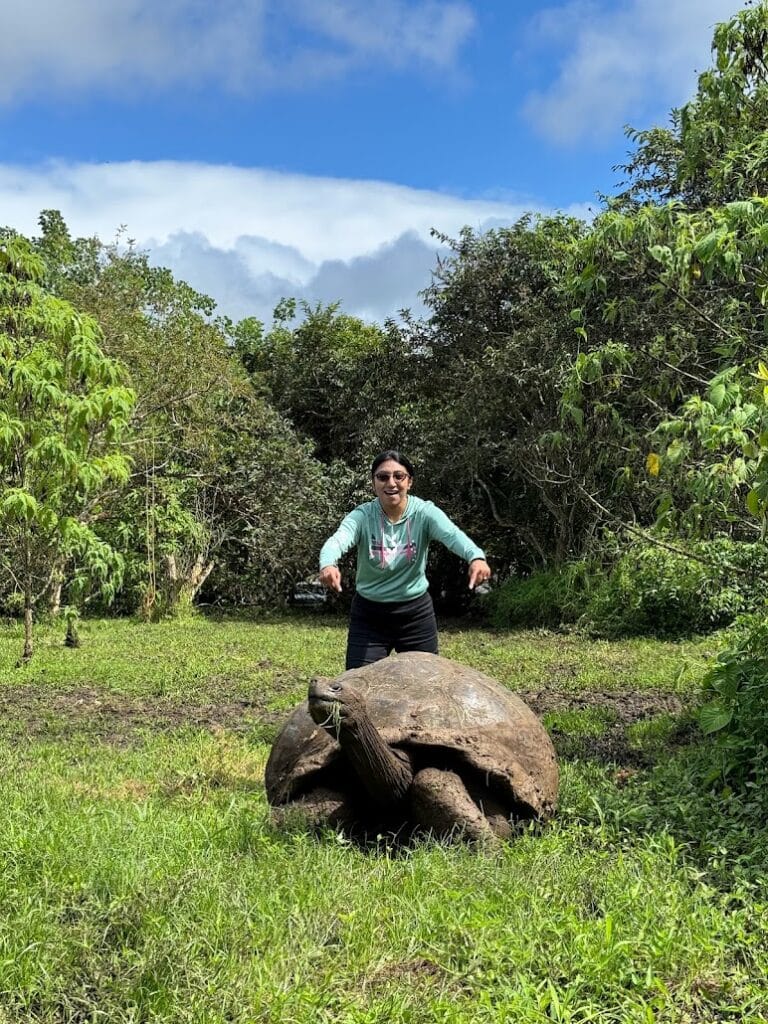
Every animal on this page is one we watched ourselves. None of them is a promise — that’s not how wildlife works.
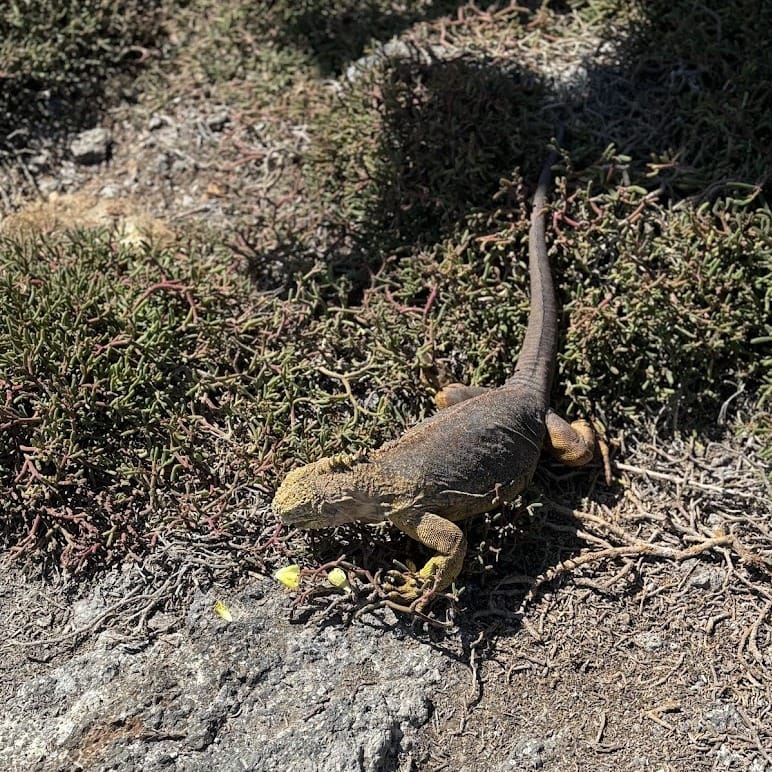
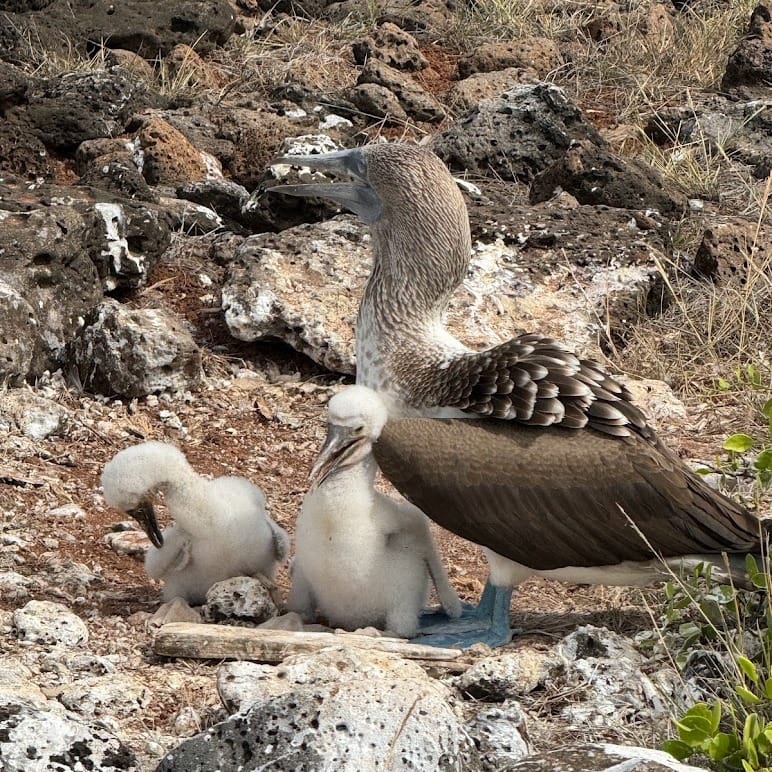
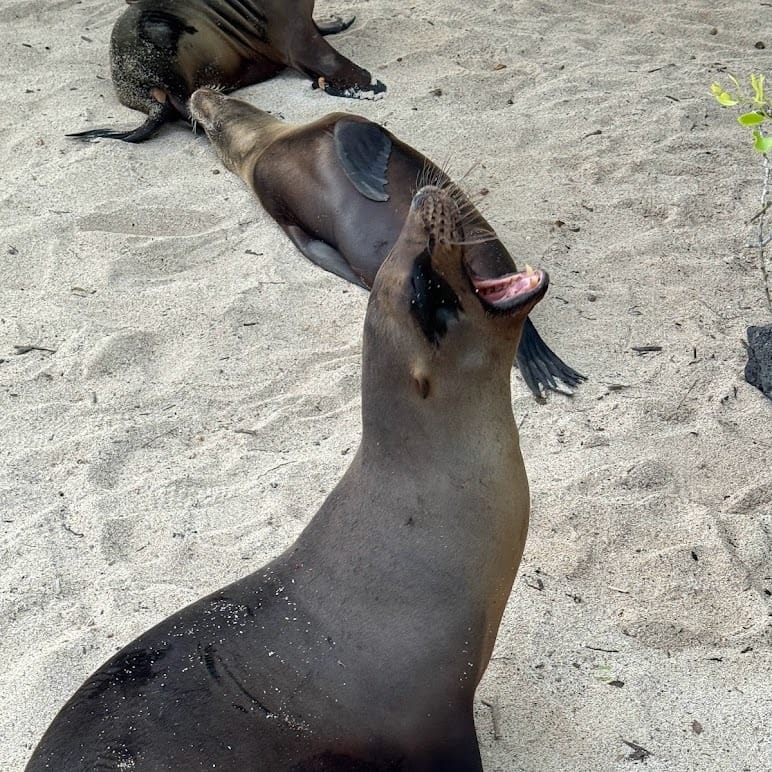
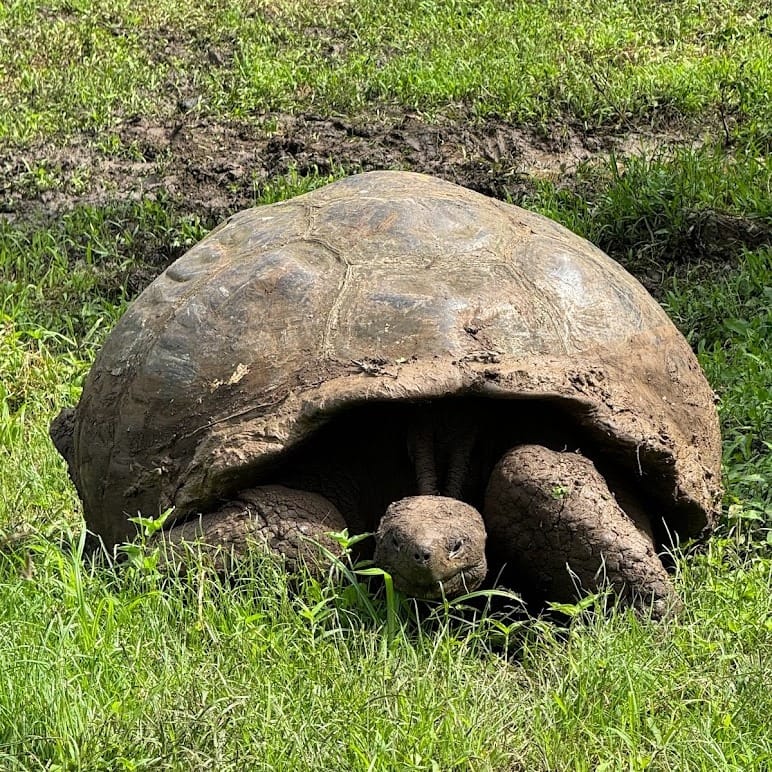
Wildlife strip, Ecuador & Galápagos page. Photographed by Milli Gupta, December 2023.
Honest Guidance
On timing, there is no right answer. December to June is warmer and wetter, with calmer seas. July to November is cooler and windier, and the water gets rougher. Neither is the good season — they’re a genuine trade-off, and anyone who tells you otherwise is telling you which one they’d rather sell. Milli went at Christmas, chosen around a family calendar rather than a weather chart, and would say plainly that the seas were kind and the light was not always.
The islands ask something of you physically. Landings are from a small boat, often onto wet rock. Trails are uneven lava. Day tours start early — a six-fifty meeting point is normal, a five o’clock pickup happens. If you are travelling with a knee, a hip, or a lung that has opinions, that is not a reason not to go. It is a reason to plan it with someone who will tell you the truth about which days are hard.
Bring cash. Cards are barely usable once you’re on the islands, and the National Park fee is collected in cash on arrival. The amount has changed since Milli’s trip and will change again — she confirms the current figure with you before you travel rather than printing a number here that goes stale.
The luggage limit on the island flights is real, and there’s a biosecurity inspection at the gate. Organic material gets taken. Wooden souvenirs count as organic. People find this out at the gate.
Who it suits: anyone who wants to stand still and watch an animal decide you’re not interesting. Anyone who’d rather have one bed for five nights than five. Anyone who wants the highlands and the islands, and has the days to do both properly.
Who it doesn’t: anyone who needs to see every island — that’s a cruise, and Milli will tell you so and help you find the right person for it. Anyone who wants to land and go. Anyone for whom rough ground and early starts would turn nine days into an endurance test.
Tell us what you’re picturing. Not dates and a budget — the picture in your head. Milli will tell you honestly whether the Galápagos is the trip that matches it, and if it is, she’ll plan it around the way you actually travel.