Costa Rica, Planned Properly
Two weeks of research won’t tell you what a week on those roads will.
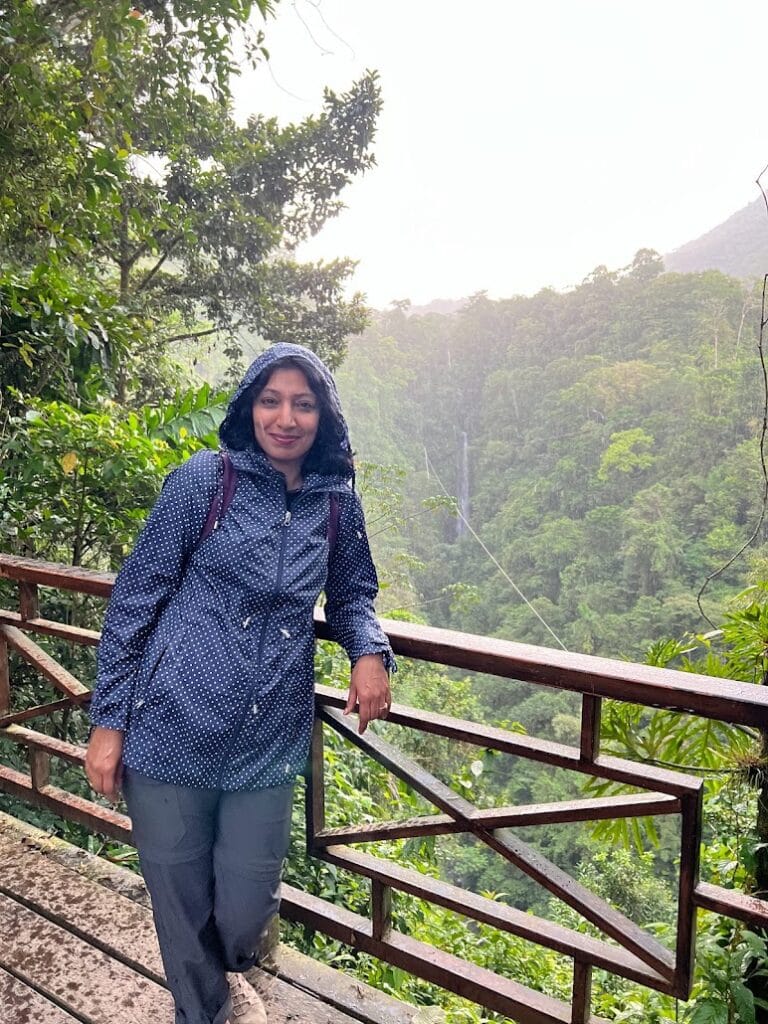
We took the family to Costa Rica over New Year’s — Monteverde’s cloud forest, then Arenal, then down to the Pacific coast at Manuel Antonio. It was a wonderful trip.
It was also, in hindsight, planned the way most people plan Costa Rica: four bases in seven nights, including one night in San José that existed for no reason other than the drive.
That’s not a regret. It’s the reason Milli plans it differently now.
The part nobody tell you
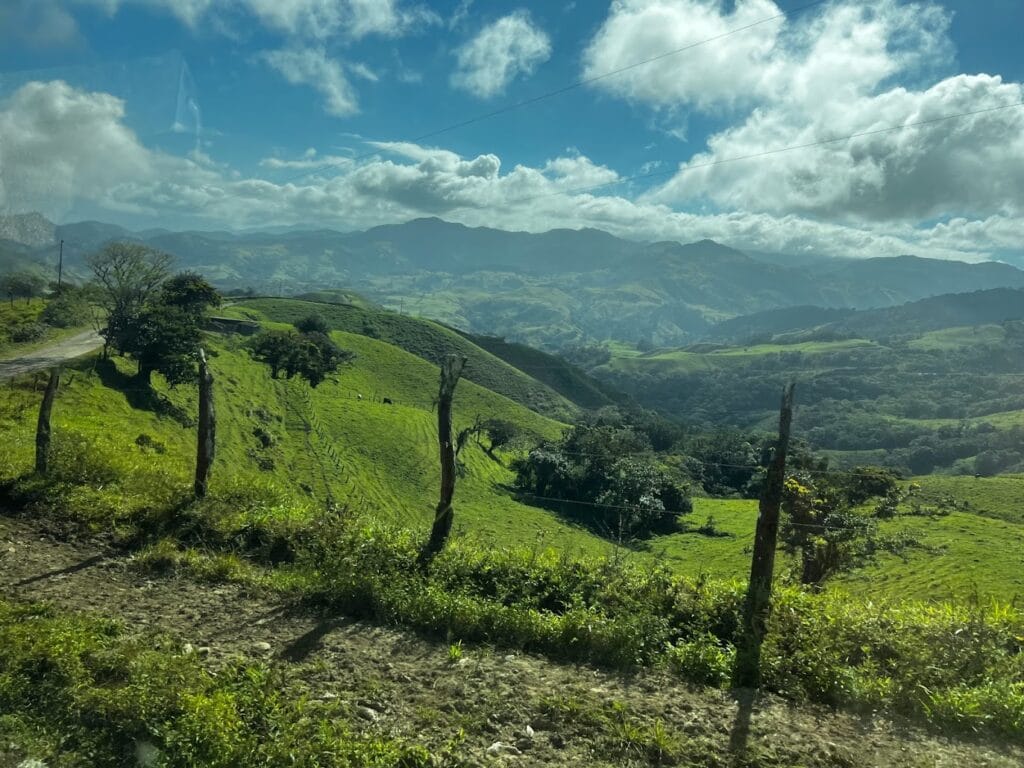
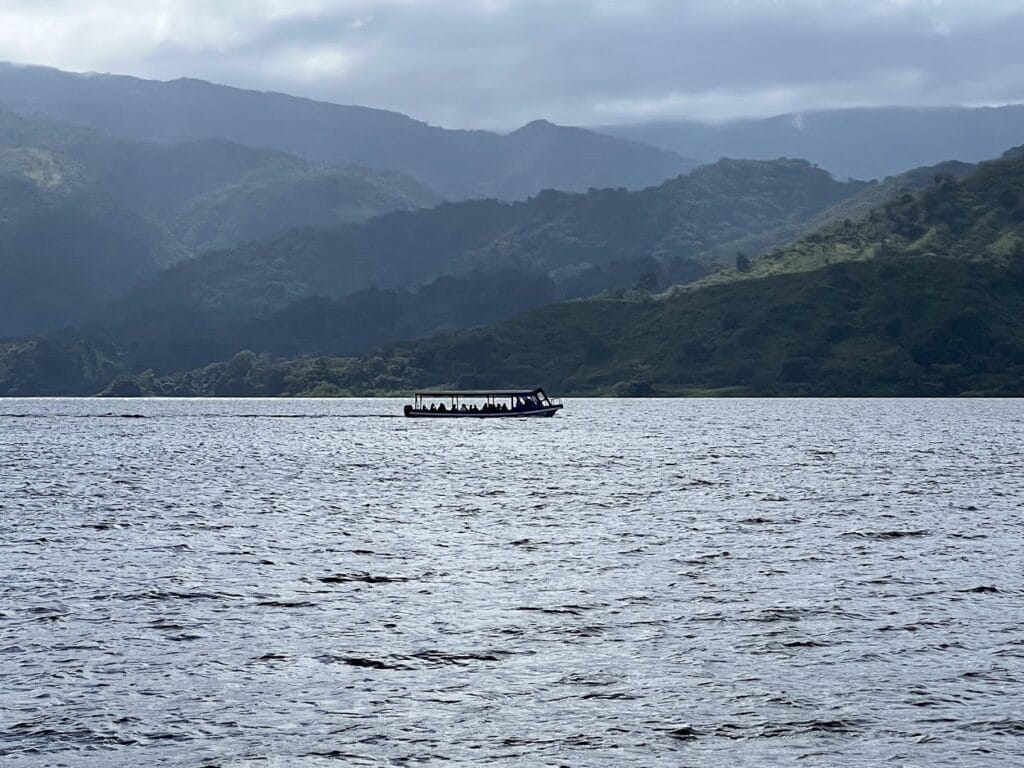
On a map, Costa Rica is small — roughly the size of West Virginia. On the ground it isn’t. The roads are mountain roads, distances are measured in hours, and a “three-hour” transfer is routinely five. The most common mistake in a self-planned trip is booking four or five regions into ten days and discovering the trip was mostly the van.
Second most common: eco-lodge. It isn’t a regulated term. Anyone can print it on a sign. There is a real national certification behind it — and there are properties with a leaf on the door and nothing behind it.
How Milli plans it
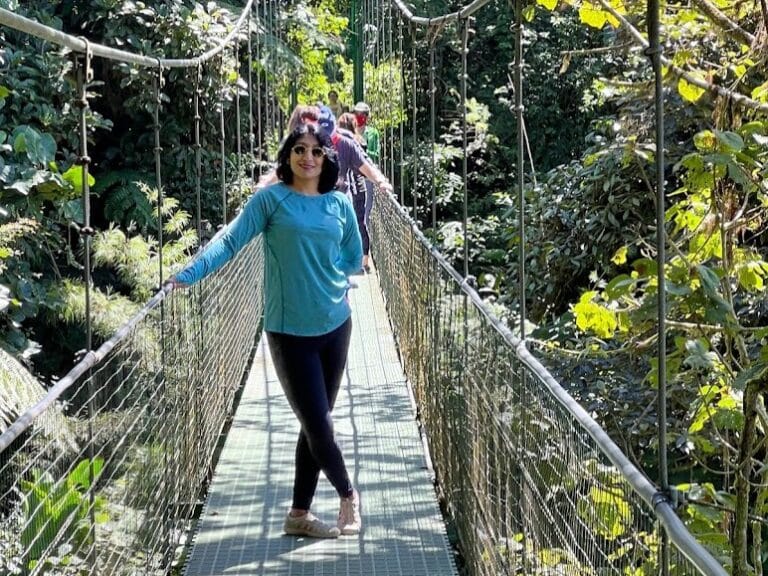
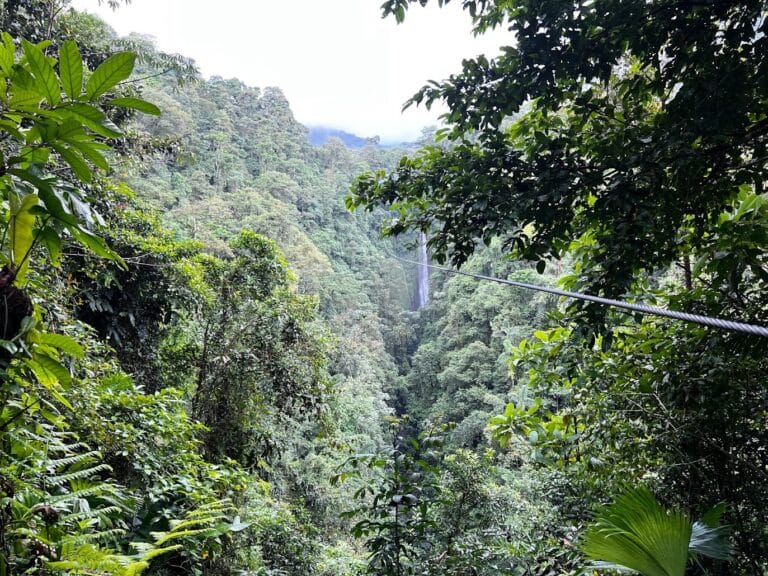
Fewer places, longer stays. Two regions, not four. Wildlife doesn’t perform on schedule — it shows up when you’ve been somewhere long enough to be out at dawn twice. The itinerary that looks less impressive on paper is the one you’ll remember.
The transfers are the itinerary. Where a domestic flight is worth the money, where the drive is genuinely part of the trip, and where a night exists only to break a drive — Milli decides that leg by leg. It’s the difference between seven nights and seven nights that count.
Every excursion has a fitness cost nobody quotes you. The walk to the base of the La Fortuna waterfall is 530 steps down and 530 back up. It’s beautiful. It is also not for everyone, and no booking site will say so before you’ve paid. Milli asks first.
What a journey can look like
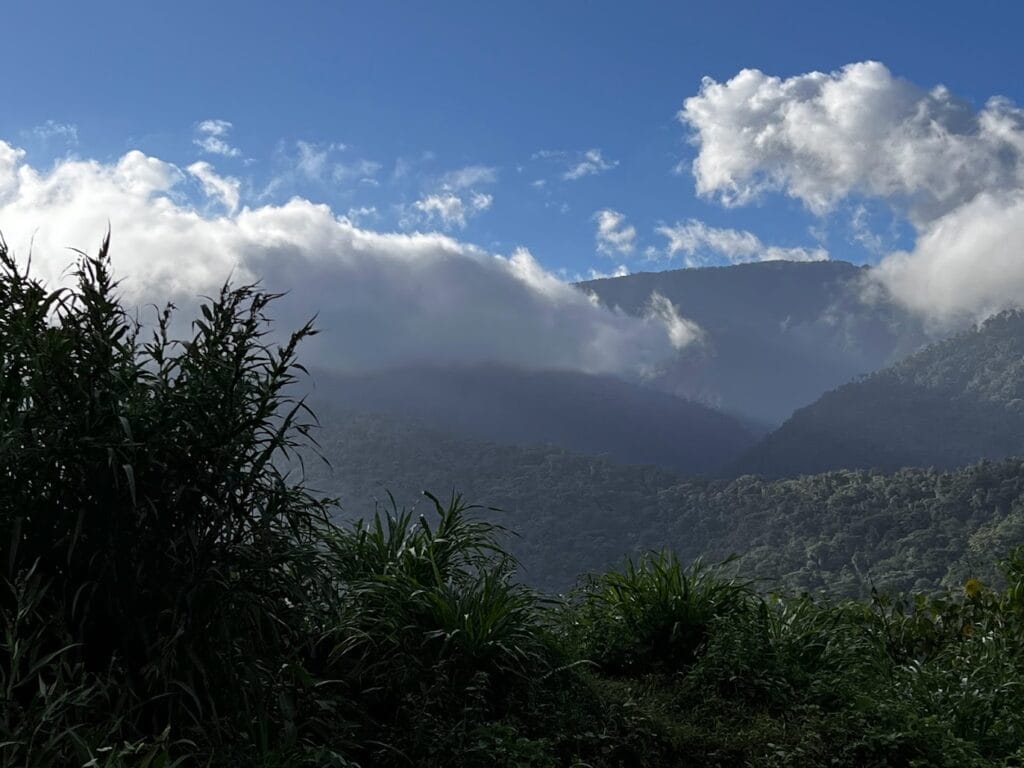
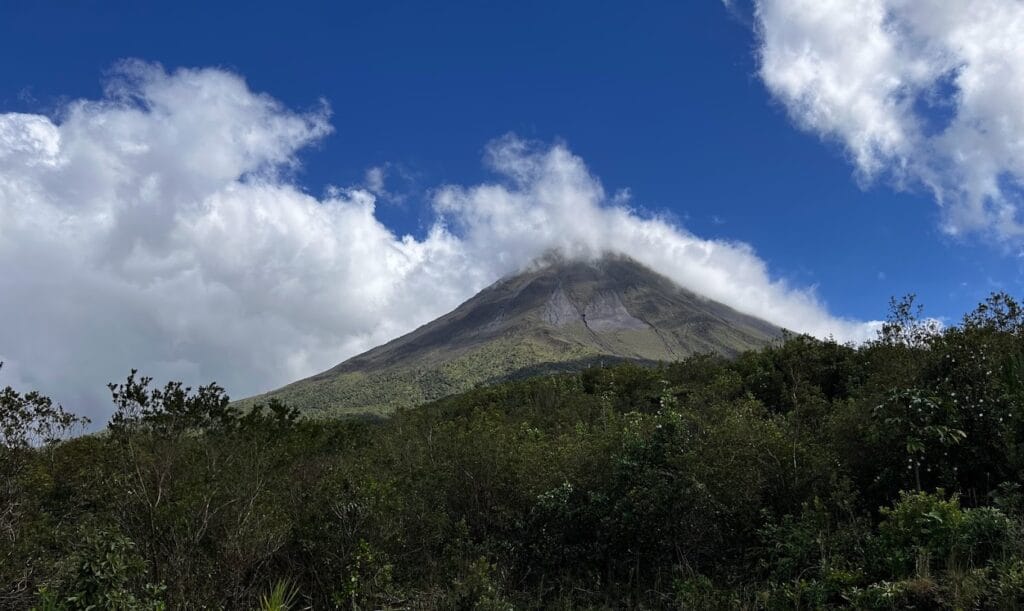
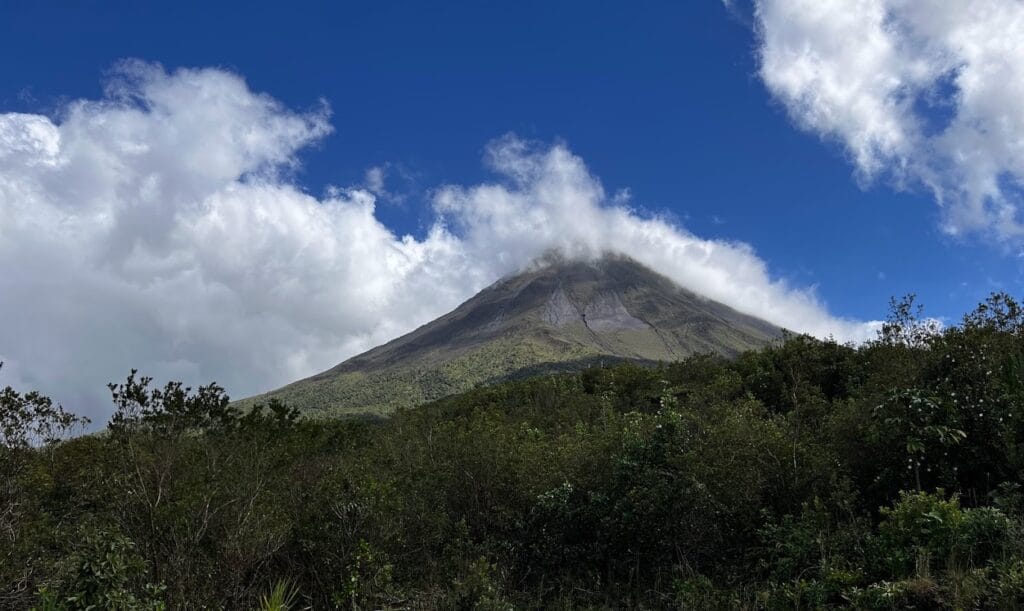
The classic pairing — highland forest where the cloud actually pours over the ridge, and the country’s most famous volcano — at a pace that leaves room for the mornings.
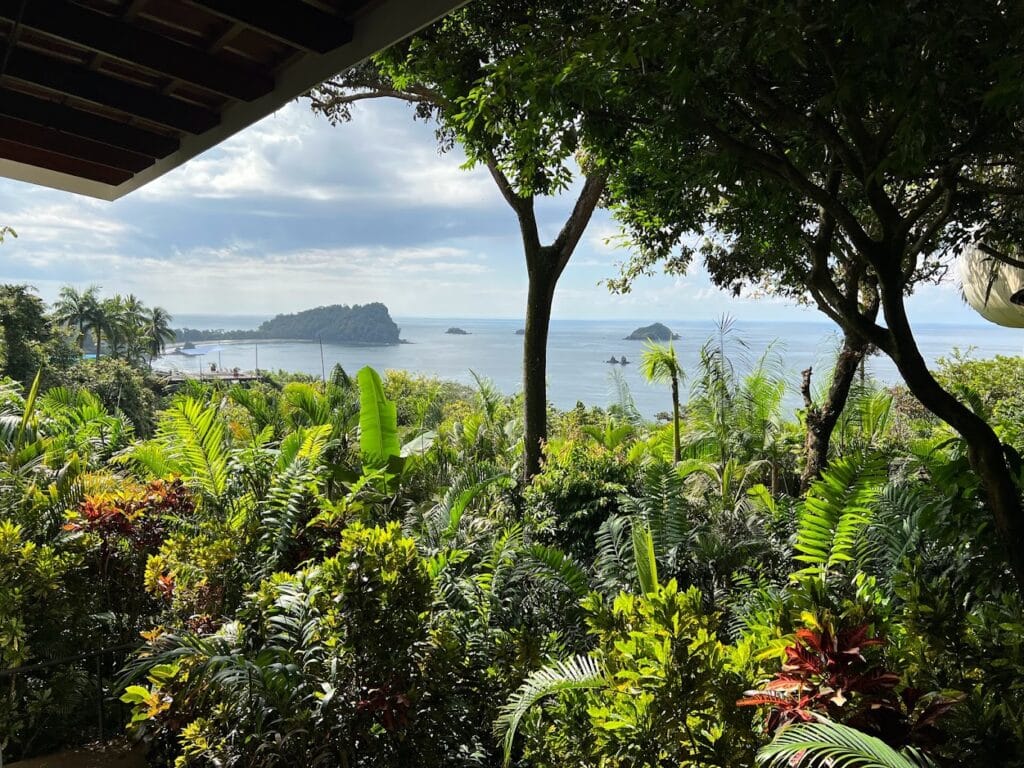
The Pacific side, where the rainforest runs straight into the sea and the wildlife is genuinely wild rather than habituated.
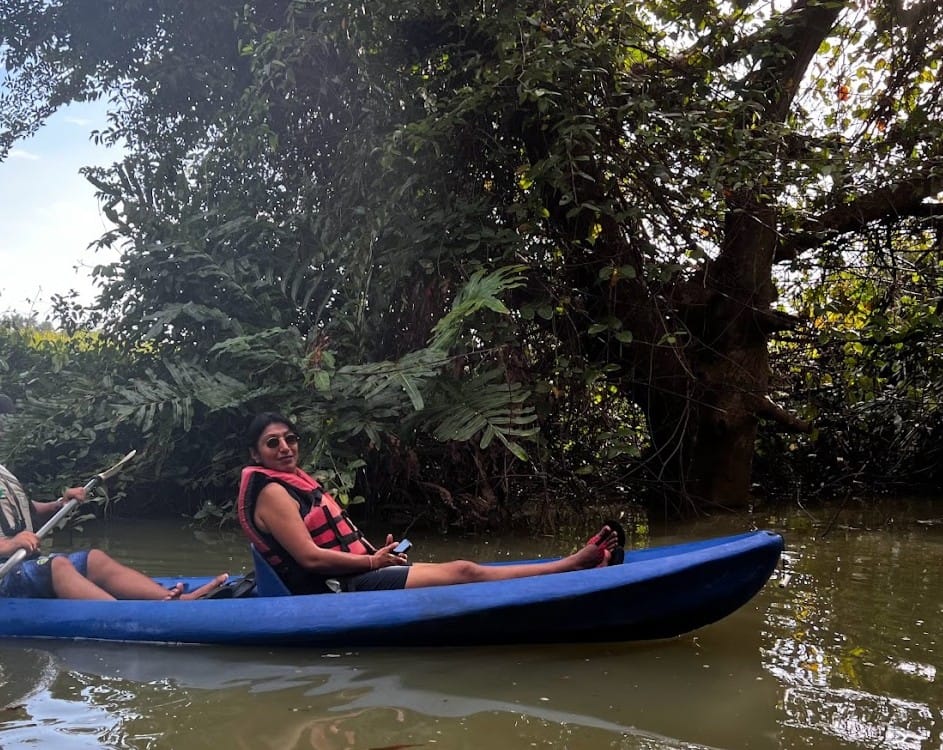
Mangrove estuaries, sloths overhead, and a pace that works for a nine-year-old and a seventy-year-old on the same day. Costa Rica does this better than almost anywhere — with planning.
Every journey is built around you. None of these are packages, and none of them are the version you’d get off a shelf.
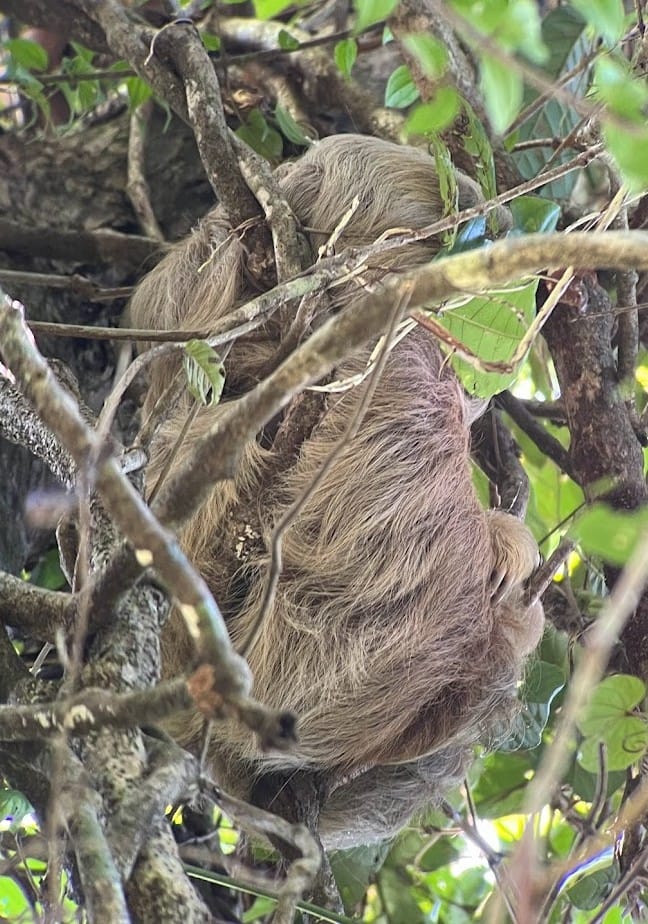
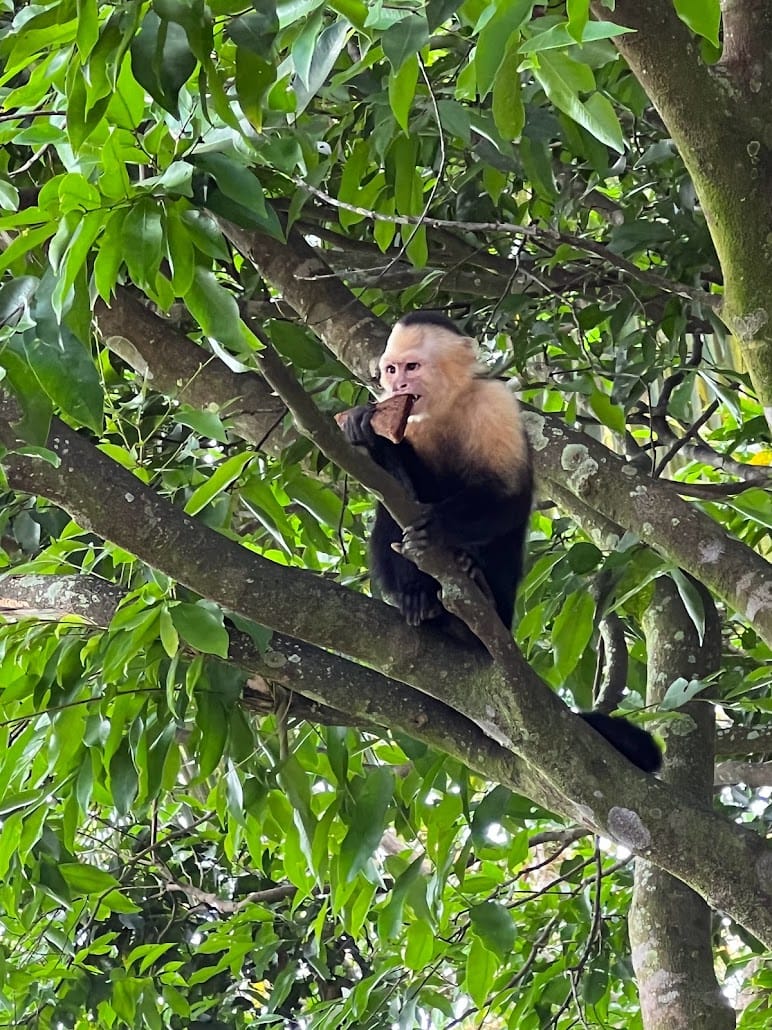
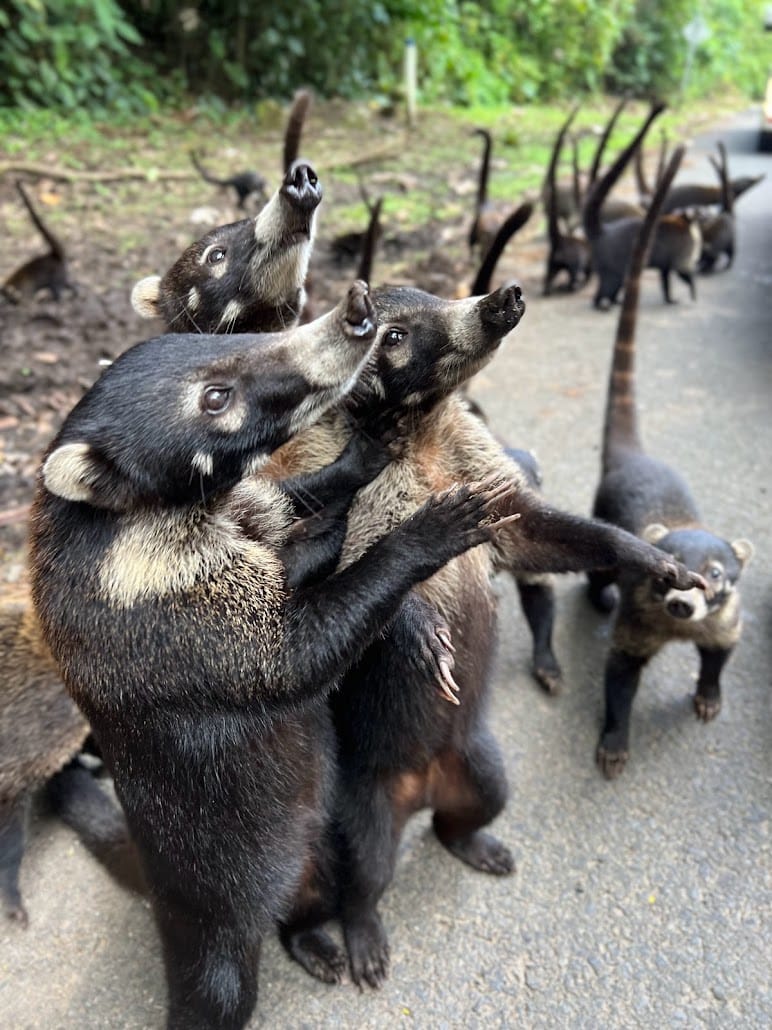
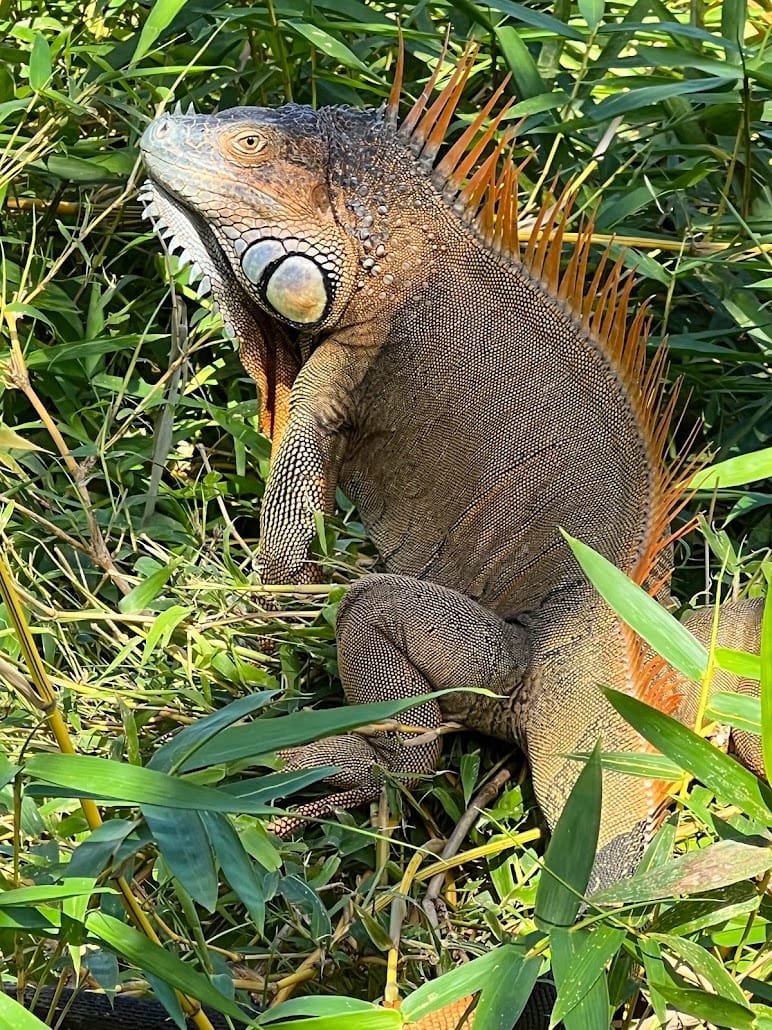
Every animal on this page is one we watched ourselves. None of them is a promise — that’s not how wildlife works.
Honest guidance
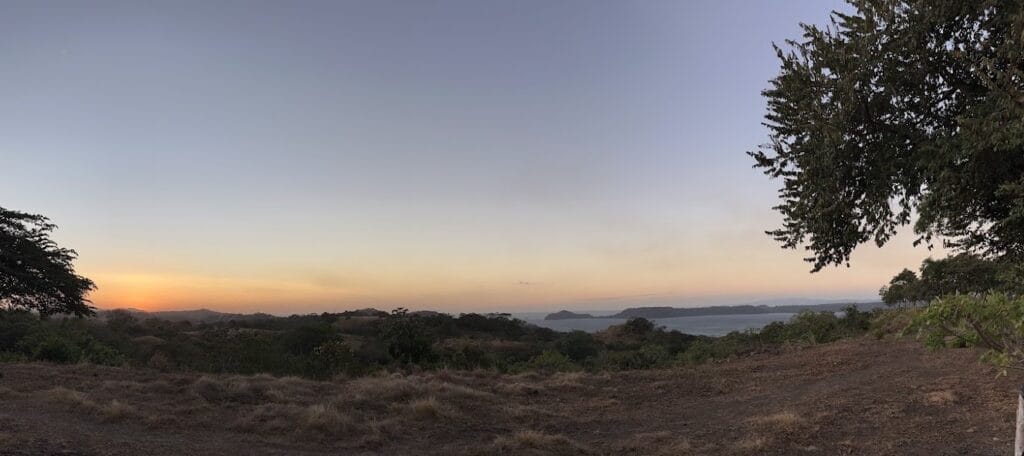
When to go. The dry season — roughly December through April — is the sunny, busy, expensive one, and the north looks like the photo above: gold, not green. The green season is quieter, cheaper, greener, and wetter, usually a morning-sun / afternoon-rain rhythm rather than a washout. For a lot of travelers the green season is simply the better trip.
On timing, honestly. We went at New Year’s — the busiest and priciest window of the year. It was the right call for our family’s calendar and the wrong one for the trip. Milli will tell you which of those two you’re actually optimizing for.
Who it suits. First-timers, families, and travelers who want real wildlife without a long-haul flight. Costa Rica doesn’t require toughness. It does reward planning.
What we won’t do. Sell you five regions in ten days because it sounds like more.
The Seven-Day Costa Rica Highlights